2026 Top LED Street Light Innovations and Technology Trends?
As urban landscapes evolve, the innovations in LED street light technology are reshaping our cities. According to Dr. Emily Chang, a leading expert in sustainable lighting solutions, “The future of urban lighting lies in advanced LED street light systems that prioritize efficiency and longevity.” This statement captures the essence of ongoing trends that focus on energy saving and enhanced visibility.
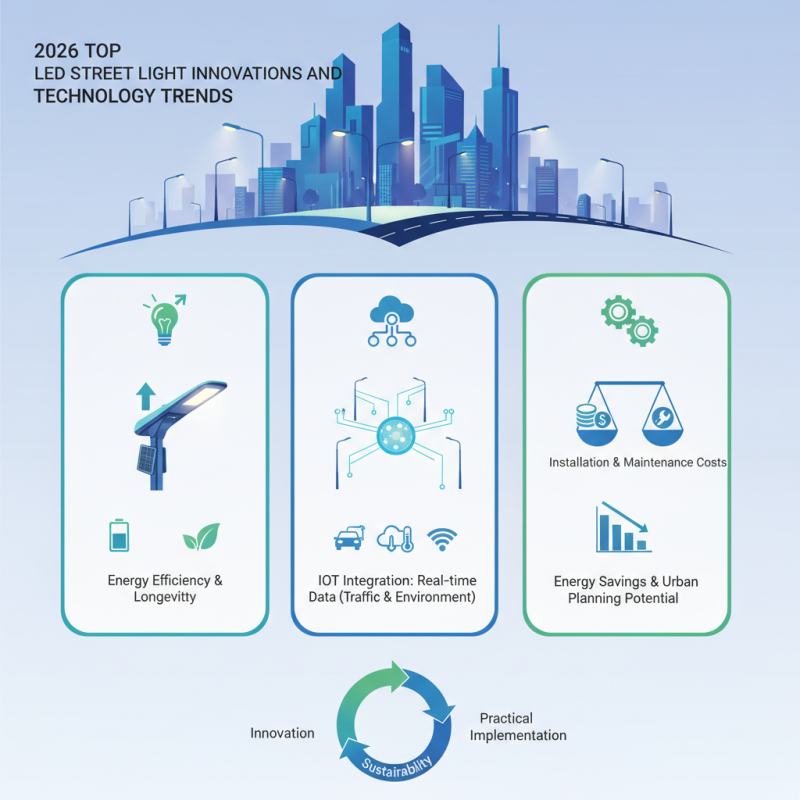
In 2026, we anticipate groundbreaking advancements that promise to change how cities illuminate their streets. New designs will enhance energy efficiency and offer smart features. Integration of IoT technology in LED street lights will provide real-time data about traffic and environment. Yet, these advancements necessitate careful consideration of installation costs and maintenance.
In the quest for sustainability, we observe a delicate balance between innovation and practical implementation. While smart LED street lights can reduce energy costs, municipalities must address the initial investment. Moving forward, cities must learn to navigate these challenges to fully realize the potential of LED street lights in urban planning.
Latest Advances in LED Technology for Street Lighting
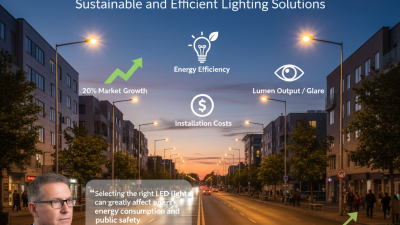
The latest advances in LED technology for street lighting are profound and significant. The global market for LED street lighting is projected to reach $17 billion by 2026, reflecting a robust CAGR of about 13%. Innovations such as smart LEDs and adaptive lighting systems are becoming prominent. These systems can adjust brightness based on the time of day and pedestrian activity. They not only enhance safety but also improve energy efficiency.
One exciting trend is the integration of IoT technology. Connected street lights can communicate with traffic systems, providing real-time data for city planners. Moreover, some systems use sensors to monitor air quality, offering more than just illumination. This multifunctionality can lead to more sustainable urban environments.
Tips: Consider implementing smart lighting in urban areas to maximize energy savings and enhance safety. Evaluate the costs versus benefits before transitioning to newer technologies. Regular maintenance is crucial for optimal performance; outdated systems may hinder potential innovations. The shift to LED is essential, but cities must also address operational challenges.
Smart Street Lights: Integration of IoT and Big Data
Smart street lights are revolutionizing urban infrastructure. They integrate IoT technology and big data to enhance efficiency. These systems collect real-time data on traffic and pedestrian patterns. This information helps city planners make informed decisions.
Incorporating sensors into street lights allows cities to monitor energy usage effectively. These lights adjust brightness based on the surrounding environment. They can save energy during late-night hours. However, the reliance on data raises concerns about privacy and security. Cities must address these issues to gain public trust.
Cities are also exploring analytics tools for deeper insights. Predictive models can optimize maintenance and reduce costs. Yet, the complexity of integrating these systems can lead to challenges. Some municipalities may struggle to adapt quickly to these innovations. Balancing technology benefits with community needs remains essential.
2026 Top LED Street Light Innovations and Technology Trends
| Feature |
Description |
Benefits |
Technology |
| Smart Sensors |
Integrated sensors for motion and environmental monitoring. |
Energy efficiency, improved safety, real-time data. |
IoT, AI |
| Remote Management |
Centralized control system for monitoring and maintenance. |
Reduced operational costs, proactive maintenance. |
Cloud Computing |
| Adaptive Lighting |
Lighting that adjusts based on ambient light and activity levels. |
Enhanced visibility, energy savings during low activity. |
Sensors, AI |
| Data Analytics |
Utilization of big data for traffic and pedestrian analytics. |
Optimized traffic flow, informed city planning. |
Big Data, Machine Learning |
| Solar Integration |
Solar-powered street lights that reduce grid reliance. |
Sustainability, reduced energy costs. |
Solar Panels, Battery Storage |
| Emergency Response |
Lights equipped with SOS signal and emergency alerts. |
Increased safety, quicker response times. |
IoT, Communication Networks |
Sustainability in LED Street Lighting: Energy Efficiency Trends
Sustainability in LED street lighting is a key focus in recent innovations. With cities seeking to reduce energy costs and carbon footprints, LED technology offers a viable solution. These lights consume less energy than traditional options, leading to lower electricity bills. However, the initial investment can deter some municipalities. It’s crucial to weigh the long-term savings against upfront costs.
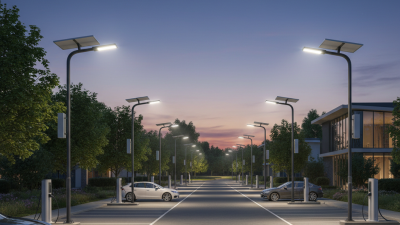
Make use of smart controls. These systems can adjust light levels based on real-time needs, enhancing energy efficiency. Another approach is to integrate solar panels. This can further reduce dependency on the grid. Such innovations not only help the environment but also promote local resilience.
One consideration arises with LED's lifespan. While they last longer than incandescent lights, improper disposal can lead to environmental issues. Understanding how to recycle these materials is essential. Municipalities must develop policies to manage this effectively. Balancing innovation with sustainability requires ongoing evaluation and adaptation.
Emerging Designs and Aesthetics in Street Light Innovations
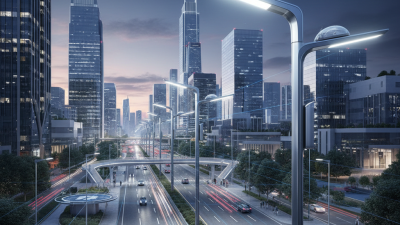
As cities evolve, so do their street lights. The future of street lighting is not just about illumination; it's about enhancing urban aesthetics. Designers are exploring new forms and materials to make street lights more visually appealing. This shift is crucial as cities aim for a harmonious blend of functionality and beauty.
Emerging trends include organic shapes and sleek lines that integrate with urban landscapes. Some lights mimic natural elements, like trees or flowing water, promoting a soothing environment. Additionally, technology plays a vital role. Smart features can adjust brightness based on pedestrian movement, ensuring safety while saving energy.
Despite these advancements, challenges persist. Balancing innovation with cost-effectiveness is a constant struggle. Not all designs are practical for diverse cities. Some may look great but function poorly in real-world scenarios. City planners must prioritize functionality while embracing creativity, ensuring that each design meets the community's needs.
Impact of LED Street Lighting on Urban Safety and Quality of Life
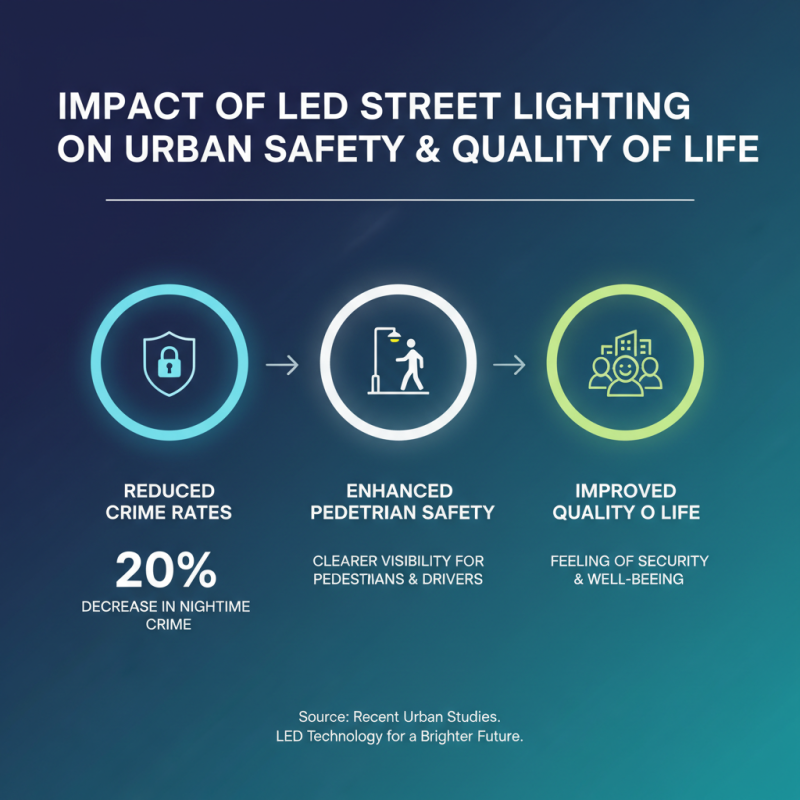
Urban lighting plays a crucial role in enhancing safety and quality of life. Recent studies show that well-illuminated streets reduce crime rates significantly. Research indicates a decrease in nighttime crime by up to 20% when LED street lights are installed. This lighting offers a clearer view for pedestrians and drivers, thus enhancing overall safety.
Improving visibility isn’t just about crime reduction. Good lighting contributes to a sense of security. Residents often feel safer walking at night in well-lit areas. A survey revealed that 75% of people prefer neighborhoods with brighter street lighting. Therefore, cities investing in LED technology are investing in community well-being.
**Tip:** Ensure your city’s lighting design incorporates bright, uniform light. This helps eliminate dark spots that could facilitate crime.
While LED street lights bring many advantages, they also have drawbacks. Some residents may complain about light pollution, which can disrupt sleep patterns. This is a valid concern that urban planners must address. Balancing safety with the need for darkness is crucial in design.
**Tip:** Incorporate smart technology that adjusts brightness based on real-time conditions. This can reduce disturbances while maintaining safety.