Top 10 Benefits of LED Explosion Proof Lighting for Industrial Safety
In today's industrial landscape, safety remains a top priority, particularly in environments where flammable gases and volatile substances are present.
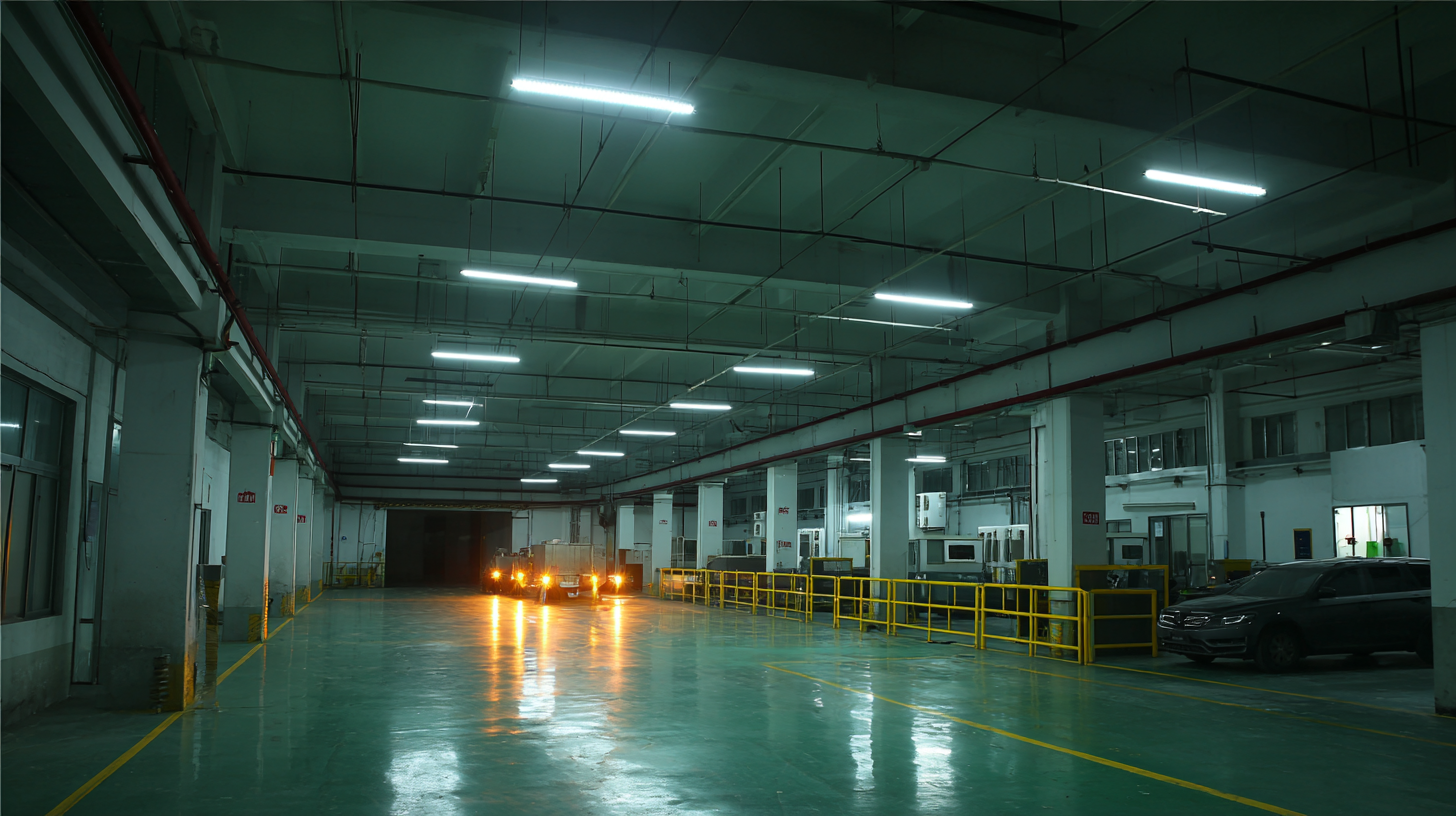 LED explosion proof lighting has emerged as a crucial component in enhancing workplace safety while also providing energy-efficient solutions.
According to a report by the National Fire Protection Association (NFPA), over 20% of industrial fires are caused by electrical equipment failures, underscoring the necessity for advanced lighting solutions that minimize these risks.
LED explosion proof lighting has emerged as a crucial component in enhancing workplace safety while also providing energy-efficient solutions.
According to a report by the National Fire Protection Association (NFPA), over 20% of industrial fires are caused by electrical equipment failures, underscoring the necessity for advanced lighting solutions that minimize these risks.
Industry expert Dr. Sam Wilson, a leading authority in industrial safety technologies, emphasizes the importance of adopting LED explosion proof lighting by stating,
"Implementing the right lighting system can significantly reduce the likelihood of ignition sources in hazardous environments."
This statement highlights the vital role that these specialized lighting systems play in maintaining safety standards across various industries, including oil and gas, chemical manufacturing, and mining.
The benefits of LED explosion proof lighting extend beyond safety; they also encompass cost savings, longevity, and improved visibility.
As industries continue to evolve, the integration of such advanced lighting solutions is essential for promoting safe practices and ensuring compliance with regulatory standards,
ultimately fostering a safer work environment.
Advantages of LED Explosion Proof Lighting in Hazardous Environments
In hazardous environments, the adoption of LED explosion-proof lighting significantly enhances industrial safety. These lights not only withstand harsh conditions but also offer superior luminosity, which is crucial for visibility in potentially dangerous areas. According to a recent market analysis, the hazardous location lighting market is expected to witness substantial growth, with a projected revenue increase from USD 2.5 billion in 2023 to over USD 4 billion by 2033, reflecting an increasing reliance on advanced lighting technologies in industrial applications.
The advantages of LED explosion-proof lighting are particularly evident in sectors such as mining and petrochemicals, where traditional lighting may pose risks of ignition or mechanical failure. LED lights consume less energy and reduce heat emissions, minimizing the risk of sparks in flammable environments. Furthermore, the longevity of LED solutions—often exceeding 50,000 hours—reduces maintenance costs and downtime. Reports indicate that companies are increasingly drawn to LED systems for their ability to improve operational efficiency while maintaining rigorous safety standards in compliance with regulations. This shift not only ensures safer working conditions but also highlights the role of innovative lighting intelligence in driving industrial advancements.
Top 10 Benefits of LED Explosion Proof Lighting for Industrial Safety
Enhanced Durability and Longevity of LED Lighting Solutions
The enhanced durability and longevity of LED lighting solutions are pivotal benefits for industrial safety, particularly in hazardous environments. Recent innovations unveiled at the 30th Guangzhou International Lighting Exhibition (GILE 2025) highlight the significant advancements being made in this arena. With a lifespan that can exceed 50,000 hours, LED lights not only reduce the frequency of replacements but also minimize the risks associated with maintenance in unsafe conditions. This is especially important in industrial sectors where downtime can be costly and dangerous.
Recent market analyses, such as the Saudi Arabia LED Lights Forecast Report for 2025, underline this trend, projecting that the demand for durable LED lighting will continue to rise, driven by energy conservation needs and infrastructure projects. Moreover, the integration of smart technology in lighting systems is expected to enhance operational efficiency and safety. As industries adopt robust LED solutions, particularly in mining and manufacturing, they are likely to see reductions in energy consumption and increased safety for workers, reaffirming the vital role of LED technology in modern industrial applications.
Energy Efficiency and Cost Savings with LED Technology
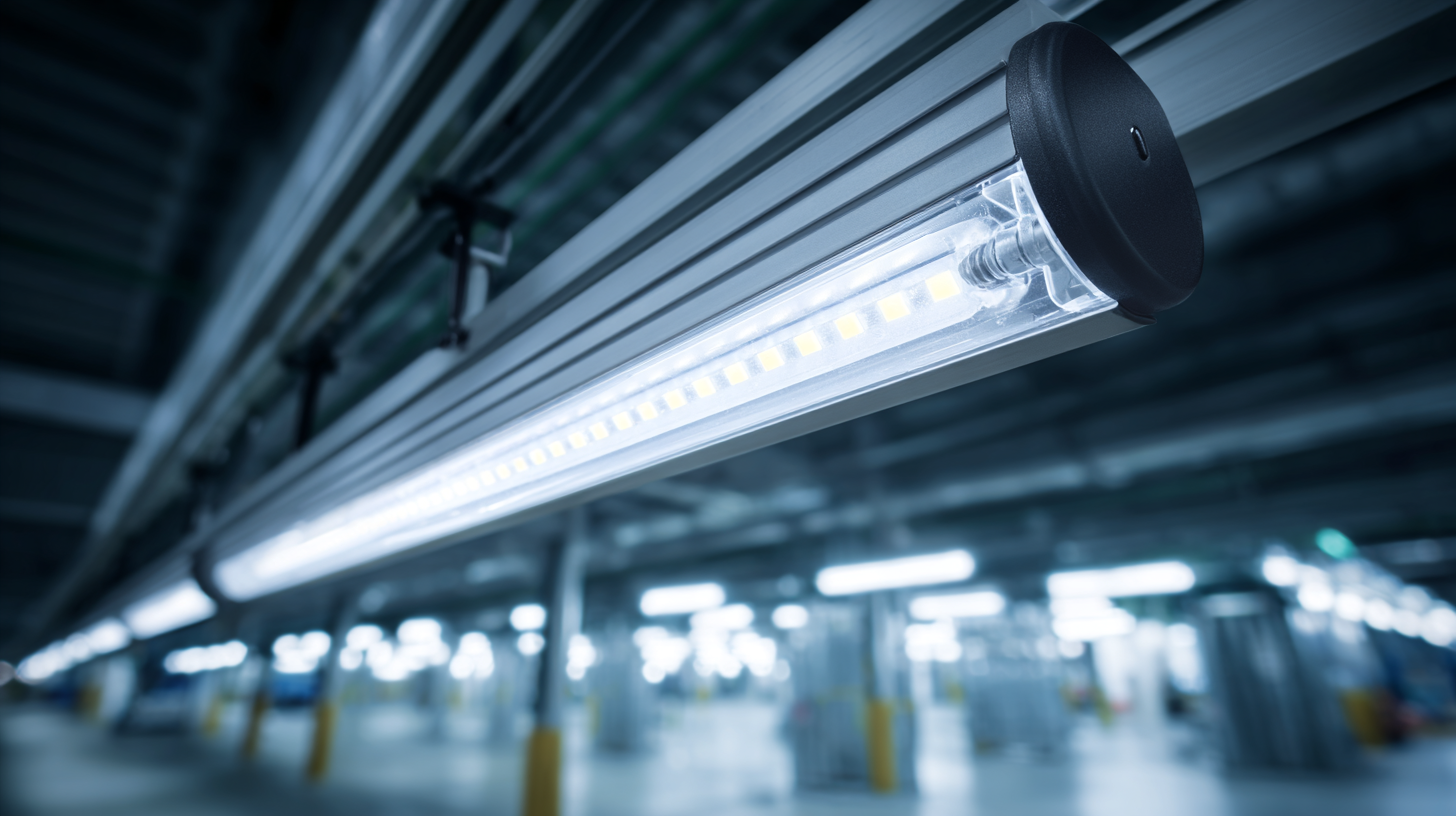 The shift towards LED explosion-proof lighting in industrial settings signifies a major advancement in energy efficiency and cost savings. Traditional lighting systems often consume excessive energy, leading to inflated electricity bills and increased maintenance costs due to shorter lifespans. In contrast, LED lights use significantly less power while offering a longer operational life, reducing both energy expenditure and the frequency of replacements. This not only translates to lower utility costs but also minimizes the operational downtime associated with changing out bulbs and fixtures.
Moreover, the durability of LED technology enhances overall safety in potentially hazardous work environments. They generate less heat compared to conventional lighting, thereby lowering the risk of accidental ignitions in explosive atmospheres. Additionally, many LED fixtures are designed with tough, shatter-resistant materials that enhance their lifespan and reliability. This combination of energy efficiency, cost savings, and enhanced safety makes LED explosion-proof lighting an invaluable investment for industries looking to improve their operational efficiency and maintain compliance with safety standards.
Improved Visibility and Reduced Accident Risk in Industrial Settings
In industrial settings, safety is paramount, and visibility plays a crucial role in preventing accidents. LED explosion-proof lighting offers significant improvements in visibility, which is essential for maintaining a safe working environment. According to the National Safety Council, workplace accidents that can potentially be mitigated by better lighting conditions account for over 25% of all incidents. By adopting LED explosion-proof lights, industries can increase illumination quality and reduce dark areas where dangerous situations can arise.
Moreover, LED explosion-proof lighting not only enhances visibility but also minimizes accident risks associated with poor lighting. The Occupational Safety and Health Administration (OSHA) emphasizes the importance of adequate lighting in hazardous locations; areas that are poorly lit may lead to an increase in slips, trips, and falls. Research shows that workplaces with effective lighting improvements have seen a reduction in incident rates by up to 30%. By implementing LED technology, industries can significantly enhance safety measures, ensuring that workers are protected from potential hazards.
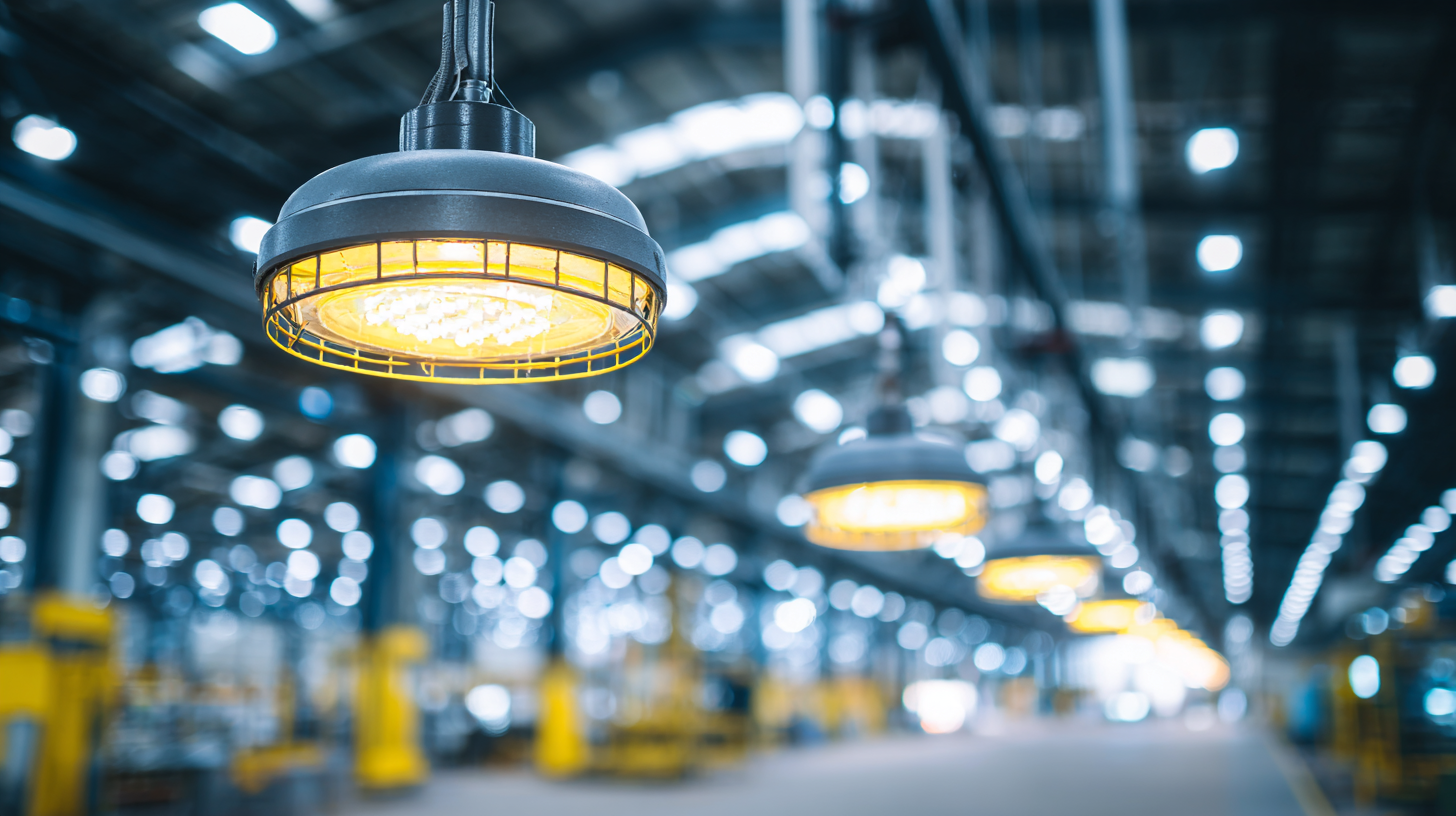
Compliance with Safety Regulations through LED Installations
LED explosion-proof lighting is a critical aspect of industrial safety, particularly in environments that are susceptible to hazardous materials. The implementation of LED lighting systems can significantly enhance compliance with safety regulations, ensuring that installations meet both local and international standards. Recent discussions by the Association of Municipal Electricity Utilities emphasize the importance of adhering to safety standards, illustrating the necessity of diligence in facility management to avoid compliance gaps that could jeopardize operational safety.
By integrating LED lighting, industries not only benefit from energy efficiency and longevity but also enhance their adherence to required safety protocols. Compliance with safety regulations often involves rigorous checks and certifications, and LED installations, when done correctly, can streamline this process. Facilities management that uses data-led strategies can further bolster compliance efforts, creating a reliable framework for ongoing safety evaluations and audits. This proactive approach minimizes risks and promotes a culture of safety within the industrial sector, aligning with broader safety reforms and emerging regulations.