Top 10 Benefits of LED High Bay Lights for Industrial and Commercial Spaces
The adoption of LED high bay lights has become a pivotal transformation in the industrial and commercial lighting landscape, bringing numerous advantages to a variety of settings. As reported by the U.S. Department of Energy, LED lighting technologies can achieve energy savings of up to 75% compared to traditional lighting solutions, making them increasingly favorable for warehouses, manufacturing facilities, and retail spaces. The benefits go beyond mere energy efficiency: LED high bay lights offer longer lifespans, superior light quality, and reduced maintenance costs, which are crucial in environments that rely on consistent and reliable illumination.
In addition to energy efficiency, it is noteworthy that LED high bay lights provide enhanced visibility and safety in workspaces. According to a study published by the Illuminating Engineering Society, well-lit environments can improve productivity and decrease accident rates, particularly in industrial settings where optimal lighting is essential for precision work. The shift towards LED technology not only aligns with sustainability goals but also promotes a more productive and safer working atmosphere. Consequently, understanding the top benefits of LED high bay lights can facilitate informed decisions for businesses looking to optimize their operations and reduce overhead costs.
Advantages of Energy Efficiency in LED High Bay Lighting
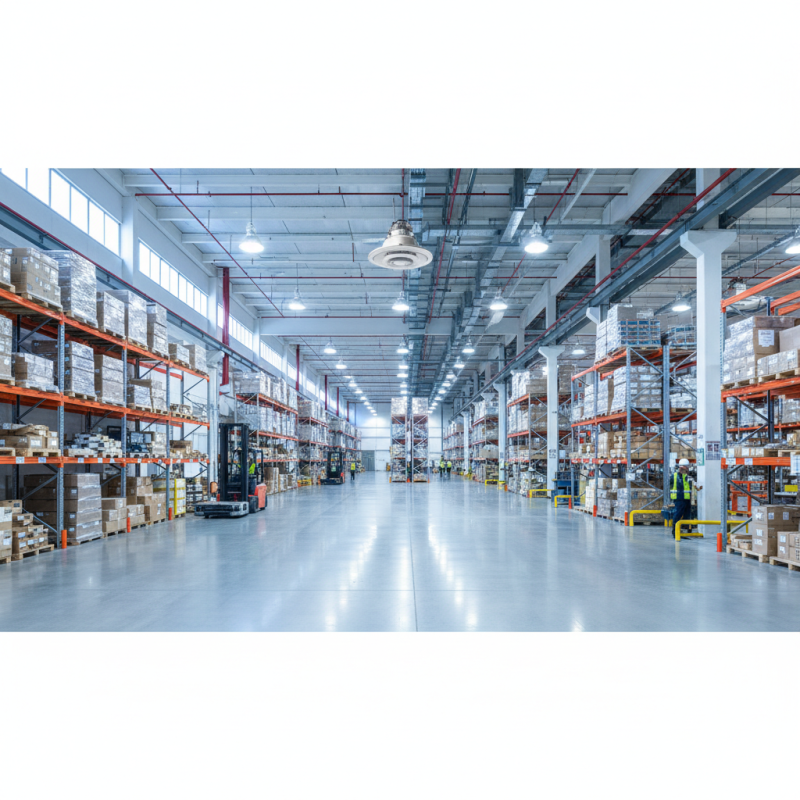
LED high bay lights have rapidly gained popularity in industrial and commercial spaces due to their remarkable energy efficiency. One of the primary advantages of these lighting systems is their ability to significantly reduce electricity consumption compared to traditional lighting solutions. This efficiency translates to lower utility bills, allowing businesses to allocate saved resources towards other operational needs. Additionally, LED technology requires less energy to produce the same amount of light, providing a brighter and more effective illumination while consuming less power.
Moreover, LED high bay lights typically have an extended lifespan, which further enhances their cost-effectiveness. With lifetimes often exceeding 50,000 hours, businesses experience fewer replacements and maintenance costs, leading to reduced downtime during maintenance events. This longevity, combined with their energy-saving capabilities, makes LED high bay lights an intelligent investment for any industrial or commercial setting. Beyond financial benefits, using energy-efficient lighting contributes positively to environmental sustainability by reducing overall energy demand and greenhouse gas emissions, aligning with the growing emphasis on eco-friendly practices in the business world.
Enhanced Durability and Longevity of LED High Bay Fixtures
LED high bay lights have gained significant popularity in industrial and commercial spaces due to their enhanced durability and longevity. Unlike traditional lighting solutions, LED fixtures can withstand the rigors of harsh environments, making them ideal for warehouses, factories, and large retail spaces. According to a report from the Department of Energy, LED lights have an average lifespan of 25,000 to 50,000 hours, significantly outlasting fluorescent and metal halide options, which typically last between 10,000 and 20,000 hours. This longevity translates into fewer replacements and lower maintenance costs, allowing businesses to allocate resources more efficiently.
In addition to their impressive lifespan, LED high bay fixtures exhibit robust construction that resists shock, vibration, and temperature fluctuations. A study from the Illuminating Engineering Society highlights that LEDs are less susceptible to damage from physical impacts compared to traditional bulbs. This characteristic not only reduces the risk of failure in challenging industrial environments but also contributes to workplace safety by minimizing the likelihood of lighting outages. By investing in LED high bay lighting, companies can ensure that their operations run smoothly while also enhancing overall energy efficiency. With the potential to provide significant savings on both energy bills and replacement costs, the adoption of LED technology in commercial lighting proves to be a smart choice for forward-thinking enterprises.
Top 10 Benefits of LED High Bay Lights for Industrial and Commercial Spaces
This bar chart illustrates the top benefits of using LED high bay lights in industrial and commercial settings, highlighting aspects such as energy efficiency, longevity, and enhanced lighting quality.
Improved Light Quality and Visibility in Workspaces
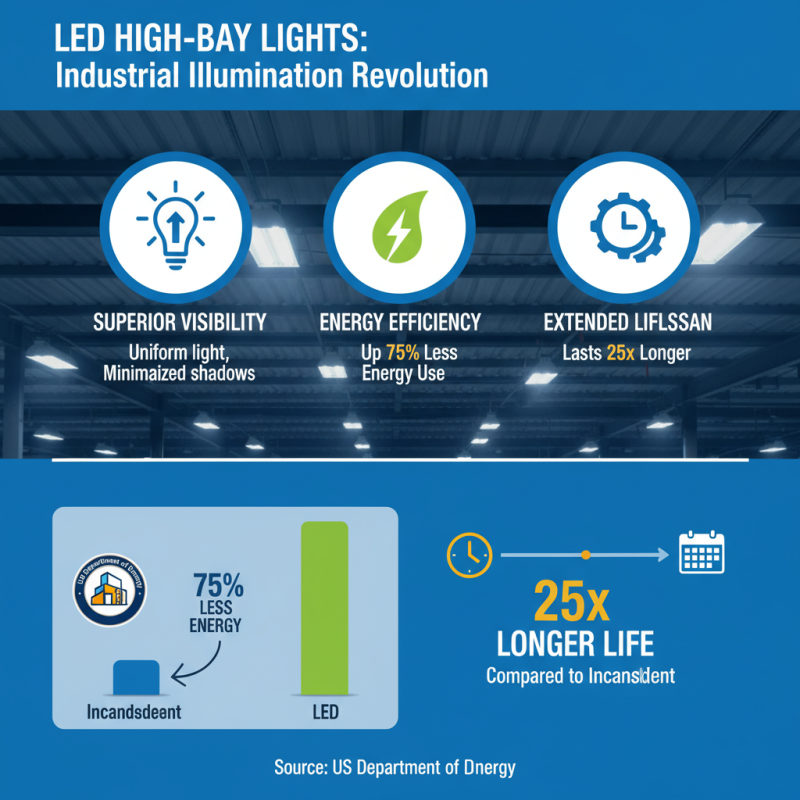
LED high bay lights have revolutionized the lighting in industrial and commercial spaces, significantly enhancing light quality and visibility. Unlike traditional lighting options, LED high bay lights provide a more uniform illumination, minimizing shadows and dark spots that can hinder visibility in workspaces. According to the U.S. Department of Energy, LEDs use up to 75% less energy than incandescent lighting while lasting up to 25 times longer, which underscores the efficiency and reliability of LED technology in demanding environments.
In addition to energy savings, the color rendering index (CRI) of LED high bay lights typically exceeds 80, providing a more accurate representation of colors in the workspace. This quality not only improves the visual comfort for employees but also boosts productivity, as workers can better distinguish details and colors in their tasks. A survey by the International Association of Lighting Designers suggests that improved lighting can lead to a 20% enhancement in worker performance, emphasizing the importance of updated lighting solutions in fostering a conducive work environment. Furthermore, with reduced flicker and glare, LED high bay lights contribute to lower eye strain, promoting better working conditions and overall employee satisfaction.
Cost Savings on Maintenance and Replacement for Industrial Settings
LED high bay lights have become an essential choice for industrial and commercial spaces due to their remarkable cost-saving benefits, particularly in maintenance and replacement. These lighting solutions boast a longer lifespan compared to traditional lighting options, significantly reducing the frequency of replacements. This not only lessens the financial burden of buying new bulbs but also minimizes labor costs associated with changing lights, which can be a substantial ongoing expense in large facilities.
Tips for maximizing your savings include conducting regular maintenance checks to ensure fixtures are operating efficiently. Dust and grime can accumulate on LED lights, diminishing their effectiveness and requiring more frequent replacements. Additionally, implementing a lighting control system can help manage energy usage effectively, further extending the life of your LEDs. By reducing the need for constant replacement and ensuring optimal performance, you can realize even greater savings in your operational costs.
Investing in LED technology also means benefiting from energy efficiency, leading to lower utility bills. The lower wattage requirements of LED fixtures mean they consume less electricity, resulting in long-term savings on energy costs. Integrating these lights into your facility not only provides bright, reliable illumination but also contributes to a more economical and efficient industrial environment.
Top 10 Benefits of LED High Bay Lights for Industrial and Commercial Spaces - Cost Savings on Maintenance and Replacement for Industrial Settings
| Benefit |
Description |
Estimated Cost Savings |
| Long Lifespan |
LED lights last up to 50,000 hours, reducing the frequency of replacements. |
$200 per year |
| Energy Efficiency |
LEDs use 75% less energy compared to traditional bulbs. |
$300 per year |
| Low Heat Emission |
LEDs generate minimal heat, reducing cooling costs. |
$150 per year |
| Durability |
LEDs are more durable and resistant to shock and vibrations. |
$100 per year |
| Instant On/Off |
LEDs light up instantly, improving workplace safety. |
N/A |
| Color Consistency |
Provides consistent color temperature and brightness. |
N/A |
| Reduced Maintenance Costs |
Lower frequency of bulb changes saves maintenance time and costs. |
$250 per year |
| Eco-friendly |
Contains no toxic materials and is 100% recyclable. |
N/A |
| Better Focus on Work |
Improved light quality enhances visibility and productivity. |
N/A |
| Tax Benefits |
Certain jurisdictions offer tax incentives for energy-efficient upgrades. |
Varies |
Environmental Benefits of Using LED Technology in Commercial Spaces
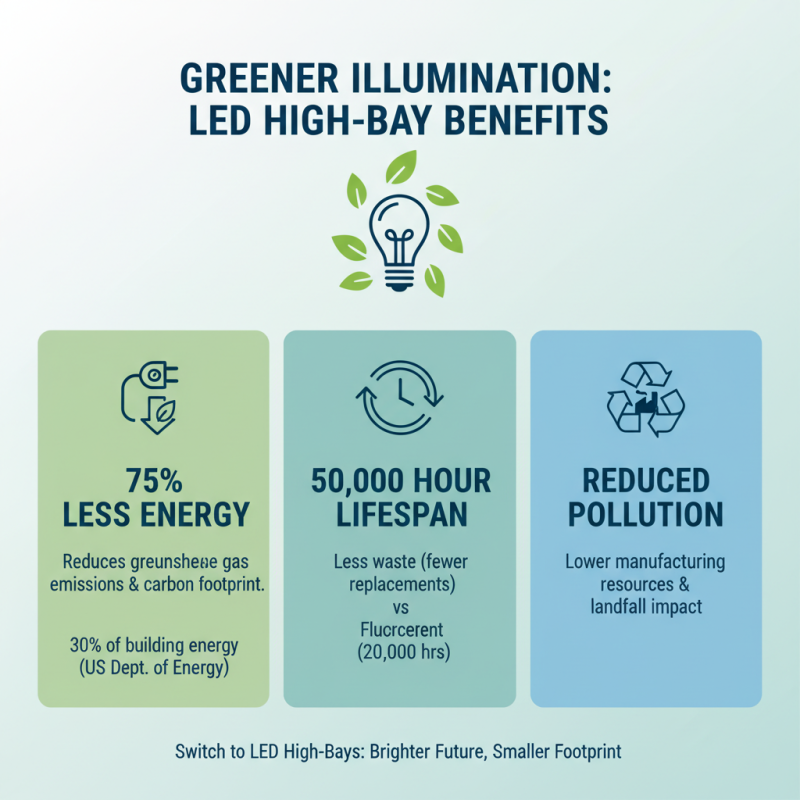
The environmental benefits of utilizing LED high bay lights in industrial and commercial spaces are substantial. LEDs use significantly less energy than traditional lighting solutions, which contributes to a reduction in greenhouse gas emissions. According to the U.S. Department of Energy, commercial lighting accounts for about 30% of energy use in buildings. By switching to LED technology, businesses can reduce their energy consumption by up to 75%, thereby greatly lowering their carbon footprint. Furthermore, LEDs have a longer lifespan, lasting up to 50,000 hours compared to just 20,000 hours for fluorescent options, which means less waste in landfills and fewer resources spent on manufacturing replacements.
Moreover, LED lights contain no hazardous materials, such as mercury, which is commonly found in fluorescent bulbs. This makes them safer for the environment and simpler to dispose of at the end of their life cycle. According to a report by the International Energy Agency, transitioning to LED lighting could reduce global electricity demand by 10% by 2030, which would have a significant impact on energy conservation efforts worldwide.
Tips: To maximize the environmental benefits of LED high bay lights, consider implementing smart lighting controls that adjust brightness based on occupancy. This can further enhance energy savings by ensuring lights are only on when needed. Additionally, investing in high-quality LED fixtures may have higher upfront costs but will lead to greater long-term savings and sustainability, reinforcing the commitment to eco-friendly practices in commercial spaces.