Top Benefits of Solar LED Lighting for Your Home and Environment
The increasing popularity of solar LED lighting marks a significant shift towards sustainable energy solutions for homes and environments alike. As homeowners seek to reduce their carbon footprint and utility expenses, solar LED technology emerges as a practical alternative to traditional lighting systems. By harnessing the power of the sun, solar LED lights offer an eco-friendly, energy-efficient solution that benefits both the environment and personal finances.
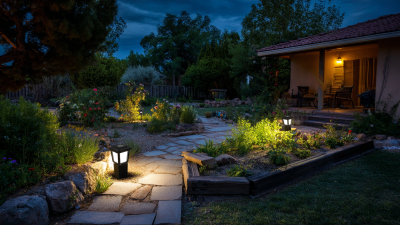
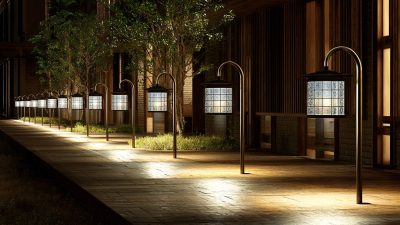
In addition to cost savings, solar LED lighting contributes to enhanced outdoor aesthetics and safety. With advancements in solar technology, these lights provide adequate illumination while reducing light pollution and conserving energy. Furthermore, the flexibility in installation locations allows homeowners to illuminate areas previously constrained by electrical wiring, making solar LED lights an ideal choice for landscapes, pathways, and gardens. As we explore the top benefits of solar LED lighting, it becomes clear that this innovative approach not only illuminates our homes but also paves the way for a greener, more sustainable future.

Top Benefits of Solar LED Lighting for Your Home and Environment
Solar LED lighting offers a multitude of benefits for both residential spaces and the broader environment. One of the most significant advantages is its energy efficiency. Solar LED lights harness sunlight to generate electricity, drastically reducing reliance on grid power and lowering electricity bills. This self-sufficiency not only lessens the financial burden on homeowners but also promotes the use of renewable energy, thereby contributing to a more sustainable lifestyle.
Additionally, solar LED lighting is environmentally friendly. Since these lights utilize solar energy, they emit no harmful pollutants during operation, helping to reduce the carbon footprint associated with traditional lighting solutions. The longevity of LED technology also means fewer replacements are needed, which in turn diminishes waste and the associated environmental impact. By choosing solar LED lights, homeowners are actively participating in the efforts to combat climate change and preserve the planet for future generations.
Energy Efficiency: Reducing Electricity Consumption by Up to 75%
The adoption of solar LED lighting in residential settings is revolutionizing energy consumption. By harnessing the power of the sun, these systems can reduce electricity consumption by up to 75%. According to the U.S. Department of Energy, LED lighting uses about 75% less energy compared to traditional incandescent bulbs, and when combined with solar technology, the savings become even more pronounced. This significant reduction in energy use not only leads to decreased utility bills but also lessens the environmental impact associated with energy production.
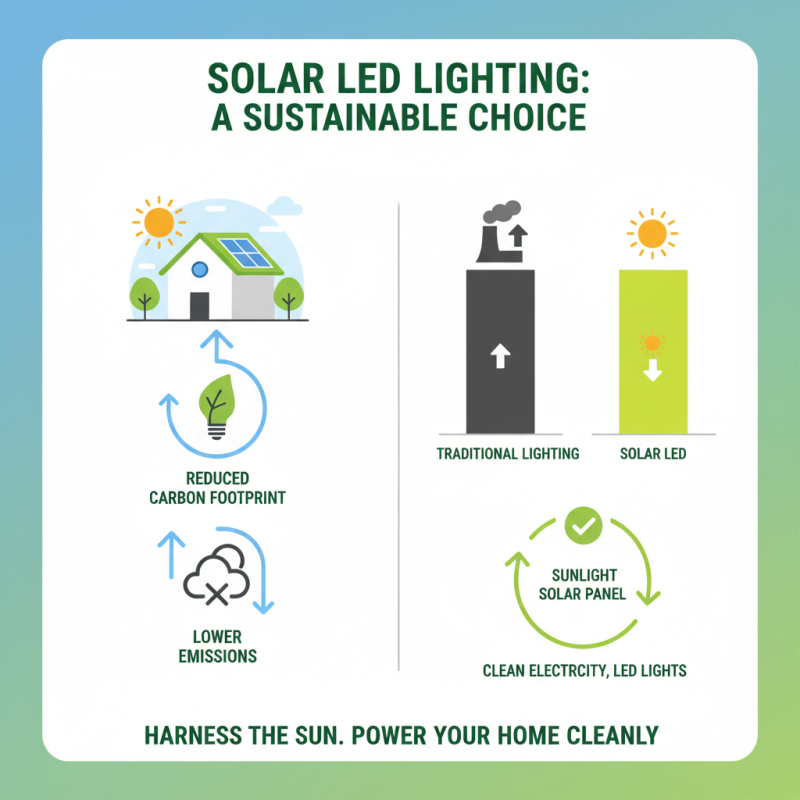
Moreover, the Environmental Protection Agency (EPA) estimates that increasing the use of solar LED lighting can contribute to substantial reductions in greenhouse gas emissions. Traditional lighting systems, reliant on fossil fuels, exacerbate the carbon footprint of homes. Transitioning to solar-powered LEDs, which operate independently of grid electricity, effectively eliminates this dependency. A study by the National Renewable Energy Laboratory indicates that a typical household can prevent approximately 3,000 to 4,000 pounds of carbon dioxide emissions annually by switching to solar LED options, thus playing a crucial role in combating climate change while enhancing energy efficiency.
Cost Savings: Long-term Financial Benefits and ROI of Solar LED Lighting
One of the most compelling reasons to invest in solar LED lighting for your home is the significant cost savings it offers over time. Traditional lighting systems can incur high electricity bills, while solar LED lights harness sunlight, converting it into energy efficiently. The initial purchase and installation costs of solar LED systems may be higher than conventional options, but the long-term financial benefits far outweigh these upfront expenses. With renewable energy sources becoming increasingly accessible, homeowners can enjoy reduced utility costs, potentially saving hundreds to thousands of dollars over the lifespan of the lighting fixtures.
In addition to immediate cost savings, solar LED lighting also presents a strong return on investment (ROI). With minimal maintenance requirements and the capability to operate independently from the grid, these systems not only work to minimize ongoing expenses but also enhance property value. Many homeowners find that their investments in solar lighting pay off quickly as energy prices rise and the demand for sustainable living solutions grows. By transitioning to solar LED lighting, homeowners not only contribute to environmental sustainability but also build a more financially secure future for themselves.
Environmental Impact: Decrease in Carbon Footprint and Emissions
The adoption of solar LED lighting in households significantly contributes to a reduction in carbon footprint and emissions, making it a sustainable choice for environmentally conscious homeowners. By harnessing solar energy, these lighting systems eliminate the reliance on fossil fuels, which are the primary source of greenhouse gas emissions. Traditional lighting solutions, such as incandescent or even fluorescent bulbs, consume substantial electricity generated from non-renewable resources, leading to increased carbon footprints. In contrast, solar LED lights utilize the sun’s energy, generating clean electricity that powers outdoor and indoor lighting without releasing harmful pollutants.
Furthermore, solar LED lighting systems enhance energy efficiency, resulting in lower overall energy consumption. LEDs are inherently more energy-efficient compared to traditional bulbs, meaning they require less energy to produce the same amount of light. When combined with solar technology, they not only reduce dependence on electric grids but also lower the demand for energy production, which often contributes to air and water pollution. In this way, solar LED lighting serves a dual purpose: it minimizes energy use while fostering a cleaner environment. Consequently, homeowners can enjoy the benefits of reduced energy bills and a healthier planet, creating a win-win situation for both personal and environmental well-being.
Durability and Longevity: Solar LED Lifespan Exceeding 25,000 Hours
The longevity of solar LED lighting systems is one of their most compelling attributes, with lifespans exceeding 25,000 hours. According to a report by the U.S. Department of Energy, LED lighting can last up to 25 times longer than traditional incandescent bulbs, greatly reducing the frequency and costs associated with replacements. This durability is particularly beneficial for homeowners seeking sustainable and cost-effective lighting solutions. By minimizing the need for replacements, solar LED lights not only save money but also reduce material waste, aligning with environmental preservation goals.
Moreover, solar LED lights are designed to withstand various weather conditions, ensuring their functionality throughout the year. The encapsulation process during manufacturing protects the LED components from moisture and dust, with many products rated for operation in extreme temperatures. The National Renewable Energy Laboratory indicates that solar LED lighting systems remain efficient and reliable, providing consistent illumination even in less-than-ideal conditions. This resilience not only enhances the aesthetic appeal of outdoor spaces but also increases safety around homes during nighttime, offering peace of mind for families. As the technology continues to evolve, we can expect even greater advancements in lifespan and performance, making solar LED lighting an attractive option for eco-conscious households.
Solar LED Lighting Lifespan Comparison
This chart illustrates the average lifespan of different types of lighting, highlighting the durability and longevity of Solar LED lights, which can exceed 25,000 hours, far surpassing traditional incandescent and halogen bulbs.
Conclusion
Solar LED lighting offers numerous benefits that enhance both home environments and the planet. One of the key advantages is energy efficiency, as solar LEDs can reduce electricity consumption by up to 75%. This significant reduction not only leads to lower utility bills but also contributes to long-term cost savings, providing a strong return on investment. Additionally, the use of solar LED lighting helps decrease carbon footprints and emissions, supporting environmental sustainability.
Moreover, solar LEDs are designed for durability and longevity, with lifespans exceeding 25,000 hours, making them a reliable choice for homeowners. Their versatility allows for creative landscape and home enhancements, as they come in various styles and designs, seamlessly integrating into outdoor spaces. By choosing solar LED lighting, individuals can elevate their property’s appeal while contributing positively to the environment.