What are the benefits of using LED high bay fixtures?
In today's industrial landscape, the efficiency of lighting plays a crucial role. LED high bay fixtures are becoming increasingly popular in warehouses, factories, and retail spaces. Experts have recognized their advantages due to improved technology. John Smith, a lighting design specialist, states, "LED high bay fixtures provide both energy savings and enhanced brightness."
These fixtures deliver remarkable illumination while minimizing energy consumption. Businesses experience lower electricity bills and reduced heat output. This efficiency leads to a more comfortable working environment. However, some companies remain hesitant due to initial costs. Investing in LED high bay fixtures may seem daunting, yet the long-term benefits clearly outweigh these concerns.
Moreover, the longevity of LED high bay fixtures is noteworthy. Many can last up to 50,000 hours, requiring less frequent replacement. This aspect translates to fewer interruptions in operations. Still, one must carefully evaluate individual lighting needs before transitioning fully. Adopting LED technology requires thoughtful consideration of specific applications. It's essential to weigh the upfront investment against potential savings and productivity enhancements.
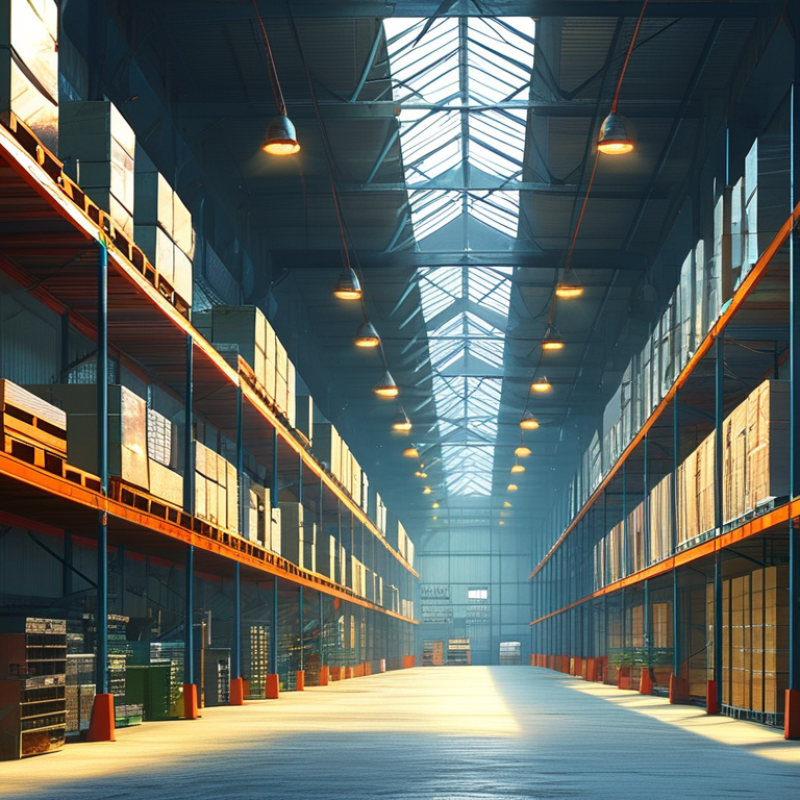
Benefits of LED High Bay Fixtures in Industrial Settings
LED high bay fixtures are becoming the go-to lighting solution in industrial settings. These fixtures offer significant energy savings, with studies indicating a reduction in energy consumption by up to 70% compared to traditional lighting options. This transition not only lowers electricity bills but also contributes to a more sustainable environment.
Another benefit of LED high bay fixtures is their long lifespan. Many LED fixtures can last for 50,000 hours or more, reducing the need for frequent replacements. This longevity minimizes maintenance efforts and costs, which is crucial in large industrial facilities. Additionally, LED lights provide superior illumination, improving visibility and safety for workers handling machinery and operating equipment.
Tips: To maximize the benefits of LED high bay fixtures, consider the height of your ceilings and the layout of your workspace. Proper placement can enhance both lighting efficiency and coverage. Furthermore, while LEDs often emit less heat than traditional bulbs, it's always good to monitor temperature levels in work areas. Not all setups will yield perfect illumination, so be prepared to adjust your lighting arrangements for optimal results.
Benefits of LED High Bay Fixtures in Industrial Settings
Energy Efficiency: A Comparison of Wattage and Lumens
LED high bay fixtures are an excellent choice for large spaces, providing significant energy efficiency. When comparing wattage and lumens, LEDs usually require less wattage to produce the same amount of light as traditional fixtures. This means lower energy bills and reduced carbon footprints. For instance, a 100-watt LED might produce 10,000 lumens, whereas an equivalent HPS fixture could need 200 watts to achieve similar brightness.
When choosing LED high bay lights, consider lumen output per watt. A higher ratio indicates better efficiency, which leads to overall savings. However, it's essential to evaluate your specific needs. The layout of your space, the color of the walls, and even the height of the ceiling can influence how much light you need.
Tips:
Aim for a balance between brightness and energy consumption. Sometimes, opting for too high lumens can create glare. Regularly evaluate your lighting setup to ensure it meets your operational needs. Adjusting fixture placement can enhance light distribution. Make small changes gradually to assess their impact effectively.
Longer Lifespan: How LED Fixtures Outlast Traditional Options
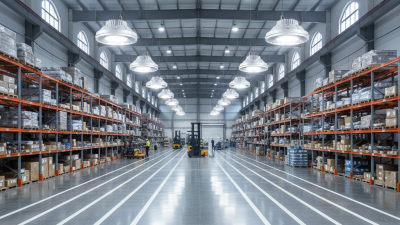
LED high bay fixtures bring a significant advantage with their longer lifespan. Unlike traditional lighting options, which often require frequent replacements, LED fixtures can last 50,000 hours or more. This longevity reduces maintenance costs and effort for businesses. Fewer replacements mean lower labor costs, specific downtime, and increased productivity. The initial investment in LEDs pays off over time.
Consider a warehouse setting. The lights are often high up, making it challenging to replace them. With LED fixtures, workers spend less time on lifts and ladders. This choice increases safety and efficiency. However, LEDs do require proper installation and may need compatible dimmers. It's crucial to ensure the full benefits are realized.
Despite these benefits, some might question LED performance in extreme environments. LEDs can struggle in very high or low temperatures. Dimming options might not work well for all setups. However, selecting the right product can mitigate these issues. The reliability of LEDs makes them a smart choice for high bay applications, enhancing lighting quality and reducing long-term costs.
Cost Savings: Analyzing ROI and Maintenance Costs
LED high bay fixtures are becoming increasingly popular in commercial and industrial settings due to their cost-saving advantages. A recent report from the U.S. Department of Energy indicates that LED lighting can offer up to 75% energy savings compared to traditional lighting. This significant reduction in energy consumption translates into lower electricity bills. For a facility with a high bay lighting system, transitioning to LEDs can result in thousands of dollars saved annually.
Maintenance costs also plummet with LED fixtures. These lights generally last 50,000 hours or more, far exceeding the lifespan of conventional bulbs. This longevity means fewer replacements, reducing labor costs and the need for inventory stock. According to a study by the Lighting Research Center, maintenance savings can reach 40% in some cases. Facilities must account for this over time, particularly in environments where high ceilings make changing bulbs a labor-intensive task.
However, the initial investment for LED high bay fixtures can be higher compared to traditional options. Decision-makers should weigh these upfront costs against long-term savings. A solid understanding of the total cost of ownership will provide better insights into return on investment (ROI). While the transition represents a commitment, the potential benefits are profound and go beyond just energy efficiency.
Environmental Impact: Reducing Carbon Footprint with LED Technology
LED high bay fixtures are transforming the way we think about industrial lighting. Using LED technology significantly reduces energy consumption. This lower energy use leads to decreased carbon emissions. Traditional lighting sources, like metal halide, consume much more electricity. When industries switch to LED fixtures, they contribute to a greener planet.
The environmental benefits extend beyond just energy savings. LEDs have a longer lifespan compared to conventional bulbs. This longevity reduces waste generated from discarded lighting. Fewer replacements mean less manufacturing, which is resource-intensive. There’s a clear connection between smarter lighting choices and reduced environmental impact.
Yet, while the advantages are evident, some may grapple with the initial investment. Transitioning to LEDs may require upfront costs. However, over time, energy savings often offset this expense. As industries strive for greener practices, reflecting on these choices becomes essential. The shift towards LED technology is not just a trend; it is a necessity for sustainable development.