Best Home EV Station Options for Your Electric Vehicle Needs?
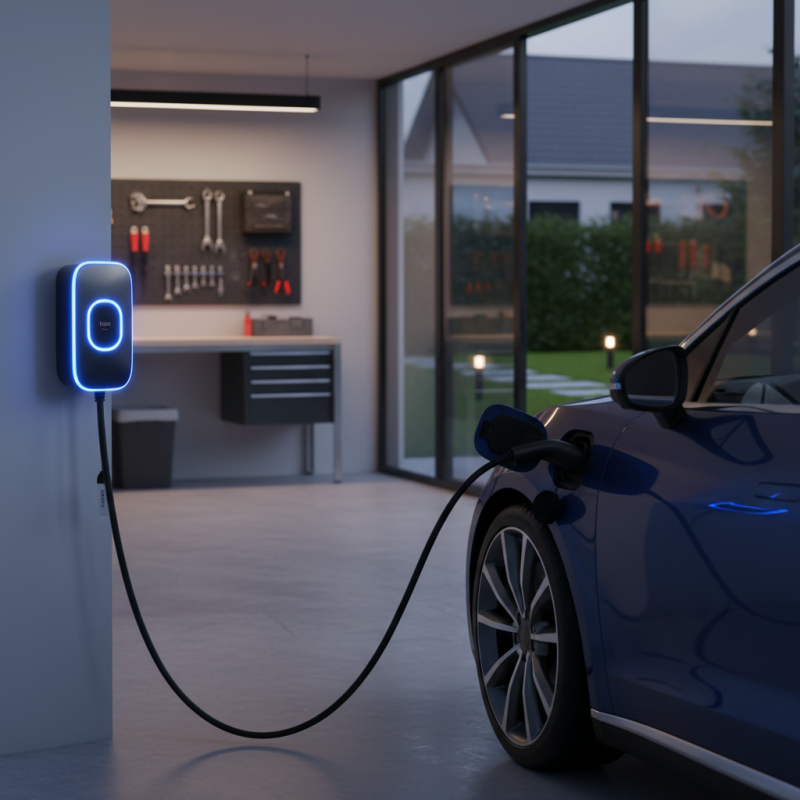
As electric vehicles (EVs) gain popularity, investing in a reliable Home Ev Station becomes essential. According to John Doe, an expert in sustainable energy solutions, "The right charging station can transform your EV experience, making it seamless and efficient."
Home EV Stations provide convenience for daily charging, reducing reliance on public chargers. With various options available, selecting the ideal model is crucial. Factors such as charging speed, compatibility, and installation requirements can impact your overall satisfaction. Each home has unique needs; what works for one might not fit another.
This evolving market still has challenges. Many homeowners may face installation hurdles. Furthermore, not all Home EV Stations offer the same performance or efficiency. These nuances are important to understand. By evaluating options carefully, you can find a solution that enhances your EV ownership experience.
Overview of Electric Vehicle Charging Stations for Home Use
When considering home EV charging stations, it's vital to understand their types and functionalities. Home charging solutions primarily fall into two categories: Level 1 and Level 2 chargers. Level 1 chargers typically use a standard household outlet. They provide around 4-5 miles of range per hour. This slow charging may not be adequate for daily needs, especially for high-demand users.
Level 2 chargers require a dedicated 240-volt outlet and offer up to 25 miles of range per hour, significantly reducing charging time. According to a report from the U.S. Department of Energy, approximately 80% of EV owners charge at home, emphasizing the importance of choosing the right station.
**Tip:** Consider your daily driving range. If you drive less than 30 miles daily, a Level 1 charger may suffice. But for those with longer commutes or multiple EVs, investing in a Level 2 station could be a game-changer.
Installation costs can vary widely, with estimates ranging from $600 to over $1,500. It’s essential to factor in electric panel upgrades and labor costs. Not every home may be equipped for higher voltage needs.
**Tip:** Assess your electrical infrastructure and consult a licensed electrician to evaluate the best solution for your circumstances. Understanding the potential limitations can help in making informed decisions for your electric vehicle charging needs.
Types of Home EV Charging Stations Available
When considering home EV charging stations, it's essential to understand the different types available. The most common options include Level 1 and Level 2 chargers. Level 1 chargers use standard 120-volt outlets. They are slow, typically providing 3 to 5 miles of range per hour. This option may be suitable for plug-in hybrids but not for full electric vehicles requiring quicker charging.
Level 2 chargers, on the other hand, operate at 240 volts. These units deliver 10 to 60 miles of range per hour, depending on the power output. According to the U.S. Department of Energy, roughly 80% of electric vehicle owners prefer Level 2 chargers for home use due to their efficiency. Additionally, some newer options include smart chargers. These devices allow remote monitoring and control through apps.
Many homeowners express concerns about installation costs and electrical upgrades. It’s crucial to have a qualified electrician evaluate your home’s system. Some homes may need electrical panel upgrades, which can be costly. This emphasizes the importance of thorough planning and research before purchasing a charging station. Consider local incentives too; they can offset some expenses.
Factors to Consider When Choosing a Home EV Station
When considering a home EV station, several key factors come into play. One crucial aspect is the charging speed. Level 2 chargers typically offer faster charging than standard outlets, completing a full charge in 4-8 hours. Features like Wi-Fi connectivity can enhance the experience, allowing remote monitoring and scheduling. According to a recent industry report by the International Energy Agency, nearly 80% of EV charging occurs at home, making this choice vital for convenience.
Another factor to consider is compatibility with your electric vehicle. While most EVs accept standard charging plugs, variations exist. Assessing the specifics of your vehicle can prevent future compatibility issues. Additionally, installation costs can vary substantially. Reports indicate that installation fees can range from $500 to $2,000, influenced by local regulations and electrical upgrades. Understanding the total cost, including potential electrical work, provides a clearer financial picture.
Lastly, safety features cannot be overlooked. Quality chargers come equipped with protections against overloading and short-circuiting. One-third of EV owners express concerns about safety, according to a consumer survey. Installing a unit with robust safety certifications reassures users about their investment and the overall safety of their home.
Best Home EV Station Options for Your Electric Vehicle Needs
| Station Type | Charging Speed | Installation Cost | Connectivity | Safety Features |
| Level 1 Charger | 2-5 miles/hour | $300 - $600 | Basic | Overload protection |
| Level 2 Charger | 10-60 miles/hour | $700 - $2,000 | Wi-Fi, App control | Surge protection, Ground fault detection |
| DC Fast Charger | DC rapid charging | $10,000+ | Network connected | High safety ratings, multiple redundancy systems |
| Smart Charger | Variable | $600 - $1,500 | Wi-Fi, Mobile app | Adaptive charging, Safety notifications |
Installation Requirements for Home Charging Stations
When considering a home charging station for your electric vehicle, installation requirements play a crucial role. It’s essential to assess your home's electrical capacity. Many homes need system upgrades to handle the additional load of a charging station. A standard outlet may not be sufficient for quick charging. Upgrading to a Level 2 charging station often requires a dedicated 240-volt circuit.
Additionally, the location of the station matters. It should be easily accessible, possibly near your garage or driveway. Ensuring proper weatherproofing and safety measures is vital. Some homeowners overlook the importance of having a professional electrician evaluate their setup. This can lead to miscalculations or safety hazards. Awareness of local building codes also cannot be ignored. Some regions have specific regulations regarding home installations that must be adhered to.
In some cases, permits may be required before installation. Ignoring this can lead to fines or having to remove the station later. It’s important to plan ahead. Careful consideration allows for a smoother installation process. While it may seem tempting to DIY, engaging with professionals ensures compliance and safety. Maintaining flexibility in your plans will help address unexpected issues that may arise.
Cost Analysis of Home EV Charging Station Options
When considering a home EV charging station, costs are a key factor. Initial setup can vary significantly. Installation costs often range from a few hundred to over a thousand dollars. Factors affecting these costs include electrical upgrades, station type, and labor charges.
Monthly electricity usage also impacts total costs. Using a Level 2 home charging station may increase your electric bill by 30-50%. That’s an important consideration for budgeting. Additionally, local incentives or rebates may reduce the upfront cost. Researching these options can enhance your overall savings.
Many homeowners grapple with the long-term financial implications of their choices. Will the charging station provide sufficient benefits? Do the calculations add up? A careful assessment is essential to avoid costly mistakes. Understanding both the immediate and future costs will guide you in making informed decisions.
Cost Analysis of Home EV Charging Station Options