10 Best LED Explosion Proof Lighting Options for Maximum Safety
In hazardous environments, effective lighting is crucial for safety. LED explosion proof lighting offers a reliable solution. According to a recent report by Safety Standards Organization, improper lighting leads to 30% of workplace accidents in industrial settings.
Dr. Emily Martinez, an expert in industrial safety, states, "Implementing proper lighting not only enhances visibility but also reduces risk of accidents." This highlights the importance of selecting the right lighting solutions. LED options are designed to withstand extreme conditions. They are not only durable but also energy-efficient.
However, many facilities still use outdated lighting systems. These systems can pose significant safety risks. Investing in LED explosion proof lighting can drastically improve safety measures. While some companies hesitate due to costs, potential savings in maintenance and energy should not be overlooked. The right lighting can save lives and enhance productivity, making it an essential consideration for any industrial operation.
Understanding LED Explosion Proof Lighting: A Comprehensive Overview
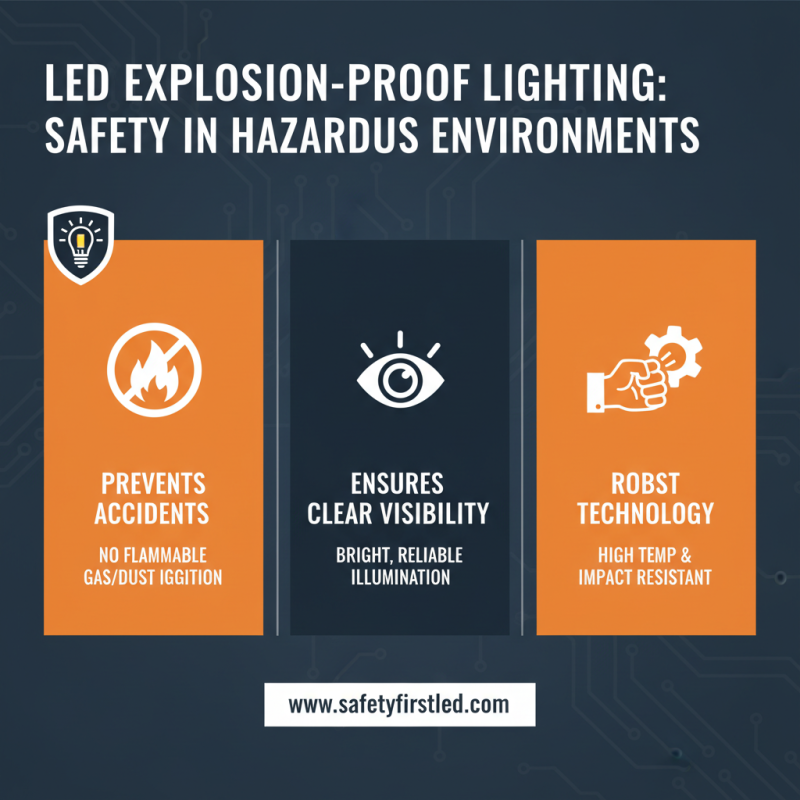
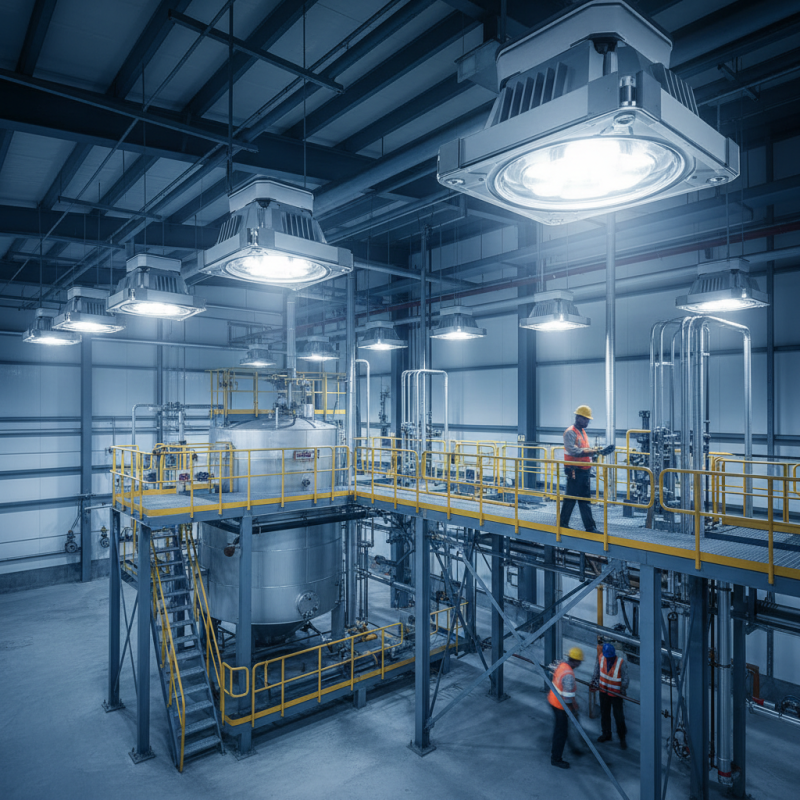
LED explosion proof lighting is crucial for safety in hazardous environments. These lights are designed to operate in areas where flammable gases or dust are present. They help prevent accidents and ensure clear visibility. The technology behind these lights is robust. They can withstand high temperatures and resist impact.
When selecting the right LED explosion proof lighting, you should consider several factors. The brightness is key. The amount of lumens can determine visibility. The color temperature also matters. A warmer light may create a more comforting feel in the workspace. Moreover, energy efficiency is essential. Power consumption impacts long-term costs.
Despite the advancements, users need to be cautious. Some products may not meet specific safety standards. Regular checks and maintenance are necessary. Users should be aware of potential issues. Ideally, the lighting should be easy to install. Complications can lead to operational delays. Always verify compatibility with the existing electrical systems.
Key Features to Consider When Choosing Explosion Proof LED Lights
When selecting explosion-proof LED lights, safety is paramount. Look for lights that meet regulatory standards for environments with flammable gases or dust. The construction should be robust, often made with durable materials like aluminum or tempered glass. This ensures they can withstand harsh conditions. Consider the illumination intensity as well. Some applications require high lumen output, while others might not.
Another vital factor is energy efficiency. LED technology usually provides better energy savings compared to traditional lighting. However, not all LEDs are equal in this aspect. A balance between light quality and power consumption is crucial. Check the color temperature as well. Warmer colors may enhance visibility in certain conditions, while cooler colors can improve focus in tasks.
Additionally, ease of installation matters. Some lights may require professional installation, adding to overall expenses. Make sure to assess mounting options available and any specific requirements. It’s also important to read reviews. They can reveal the reliability of the lights in real-world scenarios. Always consider the warranty offered too. A solid warranty often reflects a manufacturer’s confidence in their product.
10 Best LED Explosion Proof Lighting Options for Maximum Safety
Top 10 LED Explosion Proof Lighting Options for Industrial Settings
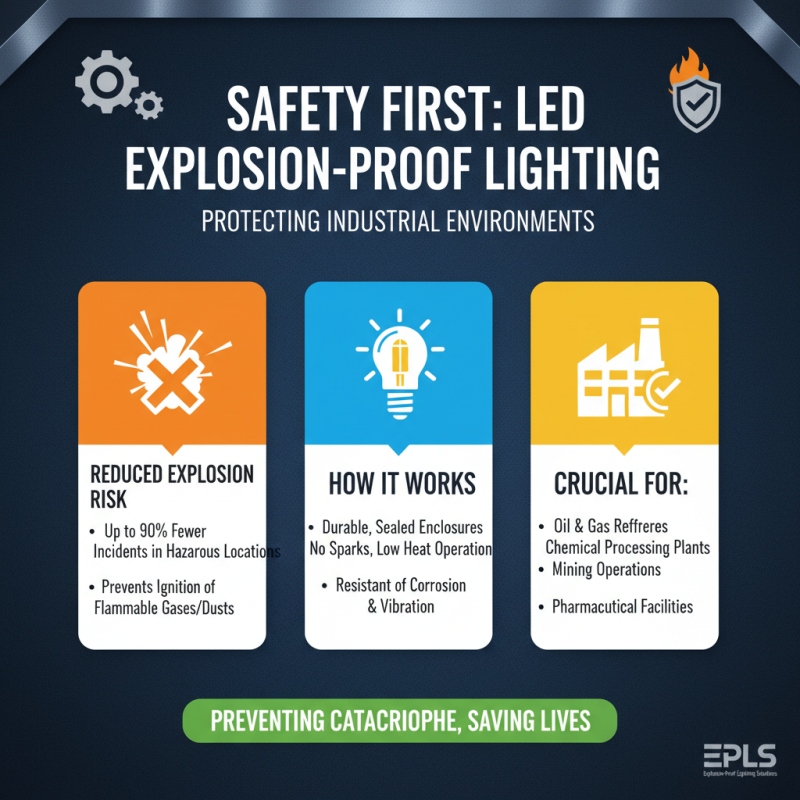
In industrial environments, safety is paramount. LED explosion proof lighting addresses this. According to industry studies, these lights reduce explosion risks significantly. They are crucial in locations where flammable gases exist. The right lighting can prevent catastrophic events.
LED explosion proof lights typically have a lifespan of 50,000 hours or more. This longevity can lead to lower maintenance costs. However, not all products are created equal. Some may fail under extreme conditions. It's essential to choose units that meet rigorous safety standards.
Efficiency is another key factor. These lights consume less energy while providing more light. A 2018 report showed that LED lights can save facilities up to 75% on electricity costs. Yet, achieving optimal performance can be challenging. Regular inspections and proper installation are vital. This ensures maximum effectiveness and safety in any industrial setting.
Installation and Maintenance Tips for LED Explosion Proof Fixtures
When installing LED explosion proof fixtures, safety is the top priority. Always observe local safety standards. Proper mounting is crucial. Ensure that all fixtures are securely fastened to prevent any movement. Using the wrong screws or brackets can lead to accidents. Follow the manufacturer's guidelines for installation. Check that the wiring is correctly done, as incorrect connections may pose risks.
Maintaining LED explosion proof lights is essential for longevity and performance. Regularly inspect the fixtures for any signs of wear or damage. Clean the lenses to maximize light output. Dust and grime can significantly reduce illumination. Use appropriate cleaning solutions to avoid damaging the fixtures. Also, consider the environment they are in. Harsh conditions may require more frequent checks. Keeping a log of inspections can help track maintenance needs. Remember, neglecting these tasks can lead to unforeseen issues.
10 Best LED Explosion Proof Lighting Options for Maximum Safety
| Model |
Lumen Output |
Wattage |
Rated Life (Hours) |
Mounting Options |
IP Rating |
| Model A |
12,000 |
100W |
50,000 |
Ceiling, Wall |
IP68 |
| Model B |
15,000 |
120W |
60,000 |
Trunnion, Pendant |
IP67 |
| Model C |
10,000 |
80W |
40,000 |
Wall |
IP66 |
| Model D |
20,000 |
150W |
70,000 |
Suspended |
IP65 |
| Model E |
18,000 |
135W |
55,000 |
Ceiling |
IP68 |
| Model F |
22,000 |
200W |
100,000 |
Wall, Pendant |
IP65 |
| Model G |
13,000 |
90W |
45,000 |
Wall |
IP67 |
| Model H |
14,500 |
110W |
60,000 |
Trunnion, Ceiling |
IP66 |
| Model I |
16,000 |
125W |
70,000 |
Pendant |
IP65 |
| Model J |
19,000 |
155W |
80,000 |
Wall, Ceiling |
IP68 |
Safety Standards and Regulations for Explosion Proof Lighting Devices
When working in hazardous environments, safety standards for explosion-proof lighting are critical. These devices must comply with stringent regulations. The National Fire Protection Association (NFPA) emphasizes the importance of using lights that meet Class I, Division 1 and 2 certifications in volatile areas. Such certifications ensure protection against igniting flammable gases and vapors.
A recent industry report indicated that over 50% of workplace accidents occur in poorly lit areas. It’s vital to choose the right lighting options. Ensure they resist corrosion and operate effectively in extreme conditions. Proper installation is also crucial. Regular maintenance checks can prevent failures and unnecessary dangers.
Tips: Always refer to local codes before installing explosion-proof lights. Doing so ensures compliance with safety standards. Assess the environment regularly for changes that could affect safety requirements. Utilize lighting that allows for easy cleaning to maintain optimal performance. Remember, even the best equipment needs proper care. Failing to do so could lead to serious incidents.