What is the Best LED Flood Lights for Your Needs?
When it comes to outdoor lighting, LED flood lights are an essential choice. They provide high visibility and enhance security in various settings. Whether you need illumination for a garden, parking lot, or sports field, these lights can meet your demands. But how do you choose the best LED flood lights for your needs?
Selecting the right LED flood lights requires an understanding of your unique requirements. Consider the brightness, energy efficiency, and durability of the lights. Various brands offer different features. Some lights are waterproof, while others are designed for high-intensity use. Researching these options can feel overwhelming, but it's crucial for ensuring you get the best quality.
Reflecting on your choices can make a big difference. Think about where and how you'll use the lights. Will they withstand harsh weather conditions? Will they cover the desired area adequately? Delving into these questions helps in finding suitable LED flood lights that will serve your purpose effectively.
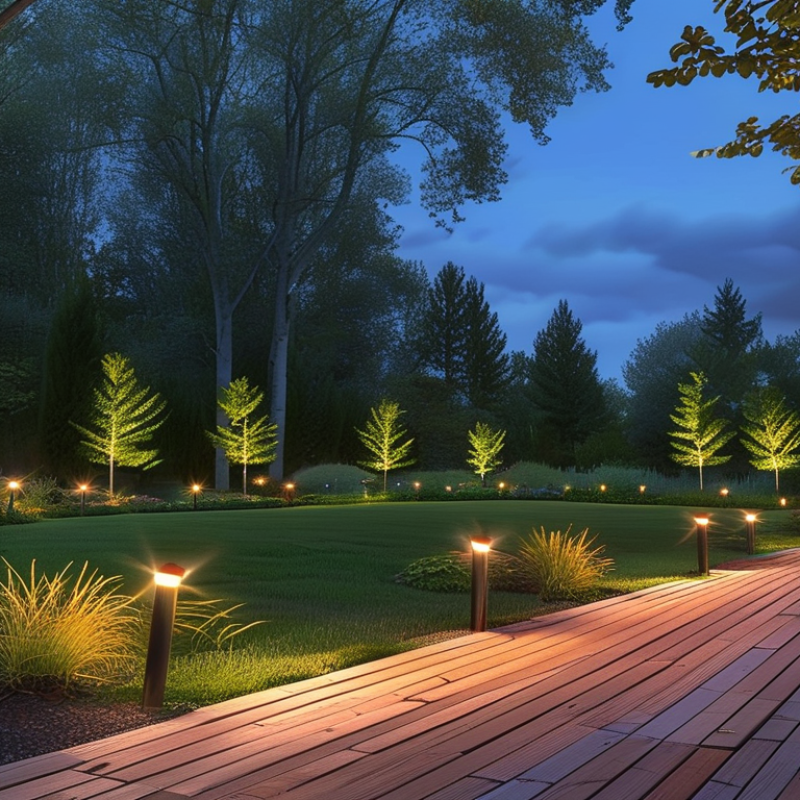
Understanding LED Flood Lights: Overview and Benefits
LED flood lights are becoming increasingly popular for their efficiency and brightness. They provide powerful illumination, making them ideal for outdoor spaces. Homeowners often use these lights for security, landscaping, or recreational areas. The benefits of LED flood lights are numerous. They are durable, energy-efficient, and long-lasting compared to traditional lighting solutions. This means fewer replacements and lower energy bills.
When choosing LED flood lights, it’s important to consider brightness and angle. A high lumen output can illuminate larger areas effectively. The angle of the beam affects how the light disperses, which can influence shadow and visibility around your property. Not all LED flood lights are created equal; some may not meet your specific needs. Conducting thorough research can save time and money in the long run.
Despite the advantages, there are aspects that merit attention. Some users find the initial cost of LED flood lights higher than conventional lights. This investment requires careful consideration. Additionally, the color temperature can impact ambiance. Choosing lights that are too harsh could create an unwelcoming atmosphere. It’s wise to weigh the benefits against potential drawbacks to find the right fit for your space.
Types of LED Flood Lights: Choosing the Right Style
When selecting LED flood lights, the style you choose is crucial. There are various types available, each catering to different needs. For instance, some flood lights are designed for outdoor use, with weatherproof features that withstand rain and snow. Their brightness varies, so it's essential to assess the required illumination for your space.
Architectural flood lights often enhance building facades, while landscape flood lights serve to illuminate gardens and pathways. The beam angle is another important factor to consider. A narrow beam is ideal for focused lighting, while a wider beam covers larger areas. Deciding on which style to use can feel overwhelming at times.
Reflect on how you'll use these lights. Will they enhance security or create ambiance? Take into account the wattage to avoid excessive energy costs. Sometimes, choosing the right color temperature makes a big difference. Warmer tones create a cozy atmosphere, while cooler tones offer a modern feel. Balancing practical needs with aesthetic choices is a challenge every buyer experiences.
Key Features to Consider When Selecting LED Flood Lights
When selecting LED flood lights, several key features significantly impact performance. Brightness is essential. Look for lumen output, as it measures light intensity. According to industry data, flood lights with 5,000 lumens or more are ideal for commercial spaces. In contrast, residential areas may only need 1,000 to 3,000 lumens.
Durability is another important aspect. LED flood lights should have a robust construction. Check for an IP rating, which indicates weather resistance. An IP65 rating indicates the light can withstand dust and water, making it perfect for outdoor use. A report from the Lighting Research Center shows that lights with higher ratings last longer and require less frequent replacements.
Consider energy efficiency as well. LED lights consume significantly less energy than traditional fixtures. They can reduce energy bills by up to 75%. However, some users report issues with color accuracy and adjustable features. Relying solely on wattage can lead to mismatched expectations. Understanding the specifics of your lighting needs is crucial to making an informed choice.
What is the Best LED Flood Lights for Your Needs? - Key Features to Consider When Selecting LED Flood Lights
| Feature |
Description |
Considerations |
| Luminous Flux |
Measured in lumens, indicates brightness of the light. |
Higher lumen means brighter light; choose based on area size. |
| Wattage |
Power consumption, typically between 50W to 300W. |
Balance between energy savings and brightness needed. |
| Color Temperature |
Measured in Kelvin (K); affects the light's hue. |
Choose between warm (3000K) and cool (5000K) tones. |
| Beam Angle |
The spread of light, typically ranges from 30 to 120 degrees. |
Narrow angles for focused light; wider for coverage. |
| IP Rating |
Ingress Protection rating, indicates resistance to dust and water. |
For outdoor use, look for IP65 or higher. |
| Lifespan |
Average lifespan is around 25,000 to 50,000 hours. |
Longer lifespan reduces replacement costs. |
| Dimmable Options |
Ability to adjust brightness for different needs. |
Consider if flexibility in light intensity is important. |
Evaluating Brightness and Color Temperature for Your Needs
Choosing the right LED flood lights involves understanding brightness and color temperature.
Brightness is measured in lumens. Higher lumens mean more light output.
For outdoor spaces like patios or driveways, look for options with at least 2000 lumens.
This ensures good visibility and safety during nighttime.
Color temperature, measured in Kelvin, affects the ambiance.
A lower temperature (2700K to 3000K) creates a warm glow, suitable for relaxation areas.
In contrast, higher temperatures (4000K to 6000K) produce a cooler, more energizing light.
This is ideal for work areas or security lighting.
When selecting flood lights, remember to consider your specific needs.
Do you want a cozy atmosphere or a bright, alert space?
Think about the purpose before making a choice. Also, check the CRI rating.
A higher CRI means better color rendering, important for highlighting features in gardens or architectural designs.
Keep in mind how each option will impact your environment.
Installation and Maintenance Tips for LED Flood Lights
When installing LED flood lights, careful planning is vital. Choosing the right location enhances visibility and security. Consider areas that require illumination, such as driveways or gardens. Ensure there are no obstructions that will block the light. Mounting at the correct height improves coverage. Too low, and it may not light the area adequately. Too high, and it can create dark spots.
Maintaining LED flood lights is key to their longevity. Regularly check for dirt or debris that can hinder performance. Cleaning the lenses with a gentle soap solution ensures bright output. Inspect connections and wiring for any wear or damage. Replacing faulty components quickly can prevent bigger issues.
Remember, LEDs do have a lifespan. They can dim over time. Keep track of their performance. If lights are flickering, it may indicate an electrical issue. Monitor your power sources to avoid wider problems. Addressing maintenance proactively can save time and money in the long run.
LED Flood Lights Comparison Based on Lumen Output