What Are the Best LED Landscape Lights for Buyers?

Choosing the best LED landscape lights is not simply a matter of selecting the brightest fixture. A bright lamp can flatten a garden, create glare, and disturb the quiet character of a patio. The better choice balances illumination, durability, energy use, and visual comfort. James R. Benya, a respected lighting designer and LED lighting expert, has said, “Light is the first element of design; without it, there is no color, form, or texture.” That principle matters outdoors, where stone, foliage, steps, and water need different levels of emphasis.

This guide examines LED landscape lights through a buyer’s practical lens. We will consider lumen output, color temperature, beam angle, CRI, IP ratings, housing materials, wiring, and warranty support. A warm 2700K fixture may make timber and brick feel inviting, while a cooler light can reveal pathway edges more clearly. Narrow beams suit trees and columns. Wider beams work better for walls and planting beds. IP65 protection is useful for exposed locations, although installation quality still matters. Poor cable connections can undermine an excellent product.

Real gardens are rarely perfect. Shadows change with seasons, plants grow, and a fixture that looks balanced in a showroom may feel harsh at home. I have found that buyers often underestimate glare and overestimate brightness. That is an easy mistake. The most reliable decision comes from matching each light to a specific outdoor task, then checking its long-term maintenance needs. This article aims to make that process clearer, though no single fixture suits every landscape.
What Are the Best LED Landscape Lights for Buyers?

Types of LED Landscape Lights and Their Best Uses

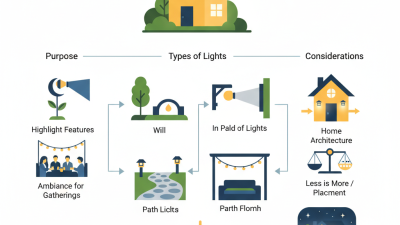
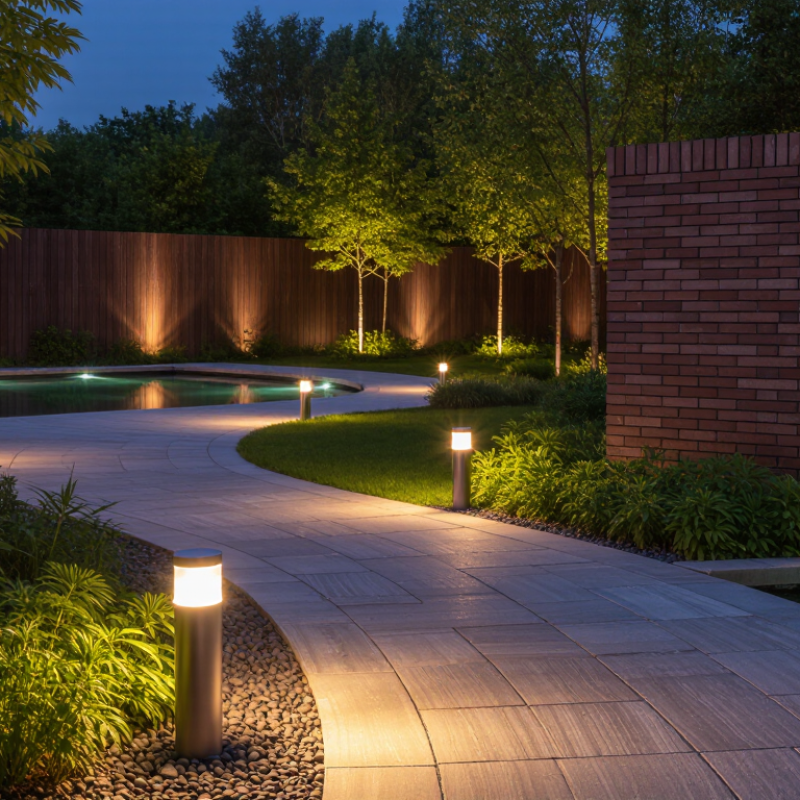
LED landscape lights work best when their type matches the outdoor task. Path lights create a gentle pool along walkways, steps, and garden borders. Choose low glare designs with wide, even beams. A warm color temperature around 2700K to 3000K usually feels comfortable near homes. Very bright path lights can make a small yard look harsh.

Spotlights and uplights suit trees, statues, columns, and textured walls. Narrow beams highlight one feature, while wider beams cover mature branches or broad façades. I check beam angle, lumen output, and mounting stability before installation. A powerful light aimed at a bedroom window is a poor choice. It may look impressive, but it disturbs sleep. Adjustable heads help, though they sometimes shift after heavy rain or frost.

In-ground lights provide discreet accents around paving, decks, and planting beds. Wall-wash lights spread soft illumination across fences and exterior walls. Step lights improve visibility when installed evenly, without shining directly into the eyes. Look for weather resistance, sealed connections, and durable housings. Low-voltage systems are practical for many residential projects, but local electrical rules still matter. I have also learned that spacing is easy to underestimate; lights often appear brighter at night than expected. Testing one fixture after sunset can prevent an expensive redesign.

What Are the Best LED Landscape Lights for Buyers?

Typical light output by fixture type and its most suitable residential application

Pathway and in-ground lights generally use lower lumen levels for comfortable guidance and accent lighting. Spotlights, floodlights, and bollards provide higher output for highlighting architectural features, improving visibility, and defining larger outdoor areas. Actual brightness varies by beam angle, color temperature, mounting height, and installation layout.

Key Features to Compare Before Buying LED Landscape Lights

Choosing the best LED landscape lights starts with measurable features, not attractive photographs. Compare lumens, beam angle, color temperature, and color rendering index (CRI).

A 300-lumen path light may suit a walkway, while a narrow spotlight needs fewer lumens for trees.

Warm light around 2700K usually feels residential and less harsh. Higher CRI reveals natural stone and plant colors more accurately.

Test one fixture at night. Daylight can mislead.

Energy use also deserves careful attention. The U.S. Department of Energy states that LED lighting uses at least 75% less energy and lasts up to 25 times longer than incandescent lighting.

However, real performance depends on heat management, driver quality, and installation. Check the fixture’s rated life, wattage, replacement parts, and warranty terms.

A lower price can look sensible. It may not remain economical after repeated failures.

For outdoor reliability, inspect the IP rating, cable insulation, connector seals, and housing material.

IP65 protects against dust and water jets.

IP67 adds temporary water immersion protection under defined test conditions.

Match the transformer’s capacity to the total load, leaving room for expansion. The U.S. DOE’s Solid-State Lighting research identifies efficacy and thermal management as important LED performance factors.

Look for corrosion resistance near pools or coastal air. Measure the path.

I still prefer adjustable heads, because fixed beams often create glare or uneven shadows. Even careful plans need revision after rain, foliage growth, and seasonal darkness.

How to Choose Brightness, Color, Beam Angle, and Lighting Effects

Choosing the best LED landscape lights starts with brightness, not appearance. Measure output in lumens, then match it to the task. Path lights often need moderate brightness, while wall washing requires more output. Excessive brightness can create glare and hide nearby details. I once used high-output fixtures along a narrow path, and the result felt harsh rather than welcoming.

Color temperature changes the entire mood. Warm white light, around 2700K to 3000K, suits gardens, patios, and wooden surfaces. Cooler light can reveal stone textures, but it may look sterile around plants. Check the beam angle carefully. A narrow beam highlights trees or columns with sharp focus. A wide beam spreads light across beds and low walls. Test both at night, because daytime impressions can be misleading.

Tips: Place a temporary fixture before installing permanently. Watch how shadows move across leaves, steps, and windows. Use adjustable fixtures for changing plants or seasonal displays. Combine soft path lighting with focused accent lights for depth. Avoid placing every fixture at equal distances; natural spacing usually looks better. Also, confirm weather resistance and cable quality for your local conditions. My layouts still need occasional adjustment, especially after plants grow. That is part of the process.

Installation, Power Options, Weather Resistance, and Maintenance

Choosing the best LED landscape lights begins with a realistic installation plan. Measure twice. Mark paths, steps, trees, and seating areas before buying fixtures. Low-voltage systems are usually safer and easier for residential gardens. They need a suitable transformer, weatherproof connectors, and buried cables at a safe depth. Solar lights avoid wiring, but shaded yards may produce weak evening output.

Power options affect brightness and reliability. Check total wattage before connecting multiple fixtures. Leave some transformer capacity for future additions. A professional installer also watches for glare, uneven spacing, and exposed cable runs. Bright light is not always better. Soft, shielded beams often create a more comfortable yard and reduce wasted energy.

Weather resistance deserves careful attention. Look for a clear outdoor protection rating, sealed housings, durable lenses, and corrosion-resistant materials. Water can enter through loose connectors, even when the fixture itself is well sealed. Keep junctions above wet soil when possible. Maintenance is simple but easy to neglect. Wipe dust from lenses, remove leaves, and inspect cables after storms. Check for flickering, rust, or cracked seals. Small problems grow. I would not trust an impressive specification without examining the installation details. Even reliable lights can fail when drainage is poor or the transformer is overloaded.

What Are the Best LED Landscape Lights for Buyers? — Installation, Power Options, Weather Resistance, and Maintenance

Light Type Typical Use Installation Method Power Options Typical Power Range Recommended Weather Rating Expected LED Service Life Maintenance Needs Best Buying Consideration
Path and Walkway Lights Illuminating paths, steps, driveways, and garden borders Usually installed on ground stakes; spacing commonly depends on beam spread and desired brightness Low-voltage wired systems or integrated solar units Approximately 1–7 watts per fixture IP65 or higher for exposed outdoor locations About 25,000–50,000 operating hours, depending on heat and component quality Clean lenses, remove soil around stakes, check cable connections, and trim plants that block light
Spotlights and Uplights Highlighting trees, walls, architectural details, signs, and focal points Ground-mounted with stakes or surface-mounted with brackets; aiming adjustment is useful Low-voltage transformer systems, line-voltage wiring by a qualified professional, or solar models Approximately 3–15 watts per fixture IP65 for general exposure; IP67 is preferable where temporary immersion may occur About 25,000–50,000 operating hours Re-aim fixtures, clear leaves from housings, inspect seals, and verify that connectors remain dry
Deck and Step Lights Improving visibility on stairs, decks, railings, retaining walls, and seating areas Recessed or surface-mounted; installation may require drilling and concealed cable routing Low-voltage wired systems, battery-powered units, or solar models where sunlight is adequate Approximately 0.5–5 watts per fixture IP65 or higher; use fixtures specifically rated for wet locations when installed in exposed areas About 25,000–50,000 operating hours Clean diffusers, inspect mounting hardware, and check wiring for moisture or abrasion
In-Ground Well Lights Lighting trees, columns, façades, and vertical landscape features from below Installed in a drainage-friendly ground well; requires careful placement and cable protection Most commonly low-voltage wired; some models use line voltage and require professional installation Approximately 5–20 watts per fixture IP67 or IP68 is recommended because the fixture may experience standing water or soil contact About 25,000–50,000 operating hours Remove soil and debris, confirm drainage, inspect the lens and seal, and check cable glands
Floodlights and Area Lights Covering patios, large lawns, entrances, and security-sensitive areas Mounted on walls, posts, or poles; accurate aiming reduces glare and wasted light Line voltage, low voltage, or solar with an integrated battery Approximately 10–50 watts per fixture IP65 or higher for outdoor use; select a suitable temperature range for the local climate About 25,000–50,000 operating hours Clean the lens, remove dust from heat-sink surfaces, inspect mounting hardware, and test sensors
String and Festoon Lights Decorating patios, pergolas, trees, fences, and entertaining areas Suspended from hooks, guide wire, or support structures; avoid placing cable under tension Plug-in line voltage, low-voltage plug-in systems, or solar-powered batteries Approximately 0.5–2 watts per LED lamp IP44 for sheltered areas; IP65 or higher for more exposed installations About 15,000–30,000 operating hours, depending on the lamp and driver Check sockets, cable insulation, support points, and water ingress before seasonal use
Solar Landscape Lights Simple accent, path, and decorative lighting where trenching is undesirable Stake or surface installation with the solar panel positioned toward sufficient direct sunlight Integrated photovoltaic panel and rechargeable battery; no external wiring required Approximately 0.1–3 watts per fixture IP44 to IP65, depending on exposure and enclosure design LEDs may last 15,000–30,000 hours; rechargeable batteries commonly require replacement after about 1–3 years Clean the panel, remove shading, clean the lens, and replace the battery when nighttime runtime declines
Smart or Color-Tunable Lights Adjustable schedules, dimming, color temperature, or color effects for residential landscapes Installed like comparable wired or solar fixtures; setup may require an app, hub, or wireless network Low-voltage wired systems, plug-in power supplies, or solar batteries Approximately 3–20 watts per fixture IP65 or higher for exposed outdoor fixtures; protect controllers and power supplies according to their ratings About 25,000–50,000 operating hours Clean fixtures, update firmware when applicable, check network connectivity, and protect control equipment from water

Evaluating Quality, Energy Efficiency, Lifespan, and Overall Value

What Are the Best LED Landscape Lights for Buyers?

The best LED landscape lights balance useful brightness, low energy use, and dependable construction. During garden lighting checks, I compare measured brightness with the manufacturer’s stated lumens. Claims can vary. A light producing 500 lumens may feel weak beside a wide path or dense planting. Beam angle matters as much as output. Narrow beams highlight trees, while wider beams spread soft light across walkways.

Energy efficiency depends on more than wattage. Look for strong lumens-per-watt performance and adjustable timers or photocells. These controls prevent lights from running through empty daylight hours. A warm color temperature, around 2700K to 3000K, usually protects a relaxed garden atmosphere. Higher color rendering can reveal natural leaf and stone colors, though it may increase the purchase price.

Build quality affects lifespan. Aluminum housings, sealed connections, and an IP65 or higher rating help resist rain, dust, and irrigation spray. Good heat management is critical because excessive heat shortens LED performance. A replaceable cable or accessible driver can improve long-term value. I once chose a cheaper fixture with impressive brightness, but its connector failed after repeated winter freezing. That mistake changed my buying process. Now I inspect cable thickness, mounting stability, warranty terms, and replacement-part availability. Some fixtures still advertise long lifespans without explaining operating conditions. That deserves caution. A slightly costlier light may offer better value when installation labor, electricity, and future replacements are included.

has been added to your cart.
Checkout