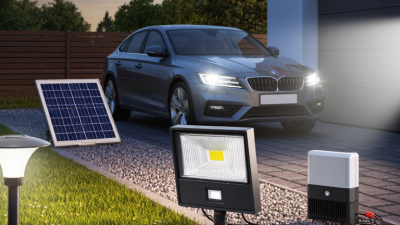
Choosing the top solar LED lights for outdoor use requires more than comparing brightness or appearance. A light that looks impressive online may struggle beside a shaded fence, under winter clouds, or after several rainy nights. This guide examines practical performance, including illumination, battery capacity, charging time, weather resistance, motion sensors, and installation effort. The goal is simple: identify dependable options for paths, patios, gardens, driveways, and security areas.
Real outdoor conditions matter. A solar LED fixture should provide useful light without creating harsh glare for nearby windows. Look for clear specifications, suitable IP ratings, replaceable components, and honest information about battery life. Warm light can make a patio feel welcoming, while cooler light may improve visibility along a walkway. Motion-activated models can conserve energy, but their sensors may react to pets, branches, or passing vehicles.
No single lamp suits every yard. That is important. A compact path light may fail as a security fixture, even when its packaging promises strong output. Reviews should therefore consider actual placement, seasonal sunlight, maintenance, and long-term reliability. Some products may perform well in summer but disappoint during shorter winter days. That weakness deserves attention, not a polished explanation. By comparing measurable features with realistic user needs, this overview aims to support a more confident and responsible purchase.
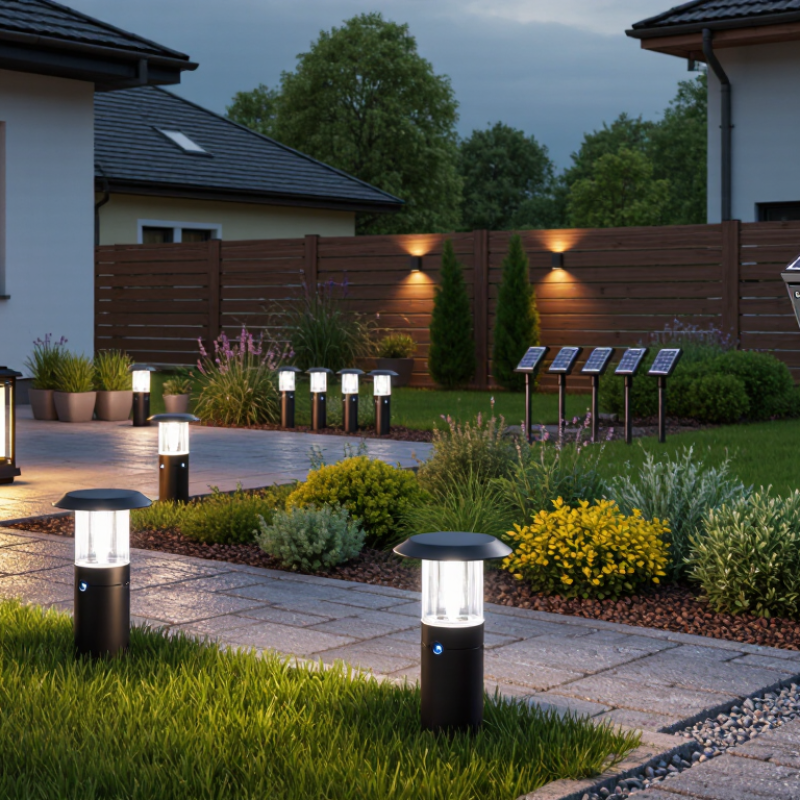
Solar LED lights combine a small photovoltaic panel, a rechargeable battery, a control circuit, and light-emitting diodes. The panel converts daylight into electrical energy. That energy charges the battery during the day. After sunset, a light sensor activates the LEDs automatically.
The process is simple, but placement matters. A panel under tree branches may receive weak sunlight. Nearby walls can also create afternoon shade. In my experience, a light placed beside a bright driveway often lasts longer than one hidden under a porch. Cloudy weather still provides some energy, although charging becomes slower. Winter nights can expose this weakness.
The battery stores the collected power for nighttime use. The controller helps prevent overcharging and manages the lighting cycle. LEDs need less electricity than traditional bulbs, so a compact battery can support several hours of illumination. Check the light’s lumen output for brightness and its weather-resistance rating for outdoor reliability. A higher rating usually offers better protection from rain and dust.
Not every solar light performs equally well. Some models advertise long runtime but depend on ideal summer sunlight. Battery capacity may also decline after repeated charging cycles. I once expected a small pathway light to remain bright until morning, but it dimmed before dawn after several cloudy days. That result was disappointing, yet it showed why location, season, and battery quality deserve careful attention.
Choosing solar LED lights depends on the outdoor space, not only brightness. Pathway lights suit garden borders and walkways because their low, downward glow reduces glare. Wall-mounted solar LEDs work better near doors, garages, and steps. For patios, choose wider beam lights with adjustable heads. Flood-style fixtures can cover driveways, but they may disturb neighbors or wildlife.
The Global Off-Grid Solar Market Report 2024, published by GOGLA and the World Bank, recorded more than 9 million off-grid solar products sold in 2023. This growth supports solar lighting as a practical option where wiring is difficult. However, performance still depends on sunlight, battery capacity, and seasonal weather. The International Energy Agency Photovoltaic Power Systems Programme reported global solar capacity above 1.6 terawatts by the end of 2023. That figure shows strong solar development, but it does not guarantee equal results for every small outdoor lamp.
Tips: Match the light to the space. Use warm light near seating areas and cooler light for security zones. Place panels away from roof shadows, trees, and bright night lighting. Check the battery rating and operating time, not just advertised lumens. In my experience, many lights look impressive on the first evening, then weaken after several cloudy days. A motion sensor can preserve stored energy, though its response may feel imperfect. Clean the panel monthly. Small maintenance matters.
Brightness should match the space, not just the product’s lumen claim. A pathway may need gentle light, while a driveway needs stronger, wider coverage. In my own yard tests, I placed lights at equal distances and compared the ground after sunset. Cold white light looked brighter, but warm light created less glare. My first comparison was flawed because I tested one unit after a cloudy afternoon. Solar performance changes quickly with weather.
Battery life depends on panel size, battery capacity, lighting mode, and daily sunlight. Check whether the stated runtime uses low, medium, or motion-activated settings. A light promising ten hours may produce far less after winter charging. Look for replaceable batteries when possible. Also inspect charging time and performance after two cloudy days. That detail is often overlooked.
Weather resistance matters just as much. An IP rating can indicate protection from dust and water, but installation still matters. Mount panels away from shade, standing water, and heavy snow. Sealed joints and sturdy brackets usually outlast thin plastic parts.
Tips: Compare brightness at ground level, not only in product photos. Record runtime for several nights. Test after rain. Check for flickering, weak motion detection, and condensation inside the lens. Keep expectations realistic; no solar light performs perfectly in every season.
Top Solar LED Lights for Outdoor Use?
Choosing outdoor solar LED lights involves more than checking brightness. Start with the light’s lumen rating. Pathway lighting often needs modest output, while security areas require stronger illumination. A warm color temperature feels comfortable near seating areas. Cooler light can reveal steps and gates more clearly. Check the solar panel’s position, too. A shaded panel may charge slowly, even with a large battery. I once placed a light beneath a dense tree and expected reliable evening performance. It struggled after cloudy days.
Tips: Look for weather resistance suitable for outdoor exposure, such as an IP65 rating or higher. Choose a battery with enough capacity for overnight use. Lithium-based batteries generally perform better in cold conditions, but performance still drops. Motion sensors can save energy near driveways and side entrances. Adjustable panels help capture direct sunlight. Replaceable batteries are useful because battery life eventually declines.
Material quality also matters. Sealed seams, firm mounting hardware, and protected wiring can prevent early failure. Test the switch and sensor before installation. Some controls are awkward in the dark. Avoid judging quality by brightness alone. Excessive glare can annoy neighbors and reduce visibility around the fixture. A balanced beam, steady charging, and simple maintenance usually matter more. My choices are not always perfect, especially during long rainy periods. Seasonal adjustment may be necessary.
| Feature | Recommended Target or Standard | Why It Matters | What to Check Before Buying |
|---|---|---|---|
| Outdoor Protection | IP65 or higher for exposed outdoor locations | An IP65 enclosure is dust-tight and protected against water jets from any direction, making it suitable for normal rain and outdoor dust exposure. | Confirm that the rating applies to the complete light, including the battery compartment and charging connections. Avoid placing the light where it can be submerged unless it is specifically rated for submersion. |
| Light Output | Approximately 100–300 lumens for pathways; 300–800 lumens for security or larger areas | Lumens measure total visible light output. The appropriate level depends on whether the light is intended for orientation, decoration, or active security illumination. | Compare lumens rather than wattage. Look for a published lumen value and consider beam angle, mounting height, and the size of the area to be illuminated. |
| Color Temperature | 2,700–3,000 K for warm ambience; 4,000–5,000 K for clearer task or security lighting | Lower color temperatures produce a warmer appearance, while higher color temperatures provide a cooler, more daylight-like appearance that can improve visual contrast. | Choose warm white for patios and gardens, and neutral or cool white for driveways, entrances, and areas where visibility is the priority. |
| Solar Panel | A panel sized for the light’s output and local sunlight conditions; adjustable panels are preferable where available | The panel converts sunlight into electrical energy. Shading, seasonal daylight changes, dirt, and unfavorable panel angles can significantly reduce charging performance. | Install the panel where it receives several hours of direct sunlight. Check whether the panel is integrated or connected by a cable, since a separate panel offers more placement flexibility. |
| Battery Capacity and Type | Rechargeable lithium-based battery for compact, efficient designs; capacity should be stated in mAh or Wh | Battery capacity affects how long the light can operate after dark. Lithium-based batteries generally offer high energy density and good performance in compact outdoor products. | Look for a replaceable battery or clearly stated replacement procedure. Compare watt-hours when possible because mAh values are not directly comparable at different battery voltages. |
| Nightly Runtime | At least 6–10 hours under a full charge, depending on operating mode | Runtime determines whether the light remains active throughout the evening and early morning. High-output modes normally use more energy than low-output modes. | Check whether the claimed runtime applies to continuous full brightness, dim mode, or motion-activated operation. Winter performance may be lower because of shorter days and weaker sunlight. |
| Motion Detection | PIR sensor with an approximately 90–120° detection angle and adjustable sensitivity where possible | A passive infrared sensor detects changes in infrared radiation caused by moving people or animals. Motion activation can provide brighter light while conserving battery energy. | Review the detection distance, activation duration, and sensitivity controls. Position the sensor away from roads, heating vents, and moving branches to reduce false triggers. |
| Operating Modes | At least two modes, such as dim standby plus motion-activated brightness, or adjustable brightness | Multiple modes allow the light to balance visibility, battery conservation, and nighttime ambience according to the location and season. | Make sure the mode switch is accessible and protected from water. Confirm whether the selected setting is retained after the light is switched off or the battery is depleted. |
| LED Efficiency | Look for a published efficacy value where available; efficient LEDs commonly provide more light from less stored energy | Higher efficacy means more visible light can be produced from the available battery energy, which may improve runtime and reduce the required panel size. | Give priority to products that publish lumens, power consumption, and operating time together. A high lumen claim without runtime information is difficult to evaluate. |
| Installation and Mounting | Secure wall, ground, or stake mounting suited to the intended surface | Stable mounting keeps the solar panel correctly oriented and the light aimed at the required area. Poor installation can reduce both charging and illumination performance. | Check mounting hardware, cable length, adjustment range, and the recommended installation height. Use corrosion-resistant fasteners in damp or coastal environments. |
| Weather and Temperature Resistance | Outdoor-rated construction with a stated operating temperature range | Outdoor lights experience rain, humidity, ultraviolet exposure, heat, and cold. These conditions can affect seals, plastics, electronics, and battery performance. | Look for UV-resistant materials, sealed switches, corrosion-resistant hardware, and guidance for freezing conditions. Keep drainage openings clear of dirt and debris. |
| Color Rendering | CRI 80 or higher when accurate appearance of people, plants, or surfaces is important | The color rendering index indicates how naturally colors appear compared with a reference light source. Higher CRI can make outdoor spaces look more natural. | Treat CRI as a supporting specification rather than the only selection factor. For basic pathway lighting, beam distribution and brightness may matter more than a very high CRI. |
| Maintenance and Replaceable Parts | Accessible solar panel, cleanable lens, and replaceable battery where practical | Dust and leaves reduce solar charging, while rechargeable batteries gradually lose capacity through normal use and aging. | Choose a design that allows safe cleaning and battery replacement. Inspect the panel and lens periodically, and follow the manufacturer’s battery disposal instructions. |
Installing solar LED lights well starts with a clear view of the sky. Choose a location receiving six to eight hours of direct sunlight daily. Avoid placing the panel beneath eaves, branches, or nearby walls. Secure stakes in firm soil, or use corrosion-resistant screws on solid surfaces. Keep wiring protected from standing water. Before fixing each light, test its brightness after sunset. I once mounted a light beside a tall fence. It looked bright at noon, then faded early. That small mistake changed my installation checks.
Position lights according to their purpose. Path lights should illuminate walking surfaces without shining into people’s eyes. Wall-mounted units work best around shoulder height, with the panel facing open daylight. Angle the panel toward the strongest sunlight, not toward the area needing illumination.
Clean it with a soft, damp cloth every few weeks. Inspect seals, housing, and mounting points regularly. Battery performance often drops during cold or cloudy seasons. Do not assume darkness means failure. Repeated dimness may indicate shade, dirt, or battery wear.
Tips: Test one light before installing several. Mark the panel’s sunny hours. Leave space between fixtures for balanced coverage. Avoid placing lights where sprinklers hit them directly. Record installation dates, because maintenance is easier when details are not forgotten. Even careful placement may need adjustment after seasonal changes.