2026 Best Solar Street Light Solutions for Global Buyers?
The demand for solar street lights is accelerating globally. According to the International Renewable Energy Agency (IRENA), the solar lighting market is expected to grow significantly in the coming years. This growth is driven by rising energy costs and a push for sustainable solutions.
Dr. Emily Carter, a renowned expert in renewable energy, emphasizes the importance of solar street lights for urban areas. She states, "Solar street lights can reduce carbon footprints while ensuring safety and visibility in public spaces." This highlights not only their environmental benefits but also their social value.
However, challenges remain. Quality can vary widely across manufacturers. Some products may not provide adequate illumination or durability. Buyers should thoroughly research suppliers. A careful selection process is crucial for achieving the best results in solar street light installations.
Overview of Solar Street Light Technology and Its Importance
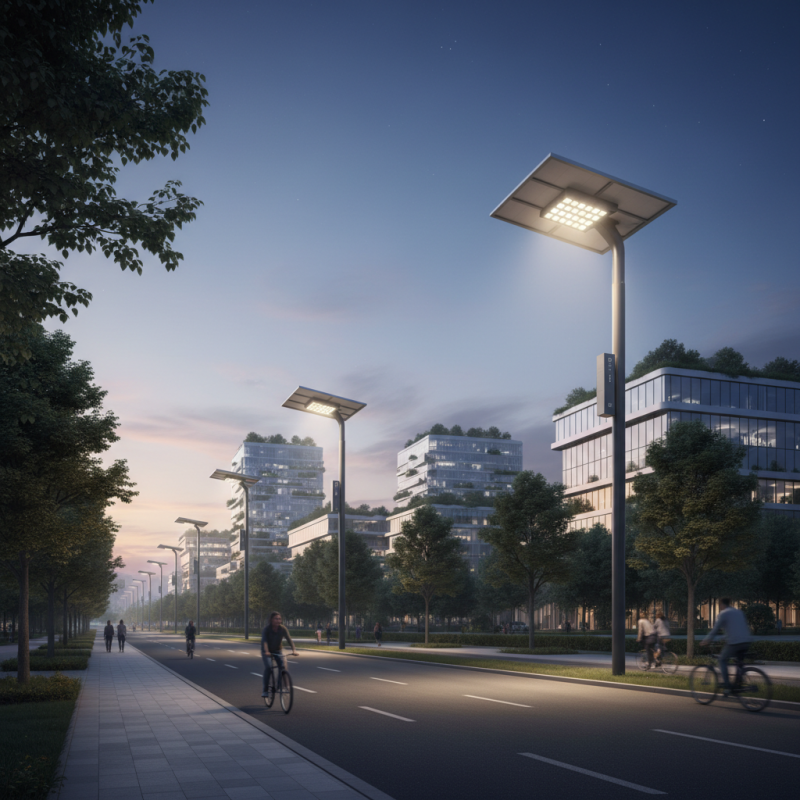
Solar street light technology has emerged as a vital solution for urban and rural lighting needs. These lights harness solar energy, providing sustainable illumination. This technology is particularly important as cities strive for eco-friendly infrastructure. Solar street lights reduce dependency on traditional energy sources. They contribute to lower carbon emissions and operational costs.
The installation process can vary. Some designs may require extensive planning, while others allow for quick setup. Solar panels need enough sunlight to function effectively. Placement is crucial for maximizing energy absorption. Communities may face challenges in integrating these lights into existing infrastructure. Moreover, selecting the right technology can be overwhelming. Knowledge of battery life, durability, and efficiency is essential.
While solar street lights offer many advantages, there are limitations. For instance, they may not illuminate as brightly as conventional lights. This can be a concern in high-traffic areas. Maintenance is another consideration, as batteries need replacement over time. Communities must weigh these factors when making decisions. Engaging with local stakeholders can enhance understanding of specific needs and barriers. Such collaboration ensures a more effective lighting solution for all.
Overview of Solar Street Light Technology
Key Features to Consider When Choosing Solar Street Lights
When selecting solar street lights, several key features come into play.
Efficiency is paramount. Look for lights with high lumen output to ensure adequate brightness for road safety.
The type of solar panel matters too. Monocrystalline panels are known for higher efficiency and durability.
This can lead to significant savings in the long run.
Battery capacity is another critical factor. A well-sized battery can store energy for overnight use.
Many lights offer a solar charging option, which can be beneficial in less sunny regions.
However, smaller batteries might not last through cloudy days. Always evaluate how the local climate influences battery performance.
Tips: Consider adjustable brightness settings.
This can prolong battery life and adapt to varying needs. Also, explore features like motion sensors.
They can further conserve energy.
Lastly, installation ease is a practical consideration. Too often, complicated setups deter users from maximizing their benefits.
Sometimes, lights need constant maintenance, which can lead to frustration. It's wise to choose models with a good track record for reliability.
Researching user reviews can provide insight into real-world performance and durability.
Installation and Maintenance Tips for Solar Street Lights
Installing solar street lights effectively involves understanding your environment and needs. Research shows that poorly designed installations can reduce efficiency by up to 30%. It’s crucial to evaluate sunlight exposure. Typically, 6 hours of direct sunlight is necessary for optimal performance.
Regular maintenance is essential for longevity. Check battery health at least twice a year. A study indicated that 15% of solar lights fail due to battery issues. Dust and debris can obstruct solar panels. A simple clean can enhance production by 20%.
Consider local weather patterns. Harsh climates can affect performance and lifespan. Investing in weather-resistant models may be wise. Periodic inspections help identify any issues early on. These steps improve reliability and safety in urban areas.
Future Trends in Solar Street Light Solutions for 2026 and Beyond
The landscape of solar street light solutions is evolving rapidly. In 2026, we can expect significant advancements driven by technology and sustainability. Recent industry reports indicate that the global solar street lighting market is projected to grow at a compound annual growth rate (CAGR) of 21.5% from 2021 to 2026.
Emerging trends include the integration of smart technologies. Many solar street lights will feature IoT capabilities, enabling real-time monitoring and data collection. These enhancements allow municipalities to optimize energy usage and reduce costs. For example, reports from the International Renewable Energy Agency highlight that smart street lights can reduce energy consumption by up to 60%.
However, challenges remain. Many communities still face issues with initial installation costs and maintenance. Some solar street lights require consistent sunlight, making them less effective in regions with prolonged cloud cover. This limitation raises questions regarding their viability in diverse geographical areas. As the market grows, addressing these concerns will be crucial. Continuous innovation and collaboration among manufacturers and local governments will shape the future of solar street lighting.