How to Choose the Best LED Panel Lights for Your Home or Office
Choosing the right lighting can significantly enhance the ambiance and functionality of any space, whether it’s your home or office. Among the many lighting options available, LED panel lights have emerged as a popular choice due to their sleek design, energy efficiency, and versatility. These lights provide a modern look while delivering excellent illumination, making them ideal for a variety of applications. However, with the plethora of options on the market, selecting the best LED panel lights can be a daunting task.
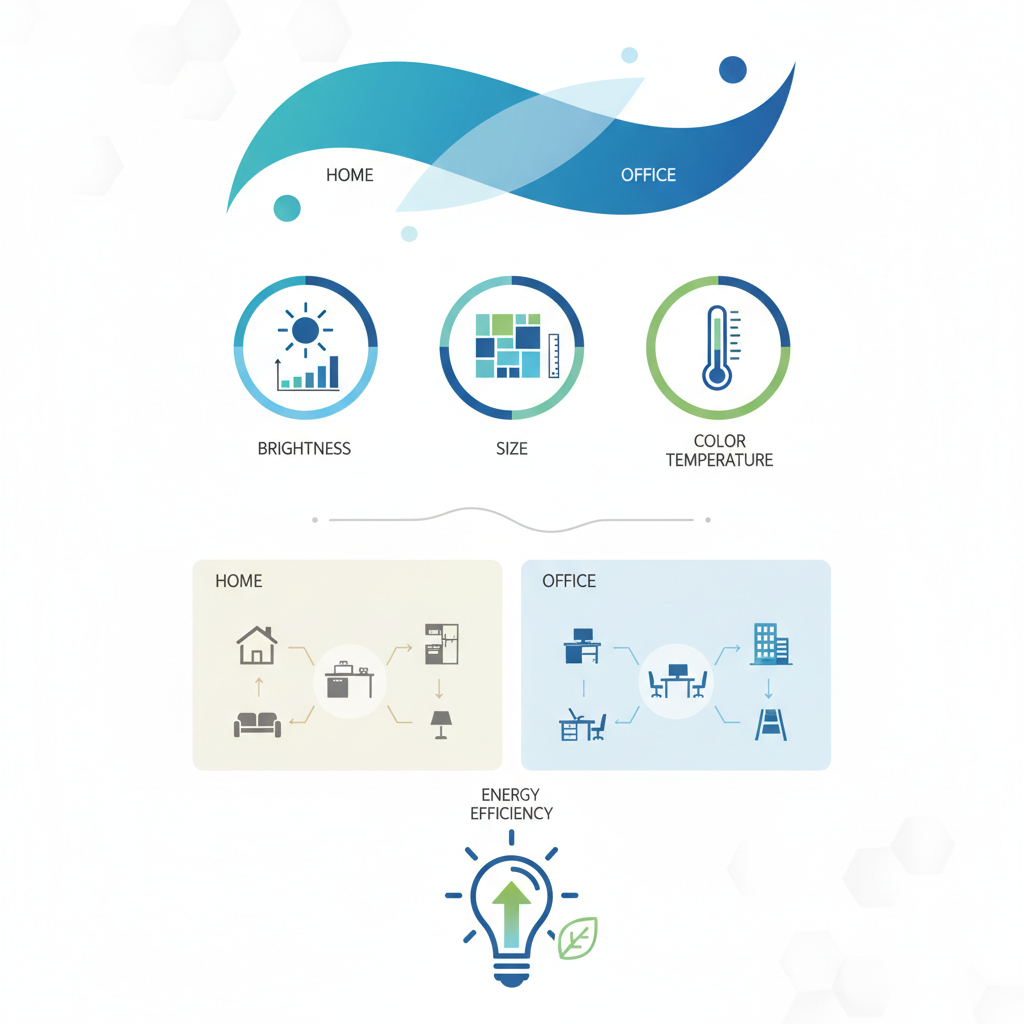
When considering LED panel lights, it's essential to evaluate factors such as brightness, size, and color temperature to ensure that the lighting complements your environment effectively. Additionally, understanding the layout of your space and the specific lighting needs can help narrow down your choices. Whether you are looking to create a vibrant workspace or a calming home atmosphere, the right LED panel lights can play a crucial role in achieving your desired aesthetic and functionality.
This guide aims to simplify the decision-making process by outlining key considerations and tips for selecting the best LED panel lights for your needs.
Understanding LED Panel Lights: Benefits and Features
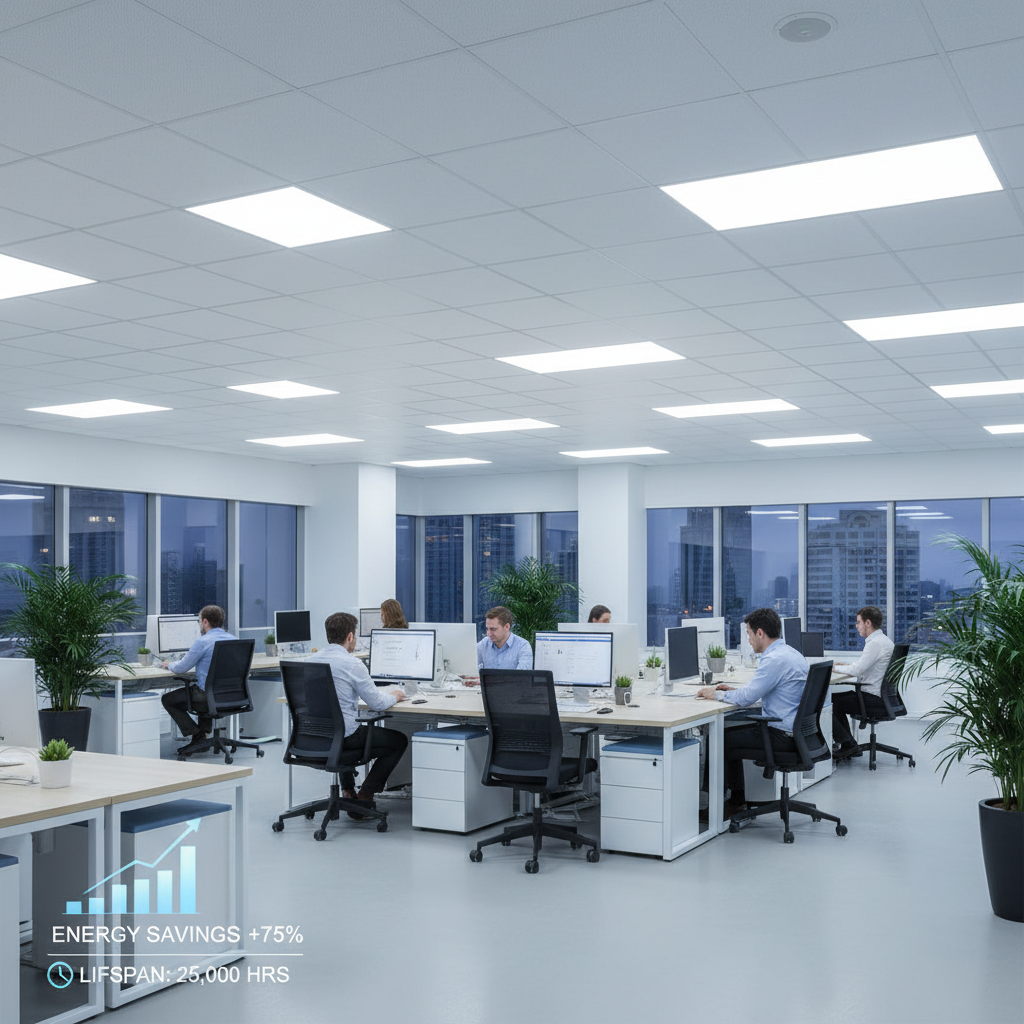
LED panel lights have become a popular choice for both home and office lighting due to their numerous benefits and features. One key advantage is energy efficiency; according to the U.S. Department of Energy, LED lighting uses at least 75% less energy than traditional incandescent lighting, resulting in substantial cost savings on electricity bills. Additionally, LED panel lights have a longer lifespan, averaging around 25,000 hours, which significantly reduces the frequency of replacements and maintenance efforts.
When choosing LED panel lights, consider factors such as brightness (measured in lumens), color temperature, and size. A brightness level of 3000-4000 lumens is ideal for general lighting in offices, while warmer tones around 2700K-3000K can create a more inviting atmosphere in homes.
**Tips**: Always check the lumens per watt (LPW) ratio to gauge efficiency—look for lights that provide at least 80 LPW for optimal performance. Also, consider dimmable LED panels for flexibility in adjusting the ambiance according to your needs. Lastly, ensure the products comply with Energy Star® ratings to guarantee quality and efficiency.
Key Factors to Consider When Choosing LED Panel Lights
When choosing LED panel lights for your home or office, several key factors should be taken into account to ensure you select the most suitable option. First and foremost, consider the brightness measured in lumens. According to the U.S. Department of Energy, LED lights can produce up to 100 lumens per watt, which means that an equivalent output to traditional bulbs can be achieved with significantly lower power consumption. For an office space, a range of 300-500 lumens per square meter is generally recommended to create a well-lit environment conducive to productivity.
Another critical aspect is the color temperature of the LED panel lights. Different color temperatures, measured in Kelvin (K), can influence both mood and productivity. Research by the International WELL Building Institute suggests that a color temperature of around 4000K to 5000K is optimal for office settings, as it mimics natural daylight and enhances alertness. Additionally, the quality of light should not be overlooked; selecting models with a high Color Rendering Index (CRI) above 80 ensures that colors appear more vibrant and true to life, which is particularly important in environments where visual tasks are performed. Balancing these factors will guide you in selecting the perfect LED panel lights tailored for your specific needs.
Comparing Different Types of LED Panel Lights Available
When it comes to choosing the best LED panel lights for your home or office, it's essential to compare the different types available in the market. LED panel lights come in various shapes, sizes, and functionalities, which can significantly impact your space's ambiance and energy efficiency. For instance, edge-lit panels provide a slim design perfect for modern aesthetics, while back-lit panels deliver uniform light distribution, making them ideal for larger areas.
Tips: Consider the color temperature of the light, as it can influence the mood of a room. A cooler temperature (above 4000K) is often more suitable for work environments, promoting alertness, while warmer temperatures (below 3000K) create a cozy atmosphere for living spaces. Additionally, pay attention to the brightness measured in lumens to ensure the panels meet your specific lighting needs.
When comparing panels, look for features like dimmable options or smart technology compatibility, which allow for more control over your lighting setup. Take into account the installation method—some panels are designed for drop ceilings, while others are surface-mounted. Understanding these differences will help you make an informed decision tailored to your space's requirements.
How to Choose the Best LED Panel Lights for Your Home or Office
| Type of LED Panel Light |
Lumen Output |
Color Temperature |
Dimmer Compatibility |
Installation Type |
Average Lifespan |
| Edge-Lit LED Panels |
3000 - 5000 Lumens |
3000K - 6500K |
Yes |
Recessed/Surface |
50,000 Hours |
| Backlit LED Panels |
4000 - 6000 Lumens |
4000K - 5000K |
No |
Recessed/Surface |
50,000 Hours |
| Tri-Color LED Panels |
3500 - 5500 Lumens |
3000K, 4000K, 5000K |
Yes |
Recessed/Surface |
50,000 Hours |
| Smart LED Panels |
3000 - 6500 Lumens |
2000K - 6500K |
Yes |
Recessed/Surface |
50,000 Hours |
Tips for Installation and Maintenance of LED Panel Lights
When selecting LED panel lights for installation at home or in an office, understanding the installation and maintenance processes is vital for maximizing their efficiency and lifespan. Proper installation involves ensuring that the fixtures are correctly wired and securely mounted, as inadequate installation can lead to flickering or early failure of the lights. According to industry data, well-installed LED fixtures can last up to 50,000 hours, which translates to more than a decade of regular use. Additionally, maintaining these lights—such as regularly cleaning the panels to prevent dust accumulation—can enhance both brightness and performance.
Furthermore, it’s crucial to consider the power consumption rates of LED panel lights, particularly when aiming to reduce energy costs. On average, upgrading to LED lighting can save homeowners and businesses approximately 75% on energy bills compared to traditional lighting solutions. Small adjustments, like dimming features or placing panel lights in optimal locations, can further decrease electricity usage. As we approach colder seasons, ensuring that the surrounding environment is well-equipped for any eventual impact on power supply will contribute to ongoing efficiency, allowing fixtures to perform consistently.
Cost Analysis: Budgeting for Your LED Panel Lighting Needs
When budgeting for LED panel lighting, it’s essential to first evaluate your needs and the space you’re illuminating. Consider the size of the area, the desired brightness (measured in lumens), and the color temperature that suits your environment. LED panels come in various sizes and styles, and prices can vary based on these factors. Generally, you can expect to spend anywhere from $30 to $100 per panel, depending on features like dimming capabilities and energy efficiency ratings.
Additionally, factor in installation costs, which can add to your overall budget, especially if you opt for professional help. If you’re doing the installation yourself, ensure you have the necessary tools and electrical knowledge. Also, remember to account for long-term savings; while initial costs may seem high, LED lights typically have a longer lifespan and lower energy consumption compared to traditional lighting options, ultimately providing cost savings on your electricity bill over time.