Why Choose Industrial LED Lighting for Your Business Solutions?
In today's competitive business environment, making informed choices is crucial. One significant decision many companies face involves lighting solutions. Industrial LED lighting stands out for its efficiency and reliability. This technology not only reduces energy costs but also enhances workplace safety.
Businesses benefit from the longevity of industrial LED lighting. Traditional bulbs often burn out quickly, leading to frequent replacements. In contrast, LEDs can last far longer, saving both time and resources. This extended lifespan translates into fewer disruptions for employees, allowing them to focus on their tasks effectively.
However, not all LED solutions are created equal. It's essential to choose high-quality products tailored to specific industrial needs. Inadequate lighting can lead to accidents or decreased productivity. The investment in industrial LED lighting must be approached carefully, reflecting on both immediate and long-term benefits. Companies should weigh their options, considering the importance of dependable lighting in any industrial setting.
Benefits of Industrial LED Lighting for Business Operations
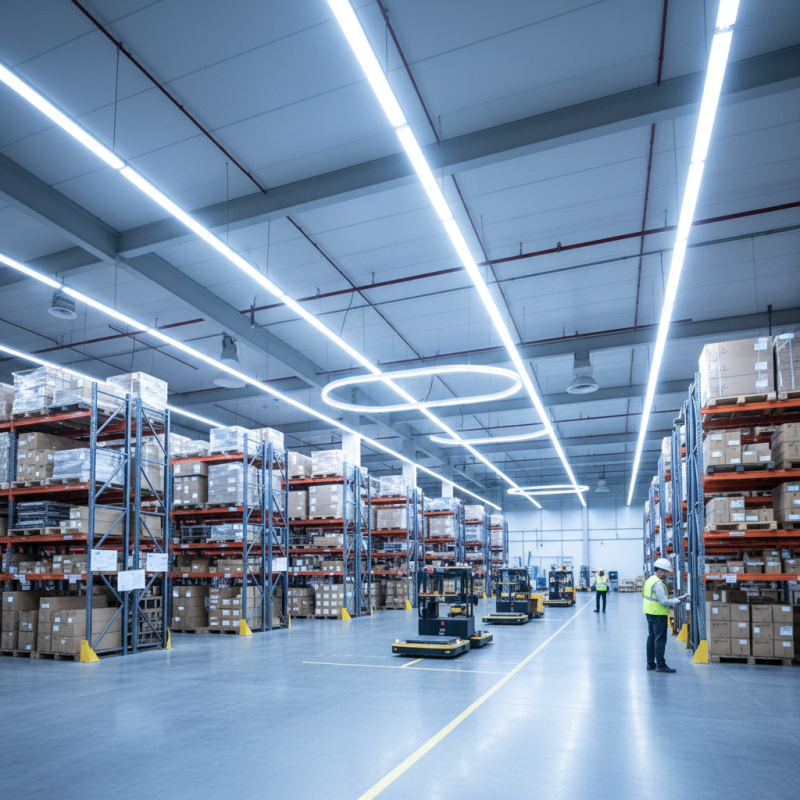
Industrial LED lighting offers numerous advantages for business operations.
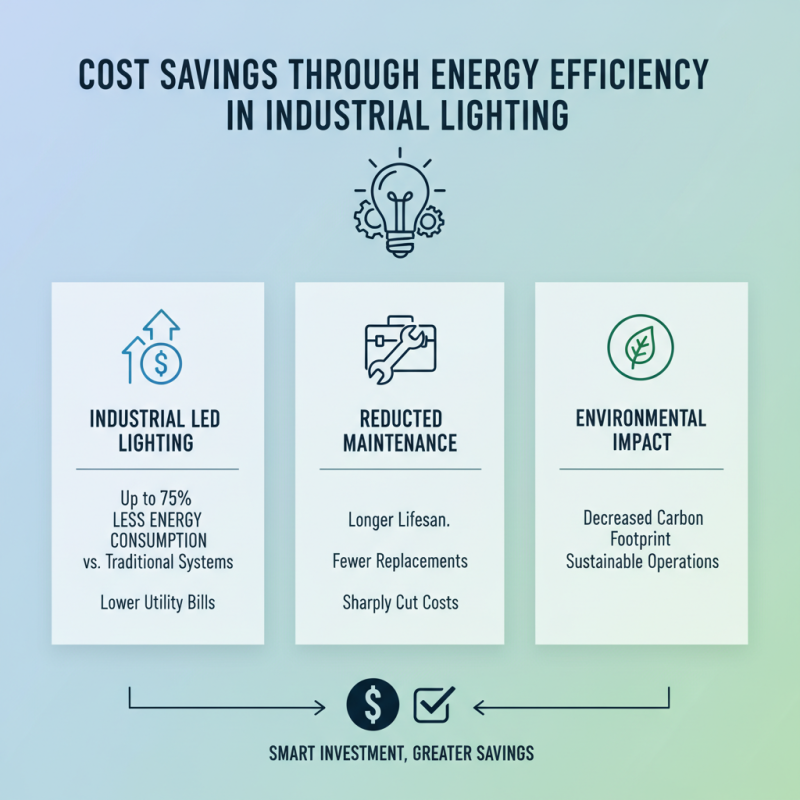
One significant benefit is energy efficiency. LEDs consume up to
75% less energy than traditional lighting. This reduction can lead to
substantial savings on utility bills. Businesses can reinvest these savings in other critical areas. Improved energy efficiency
also reduces carbon footprints, aligning with sustainability goals.
Enhanced visibility is another vital feature. Industrial environments often require
bright, clear lighting for safety and productivity. LEDs provide consistent brightness without flickering, minimizing eye strain.
Workers are likely to feel more focused and less fatigued. This can lead to higher output and reduced error rates. Good lighting
promotes a better atmosphere.
Tips for implementing LED lighting include assessing your specific needs.
Consider the layout and tasks performed in your space. Dimming options can also improve flexibility. Regularly evaluate the lighting's
effectiveness. Make adjustments to optimize performance as your business evolves. A well-lit environment can transform daily operations
and boost overall morale.
Cost Savings through Energy Efficiency in Industrial Lighting
Industrial LED lighting has emerged as a top choice for businesses seeking to enhance energy efficiency. Reports indicate that LED lights consume up to 75% less energy than traditional lighting systems. This notable reduction not only translates to lower utility bills but also decreases the frequency of replacements, sharply cutting maintenance costs.
Implementing LED technology can lead to significant savings over time. A study by the U.S. Department of Energy found that converting to LED lighting could save companies an average of $100,000 per year in energy costs. This efficiency doesn't compromise quality; in many cases, LEDs provide better illumination, which can improve workplace safety and productivity.
Tips for maximizing energy efficiency:
- Assess the specific lighting needs of your facility before making a switch.
- Consider smart lighting controls that adjust brightness based on occupancy, further saving energy.
- Regularly evaluate your energy consumption to identify additional savings opportunities.
While there are numerous advantages, transitioning to LED may have upfront costs. Companies need to weigh these against long-term savings. Understanding your operational budget and evaluating potential return on investment is crucial.
Enhancing Workplace Safety and Visibility with LED Solutions
In the modern workplace, safety and visibility are paramount. Industrial LED lighting plays a crucial role in enhancing both. Reports indicate that proper lighting can reduce workplace accidents by up to 30%. The right illumination not only improves visibility but also increases worker confidence, leading to higher productivity.
Consider the importance of light color and intensity. LEDs offer a range of temperatures. A cooler light can help workers stay alert. This helps maintain focus during long hours. Studies show that employees are 20% more productive in well-lit environments.
Tips for implementation: Use motion sensors to save energy. Adjust light levels based on tasks. Always involve staff in light assessments; their comfort is key. Keep in mind that poor lighting may still exist in some areas. Regular audits of lighting effectiveness can uncover these flaws. Embrace a culture of continuous improvement in your lighting approach.
Environmental Impact of Switching to LED Lighting in Industry
Switching to LED lighting in industrial settings has significant environmental benefits. According to a report from the U.S. Department of Energy, LED lights can use up to 75% less energy than traditional lighting options. This reduction leads to lower carbon emissions, which is crucial in combating climate change. The transition to LED can also lead to a decrease in hazardous waste. Unlike fluorescent bulbs, LEDs do not contain mercury, making disposal safer and more efficient.
Energy savings translate directly into lower operational costs. A study from the International Energy Agency indicates that businesses can save up to $100 billion per year globally by switching to LED. These savings can free up capital for other essential investments. It's also noteworthy that LEDs have a longer lifespan, often lasting up to 25,000 hours. This longevity means fewer replacements, further minimizing waste.
Tip: Conduct an energy audit to identify areas for improvement. Understanding specific lighting needs can optimize the benefits of LEDs.
While the benefits are clear, barriers exist. Initial installation costs can deter businesses from making the switch. However, incentives and rebates can significantly reduce these expenses. Reflection on the long-term savings and sustainability can encourage decision-makers to embrace this change for better environmental impact.
Why Choose Industrial LED Lighting for Your Business Solutions? - Environmental Impact of Switching to LED Lighting in Industry
| Industry |
Annual Energy Consumption (kWh) |
LED Lighting Energy Savings (%) |
CO2 Emissions Reduction (tons/year) |
Payback Period (years) |
| Manufacturing |
500,000 |
60% |
150 |
2 |
| Warehousing |
300,000 |
50% |
75 |
1.5 |
| Retail |
200,000 |
40% |
30 |
1 |
| Food Processing |
600,000 |
55% |
165 |
2.5 |
| Construction |
400,000 |
65% |
130 |
3 |
Factors to Consider When Choosing LED Lighting for Your Business
When choosing LED lighting for your business, several factors come into play. One key aspect is energy efficiency. Studies show that LED lights consume up to 75% less energy than traditional lighting options. This significant reduction can lead to lower utility bills and a smaller carbon footprint.
Next, consider the durability of LED fixtures. They tend to last up to 25,000 hours, far exceeding the lifespan of incandescent bulbs, which average around 1,000 hours. This longevity means fewer replacements, saving both time and money. However, some may find that their initial costs can be higher than other options.
Tips: Always check the lumens per watt ratio. Higher values indicate greater efficiency. Also, be mindful of color temperature. A range between 3000K to 5000K often suits commercial environments best.
Lastly, look into the dimming capabilities of your chosen LED lighting. Dimmable options can provide flexibility for different tasks and significantly enhance atmosphere. Be cautious, though, as not all fixtures are compatible with dimmers, which may lead to frustration in your work environment.