How to Choose LED High Bay Lights for Optimal Performance and Efficiency
When it comes to illuminating large spaces such as warehouses, factories, and gymnasiums, choosing the right lighting solution is crucial for both performance and efficiency. LED high bay lights have emerged as a top choice for these environments due to their ability to deliver powerful illumination while minimizing energy consumption. However, selecting the appropriate LED high bay lights requires careful consideration of various factors that influence their effectiveness.
In this guide, we will explore the essential aspects of choosing LED high bay lights that maximize performance in large areas. We'll discuss how factors such as light output, color temperature, and energy efficiency play a significant role in achieving optimal visibility and cost savings. By understanding these key elements, facility managers and property owners can make informed decisions that enhance productivity while reducing operational costs. Ultimately, selecting the right LED high bay lights not only transforms the lighting quality of a space but also contributes to a more sustainable approach to energy use.
Understanding LED High Bay Lights: Key Features and Benefits
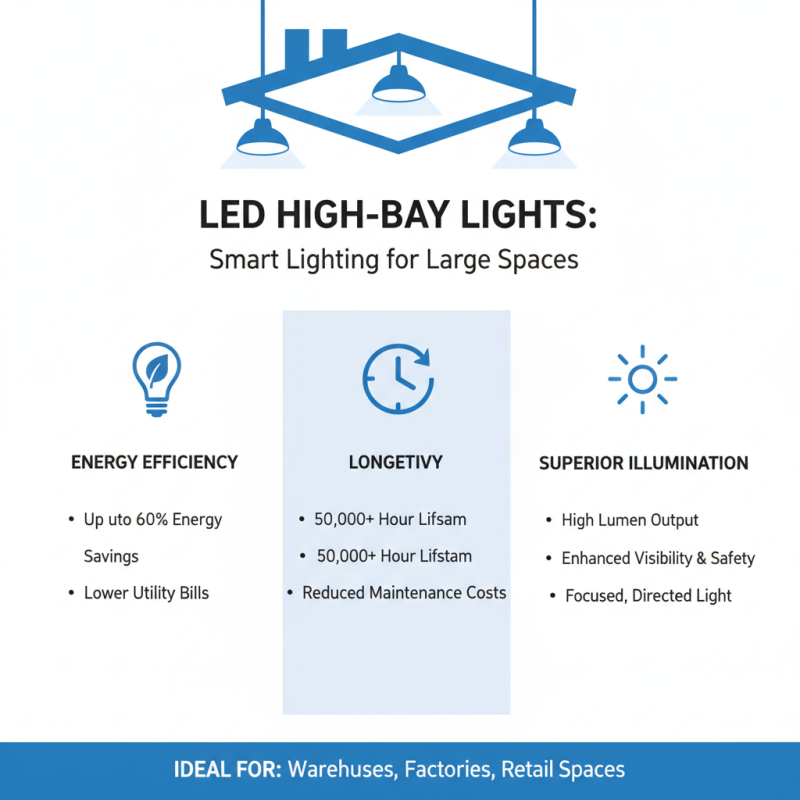
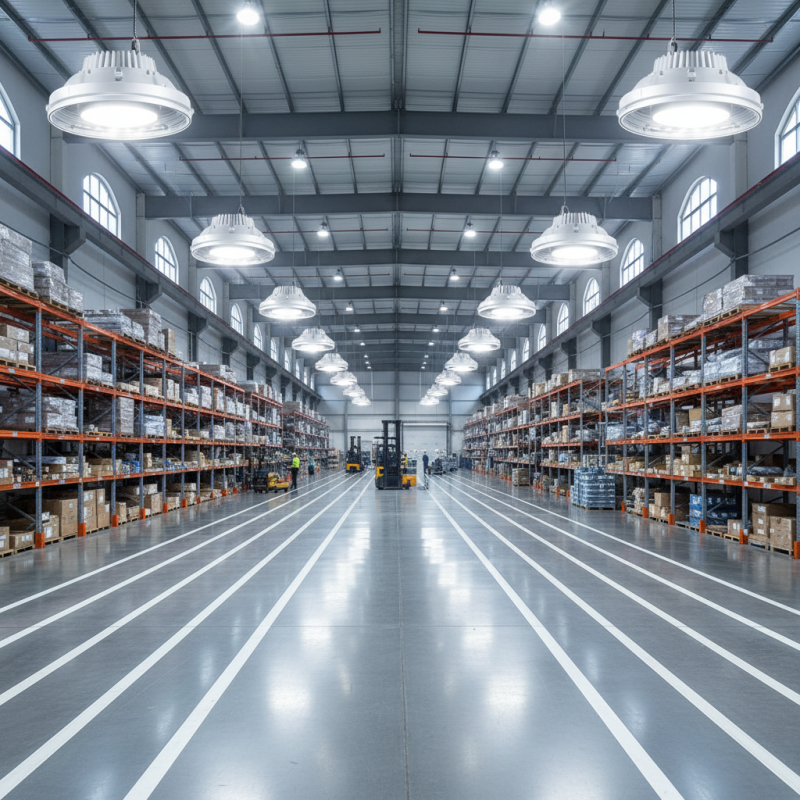
LED high bay lights have become a popular choice for warehouses, factories, and retail spaces due to their remarkable energy efficiency and longevity. One of the key features of these lights is their high lumen output, which allows for increased visibility in large spaces. This makes them ideal for areas requiring bright, consistent lighting without the frequent need for replacements typical of traditional lighting solutions. The ability to direct light effectively also reduces wasted illumination, ensuring that light is focused where it is needed most.
Another significant benefit is their low heat emission compared to fluorescent or incandescent options. This not only improves the overall temperature control of the space but also minimizes cooling costs, thereby enhancing energy savings. Additionally, LED high bay lights typically come with various options for color temperature, allowing users to select a light tone that best suits their operational needs or creates the desired ambiance. Coupled with smart controls and dimming capabilities, these features enhance energy efficiency while maintaining optimal performance in dynamic environments.
Evaluating Lumen Output: How Much Light Do You Need?
When selecting LED high bay lights, evaluating lumen output is crucial to achieving optimal performance and efficiency. Lumen output measures the total amount of visible light emitted by a light source, and understanding this metric helps determine how much light is necessary for your specific application. For warehouses, gymnasiums, and manufacturing facilities, adequate illumination not only enhances visibility but also improves safety and productivity.
To assess your lumen requirements, consider the size of your space and the activities occurring within it. A general guideline is to calculate the total lumens needed by multiplying the area of the space (in square feet) by the appropriate foot-candle level, which varies depending on the function of the area. For instance, a warehouse may require around 10 to 30 foot-candles, while a retail space may need 50 to 100 foot-candles for optimal visibility of products. By understanding these parameters, you can make informed decisions, ensuring the lighting not only meets the necessary standards but also promotes efficiency and comfort in the environment.
Comparative Lumen Output of LED High Bay Lights
Choosing the Right Color Temperature for Your Space
When choosing LED high bay lights, the color temperature is a crucial factor that can significantly impact the ambiance and functionality of a space. Color temperature is measured in Kelvin (K), and different ranges can create varying atmospheres. For instance, a cooler white light, typically in the range of 5000K to 6500K, is ideal for environments that require high visibility and alertness, such as warehouses and manufacturing facilities. This bright light mimics daylight, enhancing visibility and reducing eye strain, which is essential in spaces where precision Work and safety are paramount.
Conversely, warmer color temperatures, around 3000K to 4000K, can create a more inviting and comfortable atmosphere, often suitable for retail spaces, gyms, or areas where people gather and socialize. The softer, golden light helps to create a sense of warmth and relaxation, making it an excellent choice for environments focused on customer experience. It's essential to consider the purpose and function of the space when selecting the color temperature. The right choice can enhance productivity, safety, and overall satisfaction in any environment, ensuring that the LED high bay lights not only fulfill their technical role but also contribute positively to the ambiance.
How to Choose LED High Bay Lights for Optimal Performance and Efficiency - Choosing the Right Color Temperature for Your Space
| Color Temperature (K) |
Best Uses |
Examples of Settings |
Advantages |
| 3000K |
Warm and Cozy Environment |
Retail, Restaurants, Lounges |
Creates a welcoming atmosphere |
| 4000K |
Neutral and Versatile Lighting |
Offices, Classrooms, Showrooms |
Balanced lighting for productivity |
| 5000K |
Bright and Natural Light |
Warehouses, Manufacturing, Parking Lots |
Highlights details and improves visibility |
| 6000K |
Cool and Bright Light |
Industrial Settings, High Ceilings |
Enhances focus and reduces eye strain |
Energy Efficiency Ratings: Importance of Efficacy in Lumens per Watt
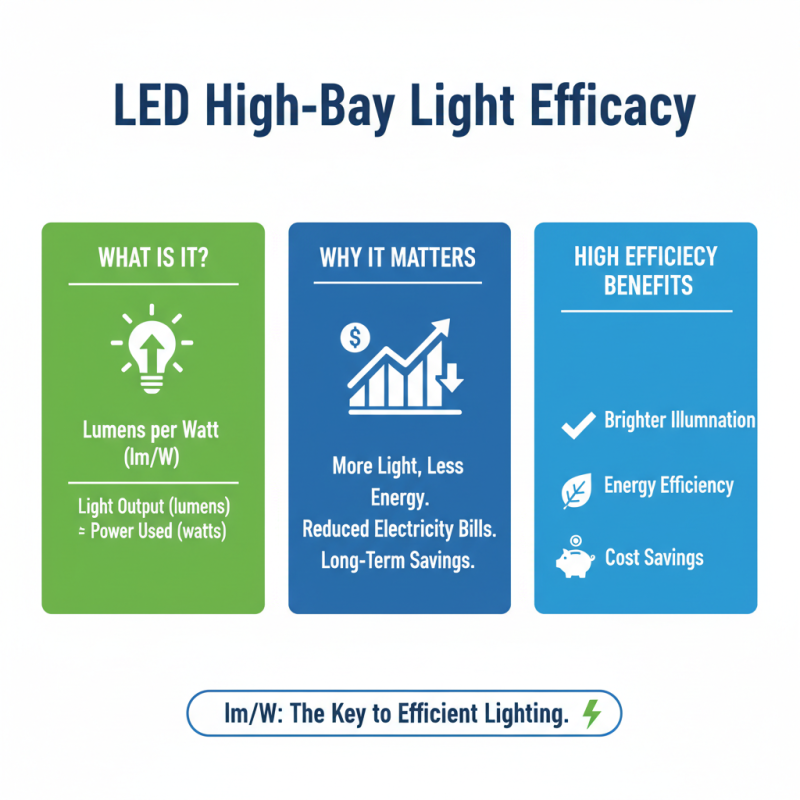
When selecting LED high bay lights, understanding energy efficiency ratings is crucial. One of the primary metrics for assessing these lights is their efficacy, which is measured in lumens per watt (lm/W). This rating indicates how much light is produced for each watt of electricity consumed, serving as a direct correlation between energy consumption and light output. High efficacy ratings mean that the fixture provides more light while using less energy, leading to significant savings on electricity bills over time.
In addition to cost savings, choosing LED high bay lights with high efficacy contributes to a more sustainable environment. By consuming less power, these lights can reduce the overall carbon footprint associated with energy production. Furthermore, with advancements in LED technology, newer models often boast improved efficacies, providing an opportunity to achieve both high visibility and energy efficiency simultaneously. When evaluating options for high bay lighting, focusing on lumens per watt not only ensures optimal performance but also promotes long-term energy conservation.
Installation Considerations: Mounting Options and Height Requirements
When selecting LED high bay lights, understanding installation considerations, especially mounting options and height requirements, is crucial for achieving optimal performance and efficiency.
The mounting options typically include surface mounting, pendant mounting, or chain hanging, each catering to different types of ceilings and installation environments. Surface mounting is often used in lower spaces, while pendant mounting allows for better light distribution in taller areas. Chain hanging can provide flexibility in adjusting the light's height, making it suitable for applications with varying ceiling dimensions.
Height requirements play a vital role in ensuring that the light fixtures provide adequate illumination. For typical warehouses or industrial settings with high ceilings, mounting lights at a height of 15-25 feet is common, as this ensures an even spread of light while minimizing shadow effects. In contrast, for spaces with lower ceilings, such as retail stores, a mounting height of 10-15 feet may be appropriate. It is essential to avoid mounting lights too high, as this can reduce their efficiency and efficacy in illuminating the space. Properly assessing the ceiling height and choosing the right mounting option not only enhances visibility but also maximizes energy savings, ensuring that the LED high bay lights perform at their best.