How to Choose the Best LED Flood Lights for Your Needs?
When it comes to enhancing outdoor spaces, LED flood lights stand out as a vital choice. Choosing the right lights can be daunting. Experts like John Smith, a lighting designer with over a decade of experience, emphasize, "Proper lighting transforms a space entirely." His insight highlights the importance of selecting the right LED flood lights for various needs.
Consider the brightness, color temperature, and beam angle. These factors impact how well your space is illuminated. For example, a warm white light creates a cozy atmosphere, while a cool white light enhances visibility. However, many tend to overlook these details. They focus solely on the wattage, which can lead to poor lighting choices.
In addition, quality matters. Cheaper options might save money upfront, but they often lack durability. In this industry, longevity can’t be compromised. Attention to detail in your selections ensures effectiveness and satisfaction. Reflect on your specific needs. This reflection is crucial to avoid common pitfalls. The right LED flood lights can elevate your environment significantly.
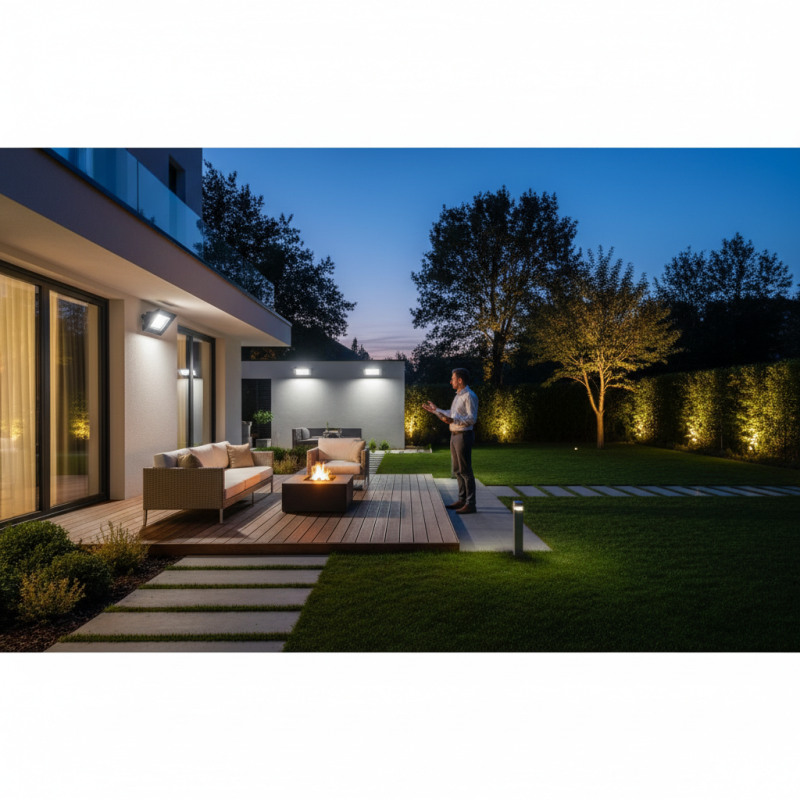
Understanding LED Flood Lights: Features and Advantages
LED flood lights are gaining popularity for many reasons. They are energy-efficient and provide bright illumination. These lights are versatile and can be used in various settings. From outdoor events to security lighting, their applications are numerous. Also, they come in different designs and sizes. This makes it easier to find one that suits your needs.
One significant advantage of LED flood lights is their long lifespan. They often last longer than traditional bulbs. This feature can reduce maintenance costs over time. However, not all LED lights are equally efficient. It's essential to check lumens and wattage to ensure you are getting the right brightness for your space. Many users overlook this, leading to inadequate lighting.
Another aspect to consider is color temperature. Some may prefer a cooler light, while others may like a warmer tone. Your choice can affect the atmosphere of a space. It’s worth experimenting with different options. It can be helpful to visit a showroom or check online samples before deciding. Ultimately, choosing the right LED flood light involves understanding your specific needs and preferences.
How to Choose the Best LED Flood Lights for Your Needs?
| Feature |
Description |
Advantages |
| Lumen Output |
Brightness of the light measured in lumens. |
Higher lumens mean brighter light, which is ideal for security and outdoor areas. |
| Wattage |
Power consumption of the LED flood light. |
Lower wattage means energy savings, while still providing high brightness. |
| Color Temperature |
Measured in Kelvin (K), indicates the color of the light. |
Choose warmer temperatures for cozy spaces and cooler for security and visibility. |
| Durability |
Resistance to weather elements (IP rating). |
Higher ratings provide greater reliability in harsh conditions. |
| Beam Angle |
Angle at which light is dispersed from the light source. |
Wider angles cover larger areas; narrow angles focus on specific points. |
| Installation Type |
Mounting options vary (e.g., wall, pole, ground). |
Flexibility in mounting to suit different applications. |
Assessing Your Lighting Needs: Purpose and Placement Considerations
When considering LED flood lights, start by assessing your specific needs. Think about the location where the lights will be installed. Will they illuminate a backyard, a driveway, or perhaps an outdoor sports area? Each space has different lighting requirements. For open areas, a wider beam may be necessary, while smaller spaces might benefit from focused lighting.
Next, consider the purpose of the flood lights. Are they intended for safety, security, or aesthetic appeal? If they are for security, brightness is key. A higher wattage can help deter intruders. For ambiance, softer lighting may create a welcoming atmosphere. Sometimes, finding the balance between brightness and warmth can be tricky. You may discover that the brightness overshadows the cozy feel you want.
Lastly, think about the placement of the lights. Mounting height can significantly impact the effectiveness. A light too high may leave dark corners, while one placed too low can cause glare. Experimentation is often needed. Trying different angles and heights might lead to unexpected results. It’s a process of trial and error that can help you get the perfect setup. Don't shy away from making adjustments as you go.
Key Specifications to Consider: Lumens, Watts, and Beam Angle
When choosing the best LED flood lights, understanding key specifications is crucial. Lumens measure brightness. A higher lumen count means more light output. For example, if you need to illuminate a large area, aim for lights with over 3,000 lumens. On the other hand, for smaller spaces, around 1,000 to 2,000 lumens may suffice. The brightness impacts visibility and enhances safety at night.
Watts indicate energy consumption. Lower wattage often suggests better efficiency. However, not all LED lights are created equal. You may find a 30-watt LED that outshines a 100-watt traditional bulb. It’s essential to compare their output. Check the lumens per watt ratio; this offers insight into performance.
Beam angle should not be overlooked. A narrow beam angle provides focused light, ideal for spotlighting. Conversely, a wide beam angle spreads light over a larger area. Think about your specific needs. Are you lighting a driveway or a backyard patio? Each situation requires different lighting strategies. Take time to reflect on how you plan to use your flood lights.
Energy Efficiency and Lifespan: Evaluating Cost vs. Performance
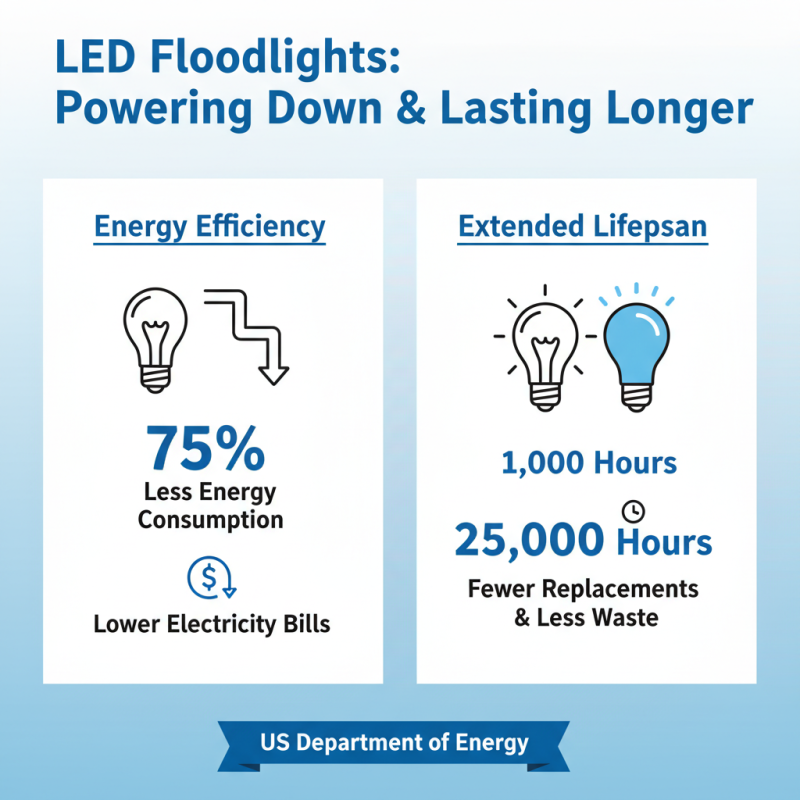
When evaluating LED flood lights, energy efficiency is a key factor. They consume up to 75% less energy than traditional options. This significant reduction can lead to lower electricity bills, making them cost-effective over time. According to the U.S. Department of Energy, LED lights have a lifespan of about 25,000 hours, compared to only 1,000 hours for incandescent bulbs. This longevity results in fewer replacements and less waste.
However, initial costs may provoke consideration. High-quality LED flood lights can have a higher upfront price. For some, this is a barrier. Yet, the long-term savings can outweigh initial investments. A study by the National Renewable Energy Laboratory indicates that switching to LED can offer a return on investment within a few years. It's important to perform a cost-benefit analysis.
Consider installation costs as well. Poor installation can decrease light efficiency. On a larger scale, poorly chosen options can cause increased electricity usage. This decision should not be rushed. Investigating local rebates and incentives for energy-efficient lighting is crucial. Each environment is unique, necessitating specific evaluations for optimal performance.
Selecting the Right Brand and Warranty: What to Look For
Choosing the right brand for LED flood lights can be tricky. You want quality and reliability. Look for reputable brands with a solid track record. This often translates to better performance.
Warranty is another important factor. A good warranty can provide peace of mind. Check the duration and what it covers. Some brands may offer limited coverage, which is a red flag.
Tips: Always read customer reviews. They provide insights that specs alone can't. Compare warranties from different manufacturers. This helps identify which brands stand behind their products. Pay attention to return policies, too. A flexible policy indicates confidence in their flood lights.