How to Choose the Best LED Panel Lights for Your Home?
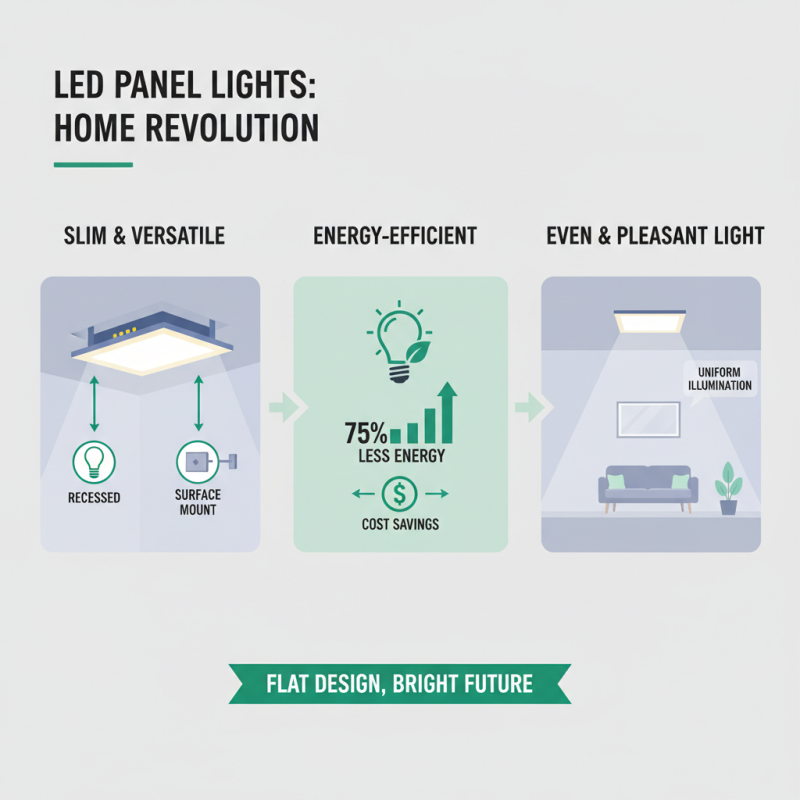
When selecting LED panel lights for your home, several factors must be considered. LED panel lights are increasingly popular because they provide efficient illumination. According to a study by the Department of Energy, LED lighting can use up to 75% less energy than traditional incandescent bulbs. This dramatic reduction in energy usage leads to significant savings on electricity bills.
Moreover, the design of LED panel lights offers versatility in various settings. They can fit seamlessly into ceilings or be mounted to walls. The market has seen a surge, with LED panel lights expected to reach $6 billion by 2025. This growth indicates a shift towards smarter home solutions. However, how can one choose the right product from this expanding array?
Often, consumers face challenges in identifying the best options. Many products have similar claims, making it difficult to compare features. Understanding color temperature, lumen output, and energy efficiency ratings is crucial. Small details may seem insignificant but can greatly affect overall satisfaction. With careful consideration, you can illuminate your home beautifully and efficiently with LED panel lights.
Understanding the Basics of LED Panel Lights
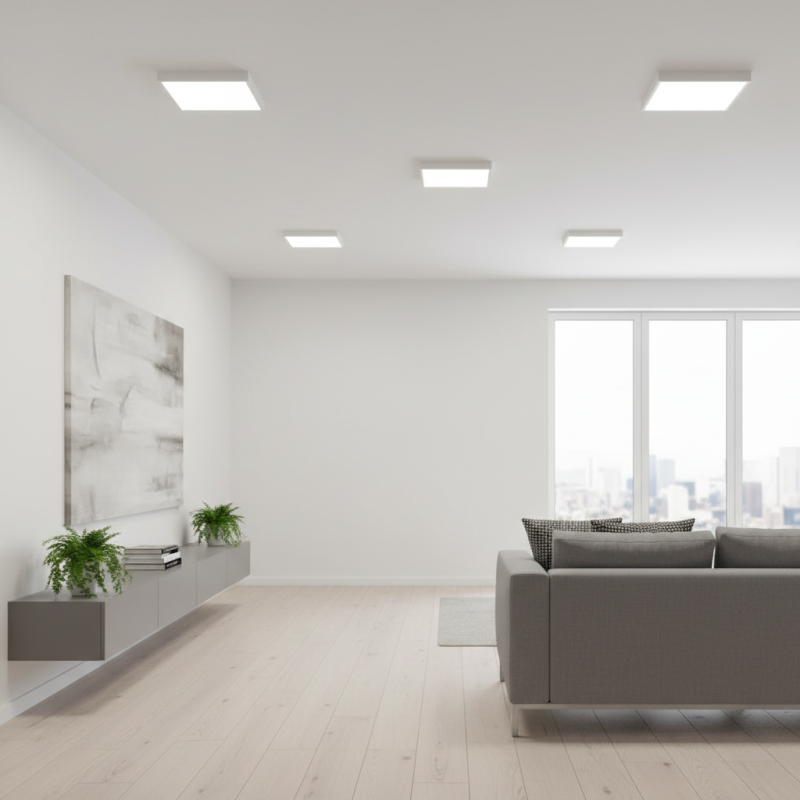
LED panel lights have revolutionized home lighting. They are slim, versatile, and energy-efficient. Understanding how they work is key to making a good choice. These lights are flat, typically rectangular or square, and can be mounted or recessed. They distribute light evenly, creating a pleasant atmosphere.
Choosing the right LED panel lights can be overwhelming. Here are some tips to simplify your selection. Consider your space’s size. Brightness is essential, but too much can be harsh. Aim for a balance that suits your needs. Measure your ceiling height; this impacts how bright your panels should be. Look for options with adjustable brightness. They offer flexibility for different activities.
Think about the color temperature you want. Cooler temperatures are great for workspaces. Warmer tones create a cozy ambiance in living areas. However, you might find certain colors unsatisfactory at times. It's useful to experiment before deciding. Lastly, check the panel's energy efficiency ratings. Higher ratings usually mean lower electricity bills. Keep these tips in mind while shopping. They can help you avoid common pitfalls and make a better choice for your home.
Identifying the Right Brightness and Color Temperature
When selecting LED panel lights, brightness and color temperature are key factors. Brightness is measured in lumens. A standard living room typically requires around 100-150 lumens per square meter. If you aim for a cozy atmosphere, consider lower brightness levels. For tasks like reading or cooking, brighter options are better.
Color temperature affects the mood of a space. It is measured in Kelvins (K). Warm white light, around 2700K to 3000K, creates a comfortable and inviting environment. Cool white light, around 4000K to 5000K, promotes alertness and is suitable for workspaces. The wrong choice can make a room feel either too harsh or too dim.
Tips: Always test lights before making a decision. Consider how different temperatures influence your space. Don’t forget about dimmable options. They provide flexibility for varying needs. Some may struggle with the starkness of cool lighting, preferring warmth. Others may find warm lighting insufficient for tasks. Reflect on your needs. Each space has unique requirements that deserve a tailored approach.
Assessing the Size and Design of LED Panel Lights
When choosing LED panel lights for your home, size and design play a crucial role. A study by the Lighting Research Center revealed that the right size of a panel can enhance lighting efficiency by up to 45%. Measure the space where you plan to install the panels before making a decision. Consider standard sizes, such as 1x4 feet or 2x2 feet, to match your ceilings.
Design also impacts the overall aesthetic of your home. A sleek, modern design can complement contemporary interiors. For instance, recessed LED panels can create a clean, streamlined look. However, be cautious. Some panels may not fit flush with your ceiling, leading to unsightly gaps. The choice of color temperature is another aspect to consider. A cooler temperature may offer brighter light, but it can also feel harsh in cozy living spaces. Think about how the light will interact with other decorations.
Moreover, not all panel designs are equal. Some may produce uneven lighting or flicker, which can be distracting. Research user reviews to learn about experiences with specific products. Testing a small panel before full installation could prevent frustrations later. Each room in your home has its own unique needs, so assess carefully before making your final purchase.
Evaluating Energy Efficiency and Lifespan
When selecting LED panel lights, energy efficiency is crucial. LED lights consume significantly less energy compared to traditional bulbs. Typically, LED panels use about 75% less energy. This translates directly to lower electricity bills. However, it's important to know that not all LED lights are created equal. Some may advertise efficiency but do not perform as expected. This can lead to unnecessary costs.
Lifespan is another factor to consider. Quality LED panel lights can last up to 50,000 hours. This long lifespan is appealing. It means fewer replacements and maintenance. However, there can be inconsistencies in lifespan claims. Understanding the warranty can help gauge the product’s reliability. Sometimes, even well-reviewed options can fail much sooner. This is worth pondering before making a final decision.
Finding balance between energy efficiency and lifespan can be challenging. Ask for technical specifications and verify warranty claims. Look into the light’s color temperature and brightness too. These can affect how you perceive the space. A bright white light may feel stark, while a warm tone adds coziness. Testing different options, if possible, can help in making the right choice.
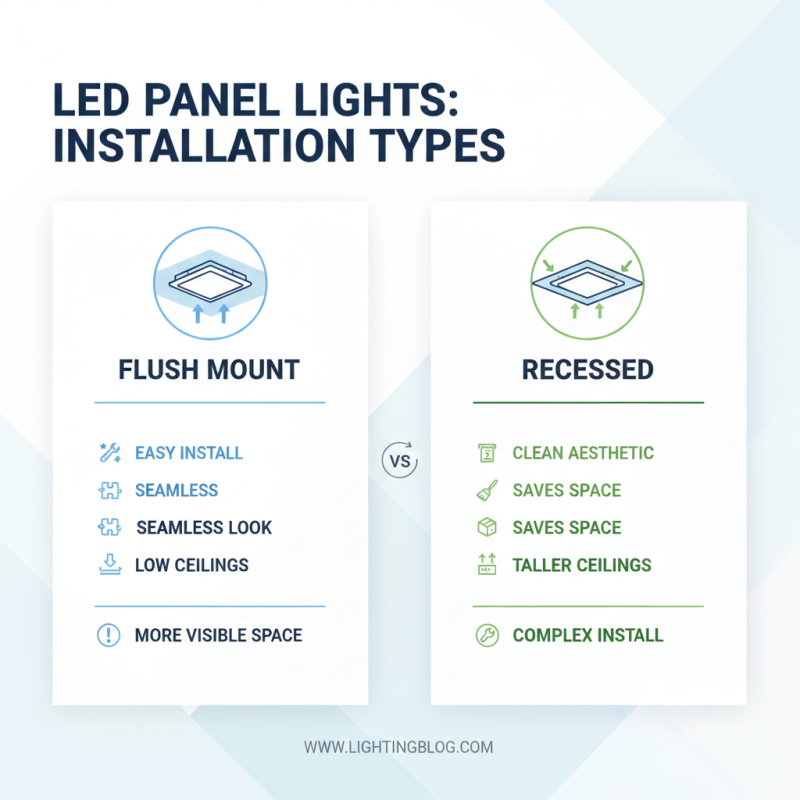
Choosing Between Installation Types: Flush Mount vs. Recessed
When selecting LED panel lights, installation type is crucial. Flush mount and recessed options offer distinct advantages. Flush mount lights are easy to install. They sit directly against the ceiling, creating a seamless look. This feature is great for lower ceilings. However, they can occupy more visible space.
Recessed lighting, on the other hand, is a bit more complex. These lights are embedded into the ceiling, providing a clean and modern appearance. They’re less obtrusive than flush mounts. But installation requires cutting into the ceiling, which can be a daunting task. Not every room may have the adequate depth for recessed fixtures.
Consider your room's purpose when choosing between types. Flush mounts can brighten a dining room effectively. Yet, recessed lights work well in living areas, giving a soft glow. Remember, your choice impacts ambiance and utility. It's essential to reflect on your options. Both styles have their strengths and weaknesses, so take your time.