How to Choose the Best Outdoor Lights for Your Home?
Choosing the right outdoor lights for your home can be a fun yet challenging task. The right lighting can transform your outdoor space, providing both beauty and security. Outdoor lights come in various styles, sizes, and functionalities. With so many options available, making a decision is not always straightforward.
When selecting outdoor lights, consider the atmosphere you want to create. Do you prefer a cozy, inviting feel or a bright, modern look? This choice matters. Think about how the lights will complement your architecture. Sometimes, homeowners underestimate the impact of proper lighting on their property. It's easy to overlook design elements when focusing on functionality.
Quality and durability are also essential. Outdoor lights should withstand the elements. However, many forget to check the materials and weather resistance before installation. Dim lighting might create shadows, leading to safety concerns. Take the time to research energy-efficient options too. While solar lights are appealing, they may lack brightness. Reflect on what truly fits your needs, and don’t rush into a decision.
Understanding Different Types of Outdoor Lighting Solutions
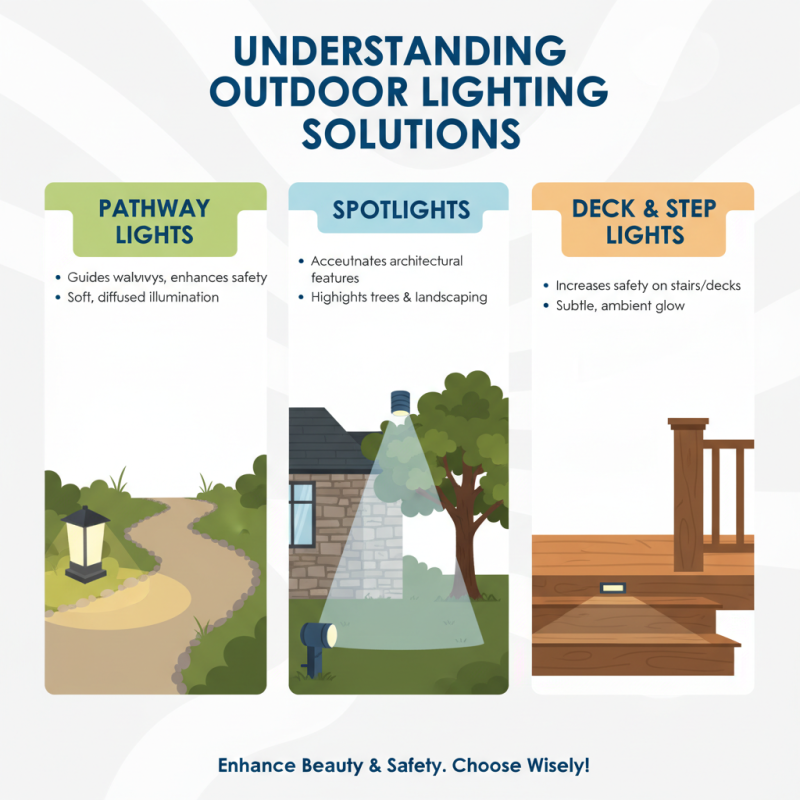
Outdoor lighting can enhance your home’s beauty and safety. Various types of outdoor lighting solutions are available. Each type has its unique features and uses. Understanding these options helps in making informed choices.
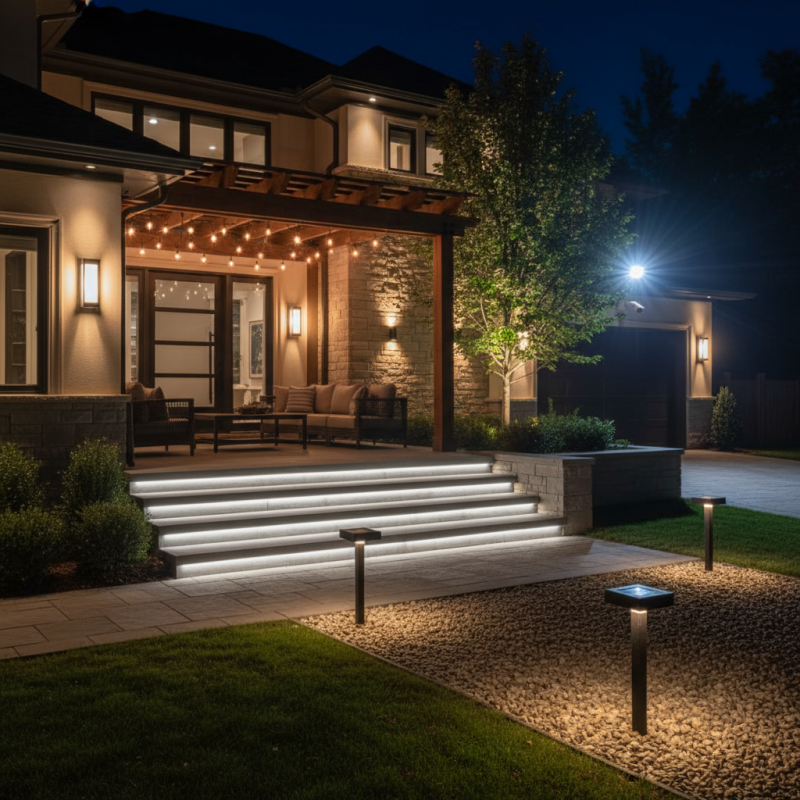
Path lights illuminate walkways and driveways. They are perfect for guiding guests safely to your door. Choose models that suit your home’s style. Wall-mounted lights enhance your home's façade. They create a welcoming atmosphere. However, positioning matters; you don’t want harsh lights glaring into windows.
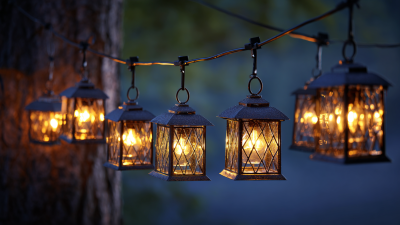
Spotlights can highlight trees or architectural features. They add drama and depth to your garden. String lights offer a whimsical touch. They are ideal for patios or decks. Yet, they require careful installation to avoid tangling. Each type has strengths and weaknesses. Reflect on your needs and the areas you wish to illuminate.
Assessing Your Outdoor Space for Lighting Needs
When assessing your outdoor space, start by identifying key areas that require lighting. Consider pathways, patios, and entryways. These spots often need illumination for safety and ambiance. Check for dark corners that may feel unwelcoming.
**Tips:** Measure the distance between light sources. This helps maintain an even spread of light. You might find some areas still too dim after your first attempt. Don't hesitate to reposition or add more fixtures to brighten those spots.
Next, evaluate the style of your home and outdoor decor. A modern home may benefit from sleek, minimal lights. In contrast, a rustic setup could shine with vintage lanterns. Think about how the lighting enhances your outdoor features. Some lights might not fit your desired theme, and that's okay. Adapt and explore different styles until you get it right.
**Tips:** Take photos of your space in the evening. Reviewing these images can highlight dark areas you may have missed. Sometimes, less is more. Avoid overcrowding spaces with too many lights, as this can lead to confusion and discomfort.
How to Choose the Best Outdoor Lights for Your Home? - Assessing Your Outdoor Space for Lighting Needs
| Lighting Type |
Best For |
Features |
Average Cost |
| Pathway Lights |
Walkways and Driveways |
Solar-powered, LED options available |
$30 - $100 each |
| Wall Lights |
Patios and Entrances |
Compact, stylish designs |
$50 - $150 each |
| String Lights |
Decks and Gardens |
Flexible arrangements, festive ambiance |
$20 - $80 per set |
| Spotlights |
Highlighting Features |
Directional lighting, various intensities |
$40 - $120 each |
| Lanterns |
Patios and Tables |
Portable, various styles |
$25 - $75 each |
Energy Efficiency: Choosing LED vs. Traditional Bulbs
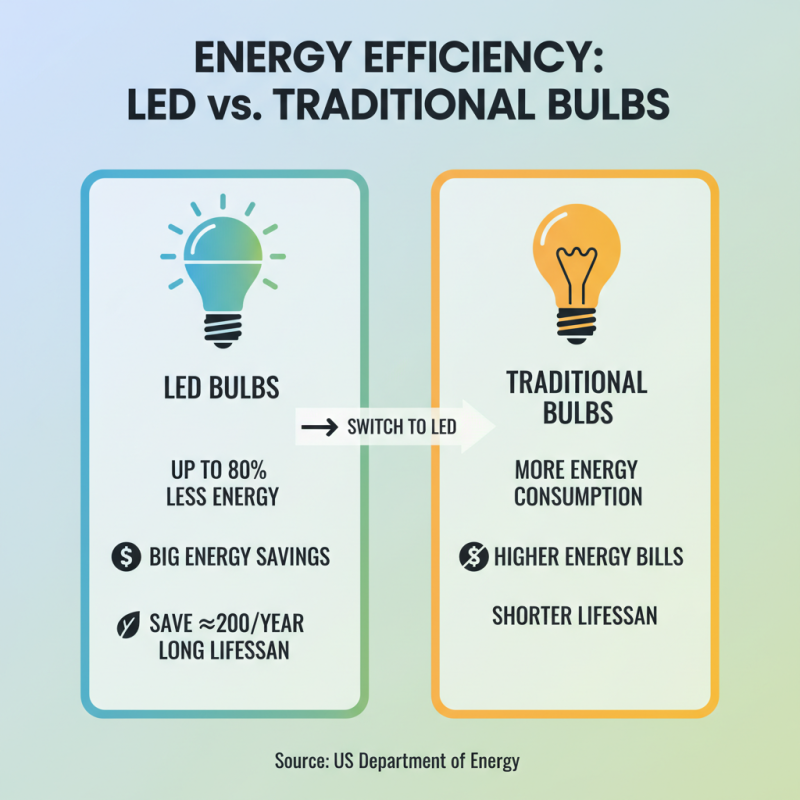
When selecting outdoor lighting, energy efficiency is paramount. LED bulbs stand out in this aspect. They use up to 80% less energy than traditional incandescent bulbs. This efficiency can lead to significant savings on energy bills. According to the U.S. Department of Energy, switching to LED can save consumers about $200 a year.
The lifespan of LED bulbs is another critical factor. They typically last up to 25,000 hours, while incandescent bulbs average just 1,000 hours. This means fewer replacements and reduced waste. However, LEDs can be more expensive upfront. Still, the long-term benefits often outweigh initial costs.
Another observation is that some homeowners might overlook the quality of light. LEDs can appear harsh or too white for certain environments. It's crucial to ensure the color temperature suits the outdoor space's aesthetic. There may be a learning curve in finding the right balance. Different settings may require varying lighting styles. Experimentation can lead to a more harmonious outdoor ambience.
Design Considerations for Aesthetic and Functional Outdoor Lighting
Choosing outdoor lights requires thoughtful design considerations for both aesthetics and functionality. Start by evaluating the areas you want to illuminate. Pathways, patios, and gardens all need different lighting styles. Match lights to the architectural design of your home. This creates a cohesive look, making your space inviting.
Tips: Use warm-toned lights for a cozy feel. Bright lights may disrupt the atmosphere. Experiment with different fixtures. Sconces, string lights, and lanterns can create unique ambiances. Don’t forget about shadow play. Illuminate focal points and let shadows add depth.
Consider energy efficiency too. Solar lights are eco-friendly and reduce electricity bills. However, they may not offer the bright light some areas need. Check the brightness levels before purchasing. Reflect on how your choices could impact the night appearance of your home. A mix of lights can balance functionality and style while avoiding harsh glare. Strive for harmony in your design.
Safety and Security Features in Outdoor Lighting Options
When selecting outdoor lighting, safety and security are crucial. Proper illumination can deter crime. According to a report from the National Institute of Justice, well-lit areas decrease the chances of criminal activity by up to 25%. Bright, focused lights can illuminate entryways and driveways, making them safer for family members and guests.
Consider motion-sensing lights. These lights turn on when they detect movement, alerting you to any activity outside. They are not only energy-efficient but also serve as a warning signal. A study showed that homes with motion-activated lights are 40% less likely to experience break-ins. It's important to install them in strategic locations, such as near doors, garages, and pathways.
Don’t overlook the placement and style of outdoor lights. Overhead lights are common, but low-level lighting can be equally effective. Such lights can create shadows and dark spots. Regularly checking the condition of your lights is vital. Burned-out bulbs not only create blind spots but also compromise safety. Investing in reliable fixtures and regular maintenance can enhance outdoor security effectively.