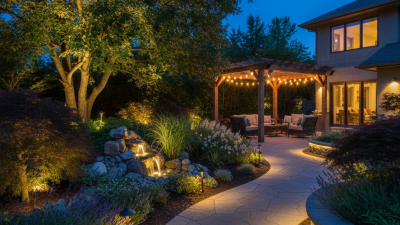
How to Choose Landscape Lights for Your Outdoor Space?

Choosing the right landscape lights for your outdoor space can significantly enhance both aesthetics and functionality. According to the latest report from the Outdoor Lighting Association, the market for landscape lights is projected to grow by 15% annually. This growth indicates a rising interest in outdoor enhancements. Industry expert John Smith, known for his work in outdoor design, emphasizes, “The right lights can transform any garden into a delightful space after sunset.”

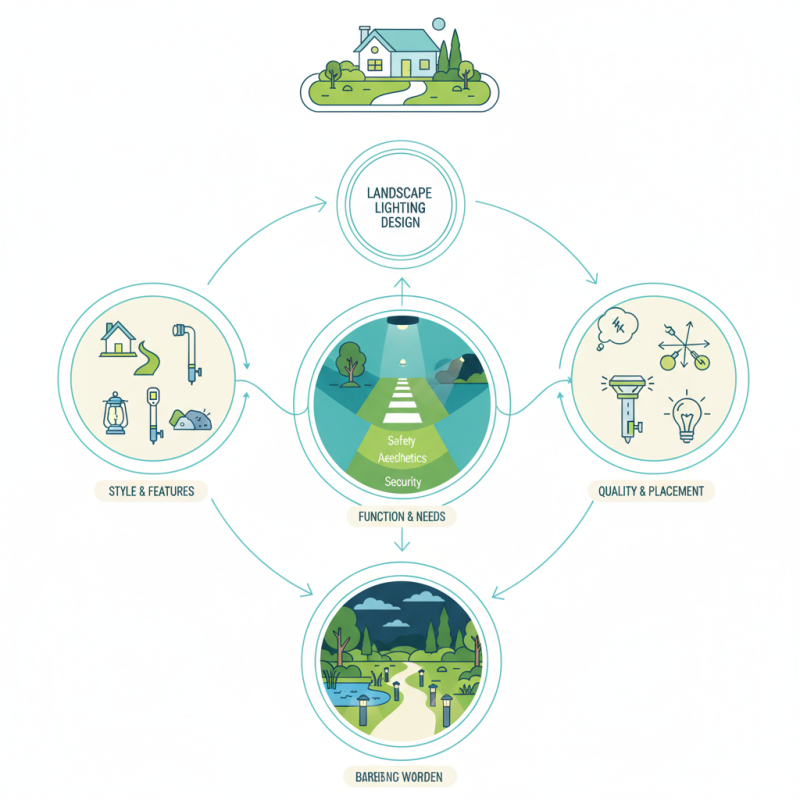
Selecting landscape lights involves considering several factors. The style of your home, the landscape's features, and your lighting needs all play a role. For example, well-placed path lights can improve safety while adding charm. However, many homeowners overlook the importance of layering light sources. Insufficient illumination can lead to dark spots, detracting from visual appeal.

Reflecting on the design process is crucial. Not every light fixture will suit your unique environment. Prioritizing quality over quantity is essential, as cheaper options may fail to provide desired outcomes. Exploring various styles and placements can yield surprising results. Creating a harmonious outdoor space with landscape lights takes careful thought and planning.
How to Choose Landscape Lights for Your Outdoor Space?

Understanding the Importance of Landscape Lighting in Outdoor Design

Landscape lighting transforms outdoor spaces. It enhances beauty and improves safety. Proper lighting creates moods and highlights features. Consider the layout of your garden or patio. Think about the pathways, trees, and architectural elements.

Tips for choosing the right lights include considering brightness. Too bright can overwhelm the space. Too dim might not provide enough light. Soft, warm lights often create a welcoming atmosphere. Pay attention to the placement. Lights should not shine directly into eyes but rather illuminate areas gracefully.

Also, think about energy efficiency. LED lights last longer and use less energy. Yet, they may lack warmth. Reflect on the balance between aesthetics and practicality. The goal is to create an inviting space while ensuring functionality. Explore different styles, colors, and brightness levels for your landscape.
Key Factors to Consider When Choosing Landscape Lights

Choosing landscape lights involves careful consideration. Start by assessing the specific areas you want to illuminate. Pathways and steps require bright lights for safety. Meanwhile, trees and gardens might benefit from softer lighting. A blend of these can create a harmonious look. Avoid overwhelming brightness, which can disrupt the ambiance.

Next, consider the style of your outdoor space. Are you going for a modern look or a rustic theme? The design of the lights should complement your overall aesthetic. Color temperature is also important. Warm white lights can create a welcoming atmosphere, while cool lights have a more contemporary feel. Experiment with different placements to see what works best.

Don’t forget about energy efficiency. LED lights last longer and consume less power. However, they may not always provide the desired effect. Some users find they lack warmth. It’s a tricky balance. Take your time to install and test various options. Your landscape lighting should enhance the beauty of your outdoor space, not overpower it.

Types of Landscape Lights: A Comparative Overview

When selecting landscape lights, understanding the types available is crucial. Path lights are popular; they line walkways beautifully. They provide safety and guide guests after dark. Their design varies widely, from modern to whimsical. The height matters too. Taller lights illuminate broader areas, while shorter ones focus on paths.

Deck lights serve a different purpose. They create ambiance on patios and porches. These lights are often subtle yet effective. Sometimes, they blend with the furniture for a seamless feel. Different styles can clash. Choosing the wrong one can disrupt harmony.

Spotlights are robust and direct light to specific points. They highlight trees, statues, or architectural features. However, too many can cause glare. Balance is essential; a single spotlight can enhance while too many overwhelm the space. Each type has unique traits, but planning how they fit your outdoor area is crucial. Function and aesthetics should guide your choices.

Energy Efficiency and Sustainability in Landscape Lighting Choices

How to Choose Landscape Lights for Your Outdoor Space?

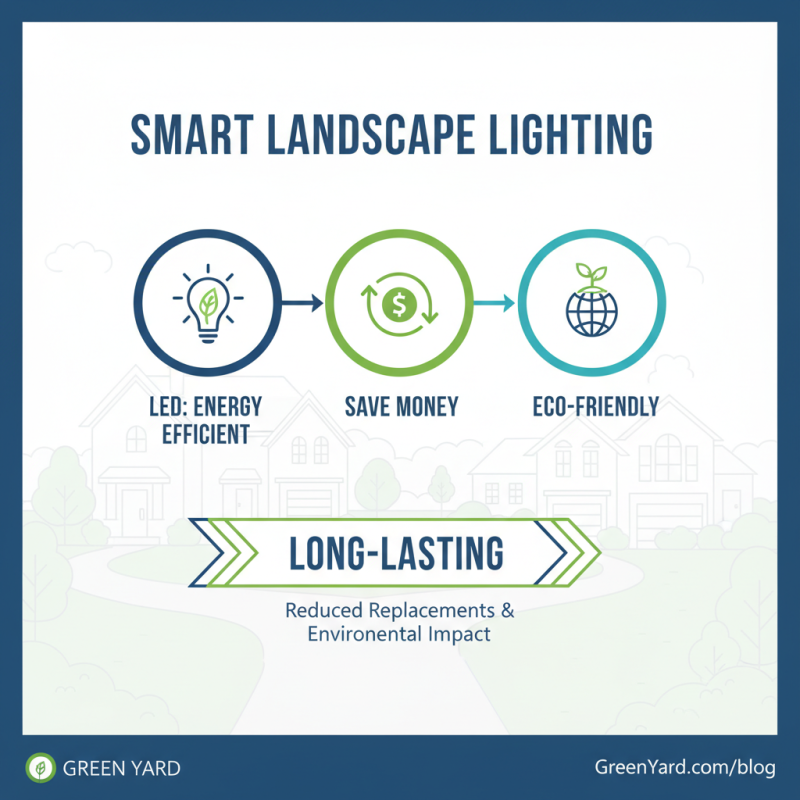
When selecting landscape lights for your outdoor space, energy efficiency is a key factor. LED lights are a popular choice due to their low energy consumption. They convert most of their energy into light, reducing waste and making them an eco-friendly option. These lights can last for many years, decreasing the need for frequent replacements. This not only saves money but also lessens environmental impact.

Sustainability in lighting choices goes beyond energy efficiency. Utilize solar-powered lights to harness renewable energy. They charge during the day and illuminate your garden at night. However, they might not provide enough brightness in cloudy conditions. It’s important to consider your specific needs before choosing this option.

Think about the materials used in your landscape lighting. Selecting fixtures made from recycled or sustainable materials can further reduce your environmental footprint. Yet, not all options may meet your aesthetic desires. Finding a balance between sustainability and style can be challenging. It's worth reflecting on which aspects matter most to you. Angel light can enhance the beauty of your garden, but it's essential to consider its impact on the planet.

Installation Tips and Best Practices for Outdoor Lighting Systems

When installing outdoor lighting systems, it's crucial to consider both functionality and . According to the American Lighting Association, proper outdoor lighting can improve safety and enhance the beauty of your landscape. However, poor planning often leads to dim or overly bright areas.

Tip: Test various light placements using temporary fixtures. This approach helps visualize the final look, allowing for adjustments in brightness and angle.

Additionally, consider energy efficiency. The U.S. Department of Energy reports that LED fixtures can last up to 25 times longer than traditional bulbs. Although they may have a higher upfront cost, the long-term savings on energy bills are significant.

Tip: Always check your local regulations regarding outdoor lighting. Some areas have specific guidelines on light pollution and brightness levels.

Lastly, the timing of your installation matters. Fall is optimal for landscaping. Install lights before foliage covers the area. This planning ensures your designs shine through the season. It can be easy to overlook these details, but they play a vital role in creating an inviting outdoor space.

has been added to your cart.
Checkout