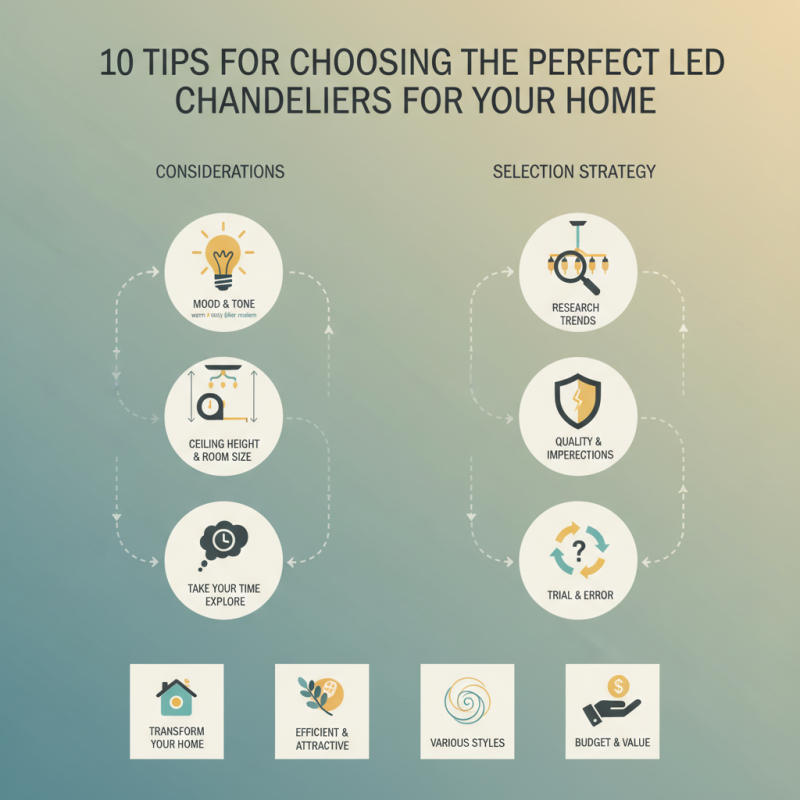
Choosing the right lighting can dramatically transform your home. LED chandeliers are an attractive and efficient choice. They come in various styles and sizes, making it essential to find the right fit for your space.
When selecting LED chandeliers, consider the mood you want to create. Bright, stark lights can feel cold, while warm tones offer a cozy vibe. The height of your ceiling and the scale of your room should guide your choice. High ceilings may benefit from large, dramatic designs, while smaller spaces need compact options.
Don’t rush the decision. Sometimes, taking time to reflect reveals what you truly need. Explore stores and online platforms to see the latest trends. Look for quality, but also be open to imperfections in both design and price. LED chandeliers can be beautiful, yet finding the perfect one often involves trial and error.
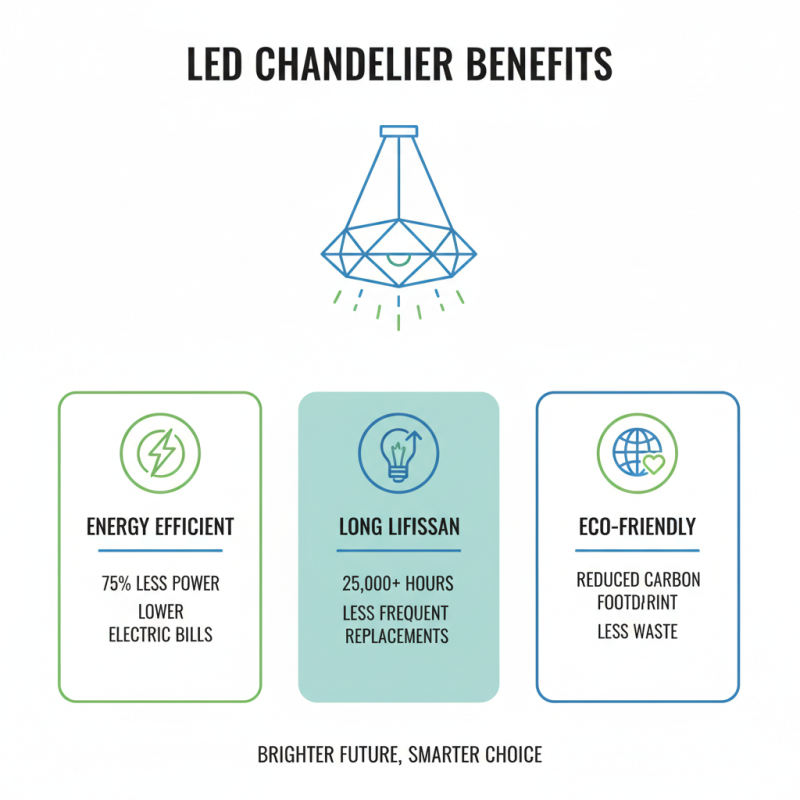
LED chandeliers offer numerous benefits for home lighting. They are energy-efficient, consuming less power than traditional bulbs. This means lower electricity bills and a smaller carbon footprint. Additionally, they last longer, reducing the need for frequent replacements. Imagine not having to change bulbs every few months.
When selecting an LED chandelier, consider the room size. A large space may require multiple fixtures for adequate light. Think about the color temperature as well. Warm white creates a cozy atmosphere, while cool white is better for brightening up areas. Don’t overlook the style either; it should complement your home décor.
Check the lumens output. Higher lumens yield brighter light, which is essential in darker rooms. Pay attention to dimmability too. Some LED lights are not dimmable, limiting flexibility. You might find certain designs more appealing. Balance beauty with functionality to get it right. Reflect on the ambiance you want to create.
When choosing LED chandeliers, size and scale are critical. A chandelier too large for a room can overwhelm the space. Conversely, a small chandelier may get lost in a vast area. According to a study by the American Lighting Association, improper chandelier sizing can lead to aesthetics that feel unbalanced.
One practical tip is to measure the height and width of your room. A good rule of thumb is to add the room’s dimensions in feet to find the ideal diameter for your chandelier. For example, a 10x12 room would require a chandelier of about 22 inches in diameter. This approach ensures that your chandelier complements, rather than competes with, your decor.
Additionally, consider the height at which you install the chandelier. The bottom of the fixture should ideally hang 30 to 34 inches above a dining table. Too high, and the light will be ineffective; too low, and it could obstruct views. Each space is unique, and careful measurement reflects your personal style while maintaining functionality. It’s essential to visualize how the chandelier will fit into your room's design, creating harmony without overpowering the space.
Choosing the right style for LED chandeliers is crucial. Each design – modern, traditional, or transitional – offers distinct aesthetic values. According to a recent industry report, about 45% of homeowners prefer modern styles due to their minimalist appeal. This trend reflects a larger shift towards streamlined designs in contemporary interiors.
Traditional chandeliers typically showcase intricate patterns and ornate details. They evoke a sense of classic elegance. However, they may not suit all spaces. For example, in smaller rooms, bulky designs can overwhelm the decor. Transitional styles blend elements of both modern and traditional, making them versatile. They can harmonize with various decor themes.
Lighting professionals note that proper scale is vital. A chandelier too large can dominate a room. Conversely, one too small may get lost in the space. Many homeowners overlook this. They choose based solely on visual allure, ignoring how light fits into the entire room. The right balance can elevate the home ambiance significantly.
This bar chart illustrates the popularity of different LED chandelier styles among homeowners. Modern designs are the most preferred, followed by traditional and transitional styles.
When selecting LED chandeliers, energy efficiency and lifespan are crucial factors. LED bulbs consume up to 75% less energy than traditional incandescent bulbs. This significant reduction not only lowers electricity bills but also decreases environmental impact. According to the Department of Energy, switching to LED lighting could save the U.S. over $30 billion in energy costs by 2025. This is a game changer for homeowners seeking to be eco-conscious and cost-effective.
Consider the lifespan of LED bulbs. Generally, they last around 25,000 hours, compared to only 1,000 hours for incandescents. This means fewer replacements over time. However, some users report LEDs failing prematurely. Issues can arise from poor-quality components or overheating. It’s essential to check reviews and data about specific models to ensure longevity. Many consumers express concern about flickering and light quality. Ensuring proper installation can mitigate some of these issues.
Balancing energy efficiency with aesthetics is vital. While some LED chandeliers look stunning, their light quality can vary. A lower Color Rendering Index (CRI) can lead to dull lighting. Think about how the light will enhance your space. Experimenting with different bulb types may also be beneficial. In the end, achieving the perfect ambiance while being energy-conscious requires thoughtful exploration.
When selecting LED chandeliers, consider the growing demand for dimming options and smart features. A recent industry report indicates that over 70% of consumers prioritize adjustable lighting to set different moods. Dimming capabilities allow homeowners to transition from bright illumination to soft, ambient light effortlessly. This flexibility enhances any space, from dining rooms to cozy reading nooks.
Smart technology integration is increasingly popular. Many LED chandeliers now come equipped with wireless connectivity, enabling users to control lighting remotely. A survey found that around 55% of homeowners appreciate being able to adjust their lights via smartphones or voice assistants. This feature offers convenience, yet not all systems are user-friendly. Some may require additional setups that lead to frustration. Balancing tech with simplicity can be challenging.
It's also essential to ensure compatibility with existing systems. Some LED chandeliers may not function optimally with older dimming switches, causing flickering or limited light range. Educating yourself on compatible devices is crucial. The pursuit of the ideal chandelier should consider how these modern features align with personal preferences and technological capabilities.
| Tip Number | Choosing Factor | Description | Dimming Options | Smart Features |
|---|---|---|---|---|
| 1 | Size | Consider room size and ceiling height to select the right dimensions. | Adjustable brightness levels. | App-controlled light settings. |
| 2 | Style | Match the chandelier style with existing decor (modern, traditional, etc.). | Multiple settings for different moods. | Voice control compatibility. |
| 3 | Brightness | Evaluate the lumens needed for your space. | Dimmable to suit activities like dining or gatherings. | Integration with smart home devices. |
| 4 | Material | Select durable materials that fit your lifestyle. | Smart dimming features adjust automatically. | Energy monitoring capabilities. |
| 5 | Installation | Choose easy-to-install designs or hire a professional as needed. | Options for no-flicker dimming. | Programmable lighting schedules. |
| 6 | Energy Efficiency | Look for energy-efficient ratings and LED options. | Variable lumens based on time of day. | Remote access for energy management. |
| 7 | Color Temperature | Choose between warm, neutral, or cool lighting. | Customizable color settings. | Mood lighting features. |
| 8 | Cost | Balance your budget with desired features and quality. | Longer lifespan reduces replacement costs. | Cost-saving programs available. |
| 9 | Brand Reputation | Research reliable brands known for durability and design. | Reputable brands offer consistent dimming performance. | Trusted smart technology providers. |
| 10 | Warranty and Support | Check warranty length and customer service options. | Support for troubleshooting dimming issues. | Technical support for smart features. |