How to Choose the Best Landscape Lights for Your Home?
Choosing the right landscape lights for your home can transform your outdoor space. Landscape lights enhance visual appeal and provide safety at night. They come in various styles and functions. It’s essential to consider both aesthetics and efficiency.
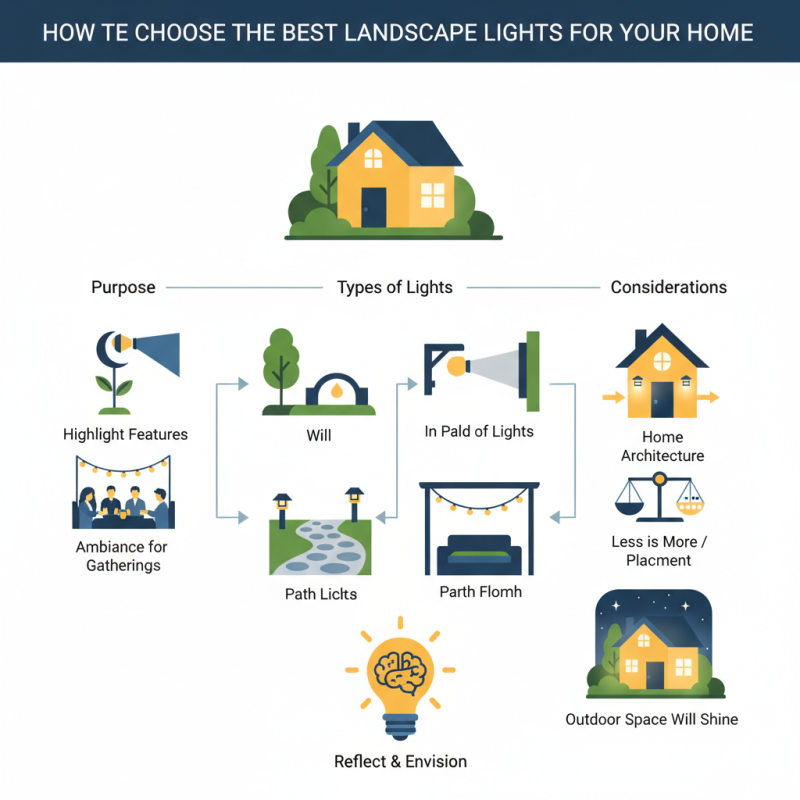
When selecting landscape lights, think about the purpose. Do you want to highlight a garden feature? Or create a warm ambiance for gatherings? Each choice will influence your overall design. The market offers many options, but finding the perfect fit can be overwhelming.
Take time to reflect on your needs. Consider how different types of landscape lights interact with your home’s architecture. Sometimes, less is more. A few well-placed lights may achieve the desired effect without being overwhelming. Remember, it’s okay to feel unsure at times. Keep your vision clear, and your outdoor space will shine.
Understanding Different Types of Landscape Lights Available
When selecting landscape lights, it's crucial to understand the types available. There are pathway lights, spotlights, and floodlights, each serving different purposes. Pathway lights are ideal for guiding visitors safely along walkways. They come in various styles and heights, adding charm to your garden.
Spotlights focus on specific features, like trees or statues. They're great for highlighting elements of your landscape. Choose adjustable spotlights for versatility, allowing you to change the angle as needed. Floodlights provide broader illumination, suitable for larger areas or security needs. They can be quite bright, so consider the strength before installation.
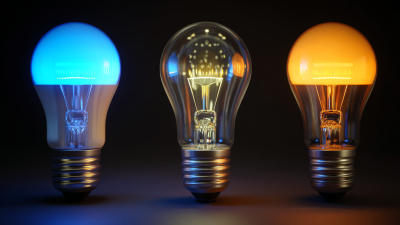
Tips: Look for energy-efficient options. LED lights are a smart choice for longevity and lower energy bills. Think about the color temperature as well; warmer lights create a cozy atmosphere. Overlooking these details can lead to a less inviting space. You might also want to experiment with different placements. Sometimes, what seems right might need a second look. Try different angles and see what works best for your outdoor setting.
Assessing Your Landscape and Lighting Needs
When assessing your landscape and lighting needs, start by evaluating the areas you want to illuminate. Think about paths, gardens, and features like trees or sculptures. Each spot may need a different style or intensity of light. Observe your landscape at night. What stands out? What fades into darkness? This observation helps shape your choices.
**Tips:** Consider using soft lights for garden beds to highlight flowers. For walkways, bright, focused lights can enhance safety. Play with shadows to create interesting designs.
Next, think about the purpose of your lighting. Is it for safety, decoration, or both? A well-lit path prevents accidents. You might want to spotlight a unique tree but avoid over-lighting it. Take time to find the right balance.
**Tips:** Use warm lights for a cozy feel. For modern spaces, cooler tones might work better. Experiment with light placement but remain mindful of energy use. Over-lighting isn’t always better; it can create harsh environments.
Factors to Consider When Selecting Landscape Lights
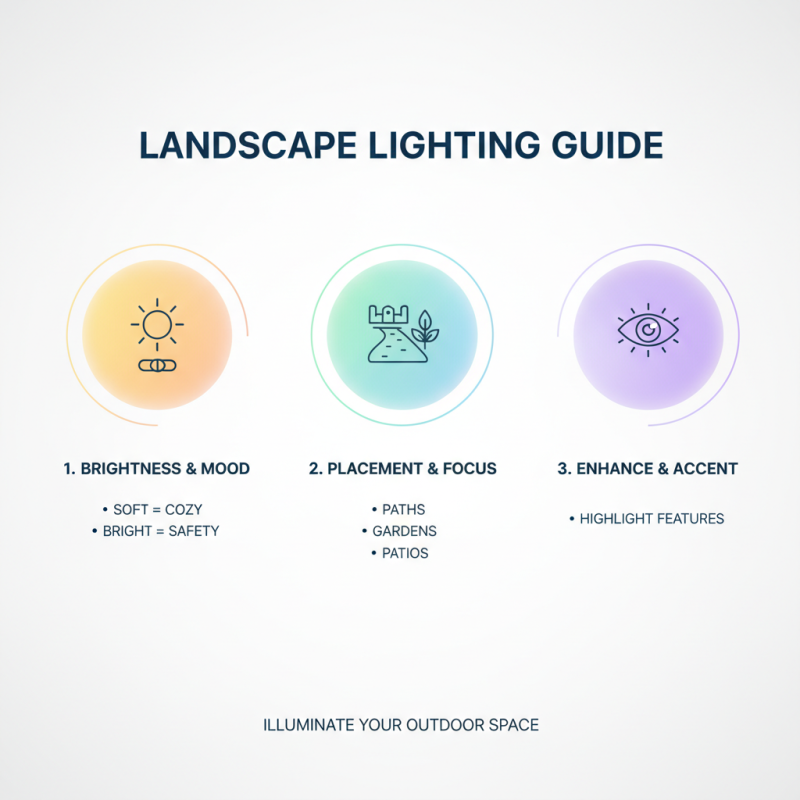
When selecting landscape lights, consider the brightness. The illumination plays a critical role in setting the mood. Soft lights can create a cozy atmosphere, while bright lights may enhance safety. Think about where to place lights. Paths, gardens, and patios benefit from strategic positioning. Good placement highlights beautiful features without overwhelming them.
Material choice is just as important. Look for durable options that can withstand weather conditions. Metal or plastic can be suitable, but check long-term performance. Light color also matters. Warm white is inviting, while cool white is more modern. Accentuating your home's style is key.
Don’t forget energy efficiency. LED lights save power and last longer. They are friendlier to the environment. Consider your budget too. It's easy to overspend. The wrong choices can lead to dissatisfaction later. Stay true to your vision, but be realistic about your needs. Balancing aesthetic appeal and practicality can be challenging, yet it is essential for a successful landscape design.
Energy Efficiency and Cost Considerations for Landscape Lighting
When choosing landscape lights, energy efficiency and cost are vital factors. LED lights are a popular choice. They use less energy than traditional bulbs. This can lead to savings on electricity bills. You’ll also need to consider the initial cost of installation. Some lights may seem cheap, but the long-term energy costs can add up.
Tip: Look for lights with low wattage. They save energy without sacrificing brightness. Solar-powered options are also available. These require no electricity and offer cost savings. However, their efficiency can vary with sunlight exposure.
Additionally, consider the lifespan of the lights. Some fixtures may need frequent replacement. This can increase long-term costs. It’s wise to invest in durable lights. They can withstand weather changes and reduce maintenance expenses.
Tip: Check for warranties and lifespan ratings. This can reflect the quality of the lights. Don’t overlook the aesthetic appeal either; inefficient lighting can affect your overall landscape. Yet, sometimes going green can lead to unforeseen complications. Adjusting to new technologies may take some time.
Installation Tips for Optimal Landscape Lighting效果
When planning your landscape lighting, think about placement.
Position lights to highlight key features like trees or pathways. This creates depth in your yard.
Consider angles carefully to avoid harsh shadows. A common mistake is over-lighting.
Too many lights can overwhelm a space.
Pay attention to the wattage of your bulbs. Lower wattage is often more pleasing for outdoor areas.
Choose warm tones to create a cozy atmosphere.
Colored lights can be fun but might not fit every style.
Test different configurations before final installation. Move lights around to see their impact.
A perfect setup may take time.
It's easy to underestimate the complexity of landscape lighting. Keep experimenting until you find what works.