How to Choose the Best LED Panel Lights for Your Home or Office
When it comes to illuminating your home or office, LED panel lights have emerged as a popular choice due to their sleek design and energy efficiency. These modern lighting solutions not only enhance the aesthetic of a space but also contribute to reduced energy consumption and longer lifespan compared to traditional lighting options. Selecting the best LED panel lights involves understanding the various factors that influence their performance, including brightness, color temperature, and installation requirements.
In this guide, we will explore the key considerations to keep in mind when choosing LED panel lights. From evaluating the space in which they will be used to determining the right size and style, making an informed decision can significantly impact the overall ambiance and functionality of your environment. Whether you’re revamping a workspace or enhancing the comfort of your living area, the right LED panel lights can transform your space into a well-lit haven. With numerous options available, knowing what to look for will help you make the best choice that meets both your practical needs and aesthetic preferences.
Understanding Different Types of LED Panel Lights Available
When choosing LED panel lights for your home or office, it’s essential to understand the different types available in the market. The most common types include edge-lit and back-lit panels.
Edge-lit panels utilize LEDs positioned around the edges of the panel, providing a slim profile and even light distribution. These panels are ideal for settings where ceiling space is limited, as they tend to be thinner and lighter. On the other hand, back-lit panels feature a uniform light source placed behind the diffuser, resulting in a more consistent brightness across the entire surface. They are often preferred for areas that require higher light intensity and are excellent for larger spaces.
Tips: When selecting LED panel lights, consider the location in which they will be installed. For offices or workspaces, back-lit panels may offer the brightness needed for tasks. In contrast, edge-lit panels can enhance aesthetic appeal in areas where design is crucial.
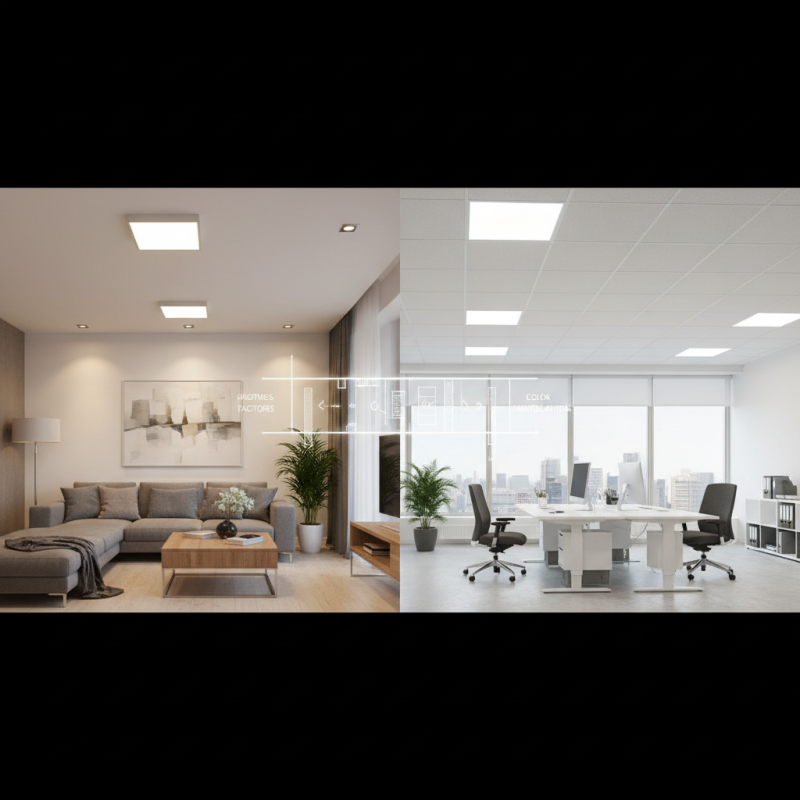
Ensure to check the color temperature as well; warmer lights create a cozy atmosphere for homes, while cooler lights can boost focus and productivity in work environments.
Another factor to keep in mind is the dimming capability. Some LED panel lights come with adjustable brightness levels, allowing you to change the mood and functionality of the space. This feature can be particularly beneficial in multi-use areas, providing flexibility for different activities throughout the day. Thus, when selecting your panel lights, prioritize your specific needs and the intended use of each space.
Key Factors to Consider When Choosing LED Panel Lights
When choosing LED panel lights for your home or office, several key factors can significantly influence your decision. One of the most critical considerations is the lumen output, which measures the brightness of the light. According to the U.S. Department of Energy, LED lights typically provide superior luminosity while consuming less energy compared to traditional lighting options. For general office settings, a lumen output of around 400-500 lumens per square meter is recommended to ensure optimal visibility without causing eye strain.
Another essential factor is the color temperature of the LED panel lights. Measured in Kelvins (K), this determines the appearance of the light, ranging from warm yellow (around 2700K) to cool daylight (up to 6500K). Research from the Lighting Research Center suggests that cooler, daylight-like colors are preferable in office spaces as they enhance concentration and alertness. In contrast, warmer tones can create a cozy atmosphere ideal for living areas. Selecting the appropriate color temperature is vital for creating a conducive environment that aligns with the purpose of your space.
Energy efficiency is also crucial when selecting LED panel lights, as these fixtures can drastically reduce electricity consumption. The U.S. Energy Information Administration reports that LED lighting consumes up to 75% less energy than incandescent bulbs, contributing to lower electricity bills and a reduced carbon footprint. Additionally, the lifespan of LED lights—often exceeding 25,000 hours—means less frequent replacements, making them not only cost-effective in the long run but also an environmentally friendly choice for sustainable living.
How to Choose the Best LED Panel Lights for Your Home or Office - Key Factors to Consider When Choosing LED Panel Lights
| Factor |
Description |
Recommendation |
| Brightness (Lumens) |
Measures how much light is emitted. Needs vary depending on room size and function. |
Choose panels with at least 3000 lumens for larger spaces. |
| Color Temperature |
Indicates the color output of the light, measured in Kelvin (K). |
Select 3000K for warm light, 4000K for neutral, and 5000K for daylight effect. |
| Energy Efficiency |
Refers to how well the panel converts electricity to light. |
Look for panels with an efficiency rating of 100 lumens per watt or higher. |
| Installation Type |
Indicates how the panel is mounted: recessed, surface-mounted, or suspended. |
Choose based on ceiling type and aesthetic preference. |
| Lifespan |
The duration the light will function before degrading. |
Select products rated for at least 25,000 hours. |
| Dimmability |
Determines whether the light output can be adjusted. |
Consider dimmable panels for flexibility in lighting levels. |
Comparison of LED Panel Lights Based on Energy Efficiency
When considering LED panel lights for your home or office, energy efficiency should be a top priority. According to a report from the U.S. Department of Energy, LED lighting can use up to 75% less energy than traditional incandescent lighting while lasting up to 25 times longer. This substantial energy savings not only reduces utility bills but also contributes to a lower carbon footprint. As businesses and homeowners become increasingly aware of their energy consumption, selecting the right LED panel lights becomes essential for optimizing both performance and cost.
When comparing LED panel lights, consider the lumens per watt (lm/W) rating, which indicates the efficiency of the light fixtures. Look for products that offer at least 100 lm/W to ensure optimal brightness without excessive energy use. Additionally, choosing fixtures with a high Color Rendering Index (CRI), ideally above 80, can enhance the visual quality of the space, making colors appear more true to life.
Tips:
1. Calculate the total wattage needed for your space to avoid overlighting, which can waste energy.
2. Opt for panel lights with adjustable brightness settings to tailor the intensity based on the time of day or activity, enhancing energy efficiency without sacrificing comfort.
3. Always check for certifications such as Energy Star, which guarantees the lighting meets strict energy efficiency guidelines.
Evaluating the Brightness and Color Temperature for Your Space
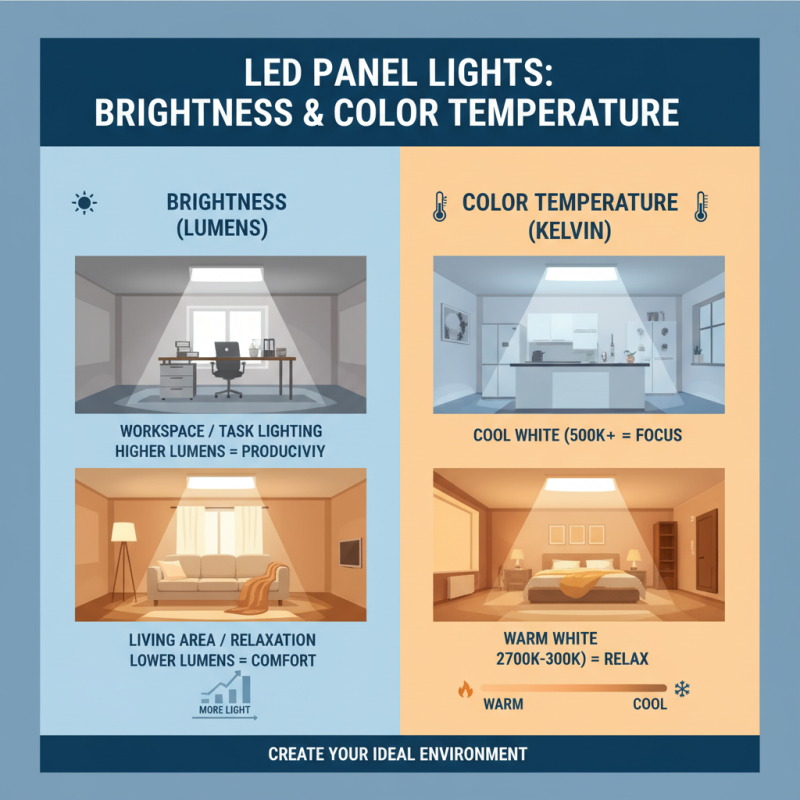
When selecting LED panel lights for your home or office, evaluating brightness and color temperature is crucial to creating the ideal environment. Brightness is typically measured in lumens; the higher the lumens, the brighter the light. It’s important to consider the size of the space and the activities that will take place there. For example, a well-lit workspace may require higher lumens to reduce eye strain and enhance productivity, while a cozy living area might benefit from softer, warmer lighting to create a relaxing atmosphere.
Color temperature, measured in Kelvin (K), plays a significant role in the mood and functionality of a space. Lower temperatures (around 2700K to 3000K) produce a warm, yellowish light that is inviting and comfortable, making it ideal for living rooms and bedrooms. On the other hand, higher temperatures (5000K to 6500K) mimic daylight and are better suited for areas like kitchens and offices, where tasks require alertness and clarity. When choosing LED panel lights, consider how both brightness and color temperature can influence not just the aesthetic of the room but also the well-being and productivity of its occupants.
Installing and Maintaining LED Panel Lights Effectively
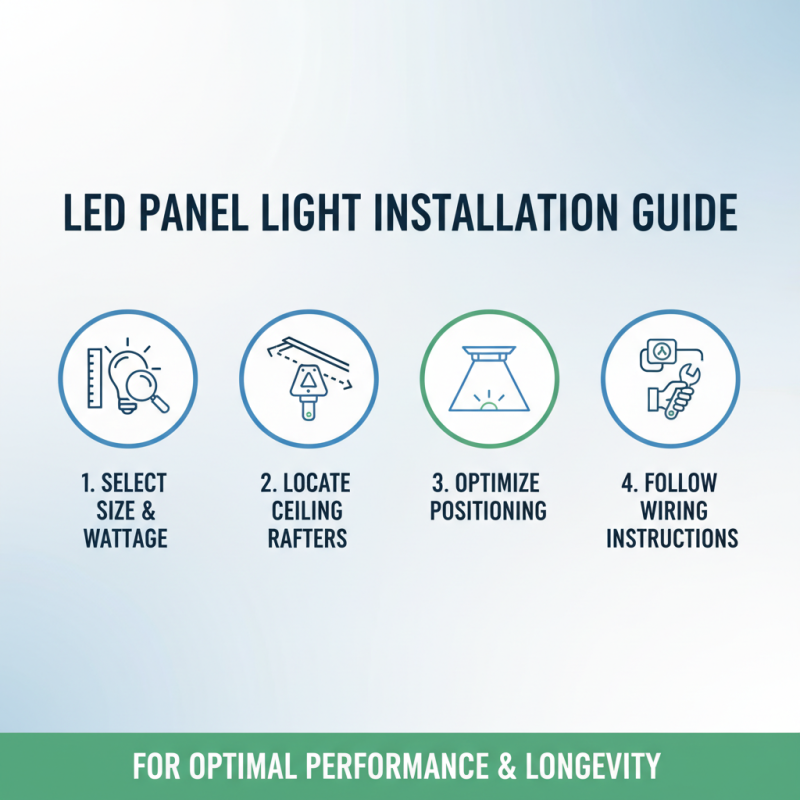
When installing LED panel lights, ensuring a proper setup is crucial for optimal performance and longevity. Start by selecting the appropriate size and wattage for your space, taking into account ceiling height and the desired brightness. Use a stud finder to locate the ceiling rafters and ensure a sturdy installation. Proper positioning can significantly enhance light distribution, creating a more comfortable environment. Follow the manufacturer's instructions carefully, especially regarding wiring and electrical connections, to avoid safety hazards.
Once installed, regular maintenance will ensure that your LED panel lights remain efficient and visually appealing. Dust and dirt can accumulate on the panels, diminishing their brightness and potentially causing overheating. Regularly clean the surfaces with a soft cloth and mild cleaning solution, avoiding abrasive materials that could scratch the finish. Additionally, check for any flickering or dimming, as these could indicate underlying electrical issues that need attention. Investing time in maintenance not only prolongs the life of the lights but also ensures a well-lit, welcoming atmosphere in your home or office.