Top 10 Commercial Lighting Tips to Enhance Your Business Space Efficiency
Effective commercial lighting plays a crucial role in enhancing the efficiency and atmosphere of business spaces. The right lighting not only influences the aesthetic appeal of a workplace but also affects employee productivity and customer experience. By strategically utilizing commercial lighting, businesses can create an inviting environment that fosters collaboration, creativity, and a positive mood, leading to increased operational efficiency and customer satisfaction.
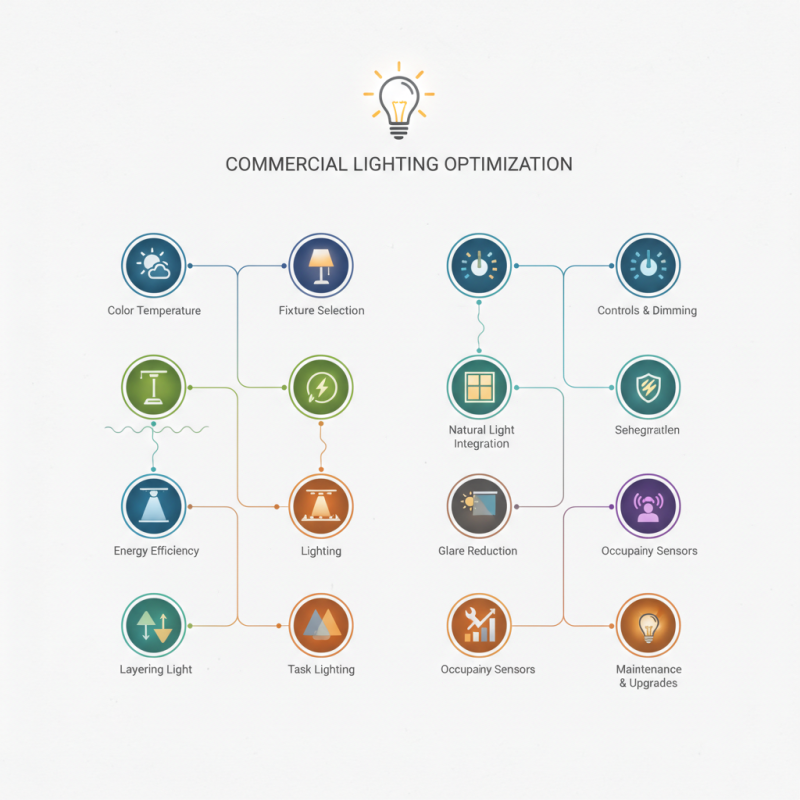
In this article, we will delve into the top 10 tips for optimizing commercial lighting in your business space. From selecting the right color temperatures and fixtures to considering energy-efficient technologies, these insights aim to guide you in making informed decisions that can significantly elevate your workspace. Whether you are revamping an existing site or designing a new one, understanding the principles of effective commercial lighting is essential for maximizing the potential of your business environment. Join us as we explore how to harness the power of light to bring out the best in your commercial space.
Understanding the Importance of Commercial Lighting in Business Spaces
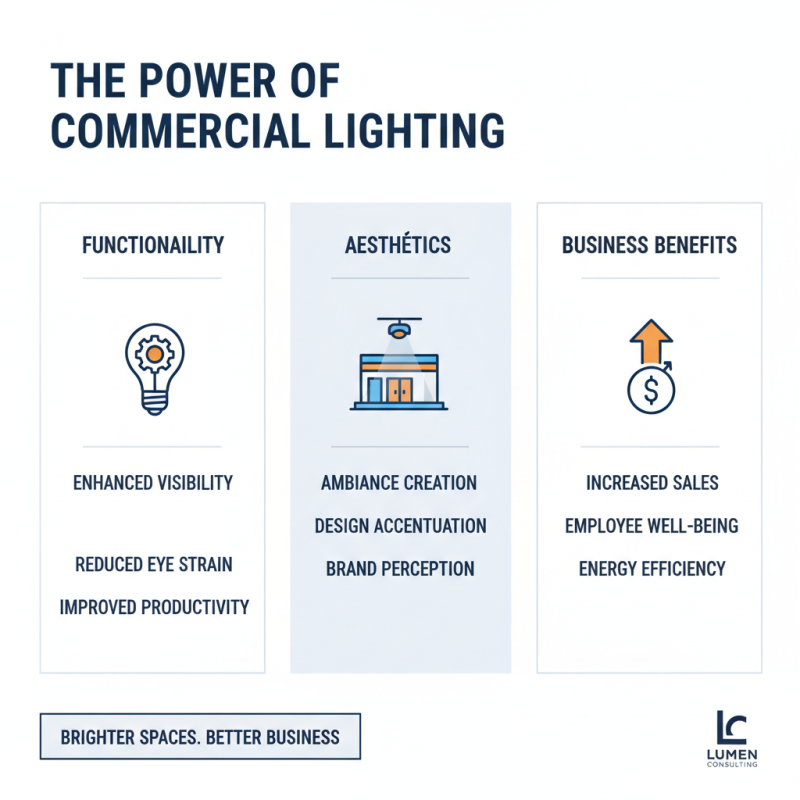
Commercial lighting plays a crucial role in the functionality and aesthetic appeal of business spaces. Adequate lighting not only enhances visibility but also significantly affects the overall environment in which employees and customers interact. By understanding the importance of commercial lighting, businesses can create spaces that foster productivity and enhance customer experiences. A well-lit area can improve focus and reduce eye strain, leading to more efficient work output and greater satisfaction among clients.
Moreover, the strategic use of lighting can influence mood and behavior, impacting everything from employee morale to customer purchasing decisions. Warm lighting can create a welcoming ambiance in retail environments, while brighter, cooler lights in office settings can invigorate employees, promoting alertness and engagement. By optimizing lighting design and considering factors such as energy efficiency and sustainability, businesses can not only elevate their operational effectiveness but also contribute positively to their brand image and reduce operating costs. Understanding these dynamics is key to leveraging commercial lighting as a powerful tool for enhancing business space efficiency.
Assessing Your Current Lighting Setup for Efficiency Improvements
Assessing your current lighting setup is a crucial step in identifying opportunities for efficiency improvements that can significantly impact your business space. According to a report by the U.S. Department of Energy, lighting accounts for about 30% of a commercial building's energy consumption. Many businesses overlook this aspect, resulting in unnecessarily high utility bills. Conducting a thorough audit of your existing lighting systems can reveal areas where you can enhance efficiency, such as upgrading to energy-efficient LED fixtures or optimizing the use of natural light.
One way to assess your lighting setup is by evaluating both the quality and the distribution of light in your space. A study published in the Energy Research Journal indicated that better lighting can improve workforce productivity by as much as 20%, as appropriate illumination fosters a more comfortable and engaging working environment. Additionally, leveraging smart lighting controls, such as motion sensors and dimmers, can help to minimize energy use further by adjusting light levels based on occupancy and daylight availability. By systematically addressing these aspects, businesses can not only reduce their energy consumption but also create a more inviting atmosphere for employees and clients alike.
Choosing the Right Type of Lighting for Various Areas of Your Business
When it comes to enhancing the efficiency of your business space, selecting the right type of lighting for various areas is crucial. Research conducted by the Pacific Northwest National Laboratory indicates that well-designed lighting can improve worker productivity by 20% to 25%. For example, in office spaces, combining natural light with LED fixtures not only saves energy but also creates a pleasant work environment that enhances focus and creativity.
Different areas in a business require different lighting solutions. For instance, collaborative spaces benefit from soft, diffused lighting that fosters communication, while task-oriented areas, like offices or workshops, need brighter, more focused lighting to support detailed work. An illuminating report from the Lighting Research Center shows that the type of lighting chosen influences employees' mood and efficiency, with cooler temperatures boosting alertness and warmer tones promoting a calm atmosphere.
When choosing your lighting, consider the following tips: First, assess the functional needs of each area and select lighting that enhances those features. Second, implement zoning in your lighting design to create adaptable spaces that can accommodate various tasks, which can help reduce energy consumption by up to 30%, as reported by the U.S. Department of Energy. Finally, regularly evaluate and update your lighting to ensure it meets evolving business needs and maximizes energy efficiency.
Top 10 Commercial Lighting Tips to Enhance Your Business Space Efficiency
| Area |
Recommended Lighting Type |
Benefits |
Color Temperature (K) |
Lumens Output |
| Reception Area |
LED Ceiling Lights |
Welcoming ambiance, energy-efficient |
3000-4000 |
800-1000 |
| Office Workstations |
Task Lighting |
Improves focus and productivity |
4000-5000 |
400-600 |
| Meeting Rooms |
Dimmable LED Fixtures |
Flexibility for presentations and discussions |
3500-4500 |
600-800 |
| Retail Display |
Track Lighting |
Highlights products effectively |
3000-5000 |
1000-1200 |
| Break Rooms |
Recessed Lighting |
Bright and pleasant atmosphere |
3000-3500 |
600-800 |
| Warehouse |
High-Bay LED Lights |
Wide coverage, reduces energy costs |
5000-6000 |
20000-30000 |
| Parking Lots |
LED Street Lights |
Enhanced security and visibility |
4000-5000 |
10000-15000 |
| Outdoor Areas |
Solar LED Lights |
Eco-friendly, cost-effective |
3000-4000 |
800-1200 |
| Exhibit Areas |
Accent Lighting |
Draws attention to key features |
3500-4500 |
300-500 |
Implementing Energy-Efficient Lighting Solutions to Reduce Costs
Implementing energy-efficient lighting solutions can significantly reduce operational costs for businesses while enhancing the overall ambiance of the workspace. One of the foremost strategies is to switch to LED lighting, which uses considerably less energy compared to traditional incandescent or fluorescent bulbs. LEDs not only last longer but also produce less heat, resulting in lower cooling costs. By carefully planning the layout and the type of lighting used, businesses can ensure that their spaces are well-lit while minimizing wasted energy.
Another effective approach is to incorporate smart lighting controls, such as dimmers and occupancy sensors. These technologies allow businesses to adjust lighting based on the time of day or when a space is in use, thereby reducing energy consumption during off-peak hours. Natural light should also be utilized wherever possible; strategically placing workspaces near windows can reduce reliance on artificial lighting. Overall, making informed decisions about lighting can lead to cost savings, improved worker productivity, and a more sustainable business environment.
Designing a Balanced Lighting Plan to Enhance Aesthetics and Productivity
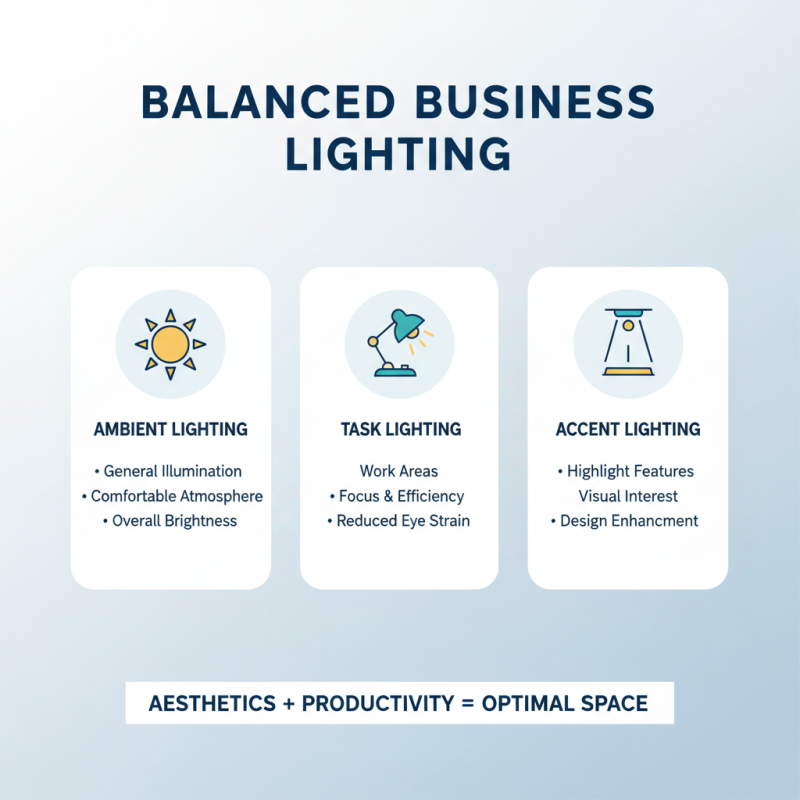
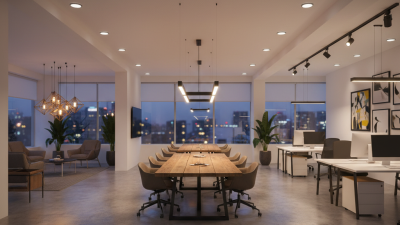
Creating a balanced lighting plan is crucial for enhancing both the aesthetics and productivity of a business space. Effective lighting should complement the design of the environment while addressing the specific needs of the tasks conducted within. By utilizing a combination of ambient, task, and accent lighting, businesses can create an inviting and comfortable atmosphere. Ambient lighting provides overall illumination, while task lighting ensures that work areas are adequately lit to promote focus and efficiency. Accent lighting can be used strategically to highlight architectural features or products, adding visual interest and a polished look to the space.
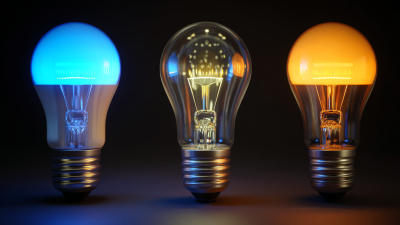
When designing a lighting plan, consider factors such as the color temperature of light sources and their impact on mood and perception. Warmer tones, for example, can create a cozy and inviting environment, whereas cooler tones may enhance concentration and alertness. Additionally, pay attention to the distribution of light to minimize shadows and glare, both of which can detract from productivity and comfort. Integrating natural light where possible will not only reduce energy costs but also contribute to a healthy and motivating work environment, further enhancing both aesthetic and functional elements of the space.