10 Essential Tips for Choosing the Right Commercial Lighting Fixtures
In the world of commercial architecture and interior design, the selection of the right commercial lighting fixtures is crucial for creating a functional and aesthetically pleasing environment. As industry expert John Smith, a veteran in commercial lighting solutions, notes, “The right lighting not only enhances a space but also influences customer behavior and employee productivity.” With the myriad of options available, choosing from various styles, technologies, and functional features can be overwhelming for business owners and designers alike.
Effective lighting goes beyond mere illumination; it plays a significant role in branding and atmosphere. In retail spaces, for instance, well-placed commercial lighting fixtures can highlight merchandise, draw attention to displays, and create an inviting ambiance that encourages consumers to linger. Similarly, in office environments, the proper lighting can enhance focus and well-being among employees.
Therefore, understanding the nuances of different lighting fixtures is essential for achieving the desired outcome in any commercial setting. This article will explore ten essential tips that can guide you in selecting the perfect commercial lighting fixtures for your needs, ensuring both functionality and style align seamlessly with your business goals.
Factors to Consider When Selecting Commercial Lighting Fixtures
When selecting commercial lighting fixtures, several key factors should be taken into account to ensure that the lighting meets both aesthetic and functional needs. First and foremost, consider the purpose of the space. Different environments, such as offices, retail stores, or warehouses, require distinct lighting solutions to enhance productivity and create the desired ambiance. For example, bright, white light is often essential in workspaces to reduce eye strain, while warmer tones might be more suitable for restaurants to create a cozy atmosphere.
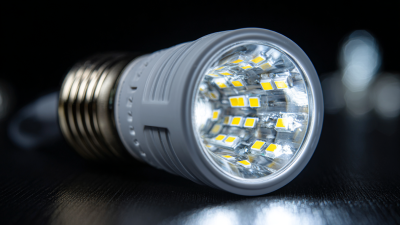
Another crucial factor is energy efficiency. With an increasing emphasis on sustainability, choosing LED fixtures can not only lower energy costs but also extend the lifespan of the lighting systems. Additionally, it's vital to assess the layout of the space and the height of ceilings, as these elements will influence the type and number of fixtures required for adequate coverage and to minimize shadows. Lastly, take into account the design and style of the fixtures; they should complement the overall decor of the space while providing adequate illumination.
Commercial Lighting Fixtures Selection Criteria
Understanding Different Types of Commercial Lighting and Their Applications
When selecting commercial lighting fixtures, it's crucial to understand the various types available and their specific applications. Generally, the two primary categories of commercial lighting are ambient and task lighting. Ambient lighting provides overall illumination for a space, ensuring safety and ease of navigation. Common ambient lighting fixtures include fluorescent panels and LED troffers, which can be found in offices and retail environments. These fixtures create a balanced light level that enhances the overall visibility of a space without being overwhelming.
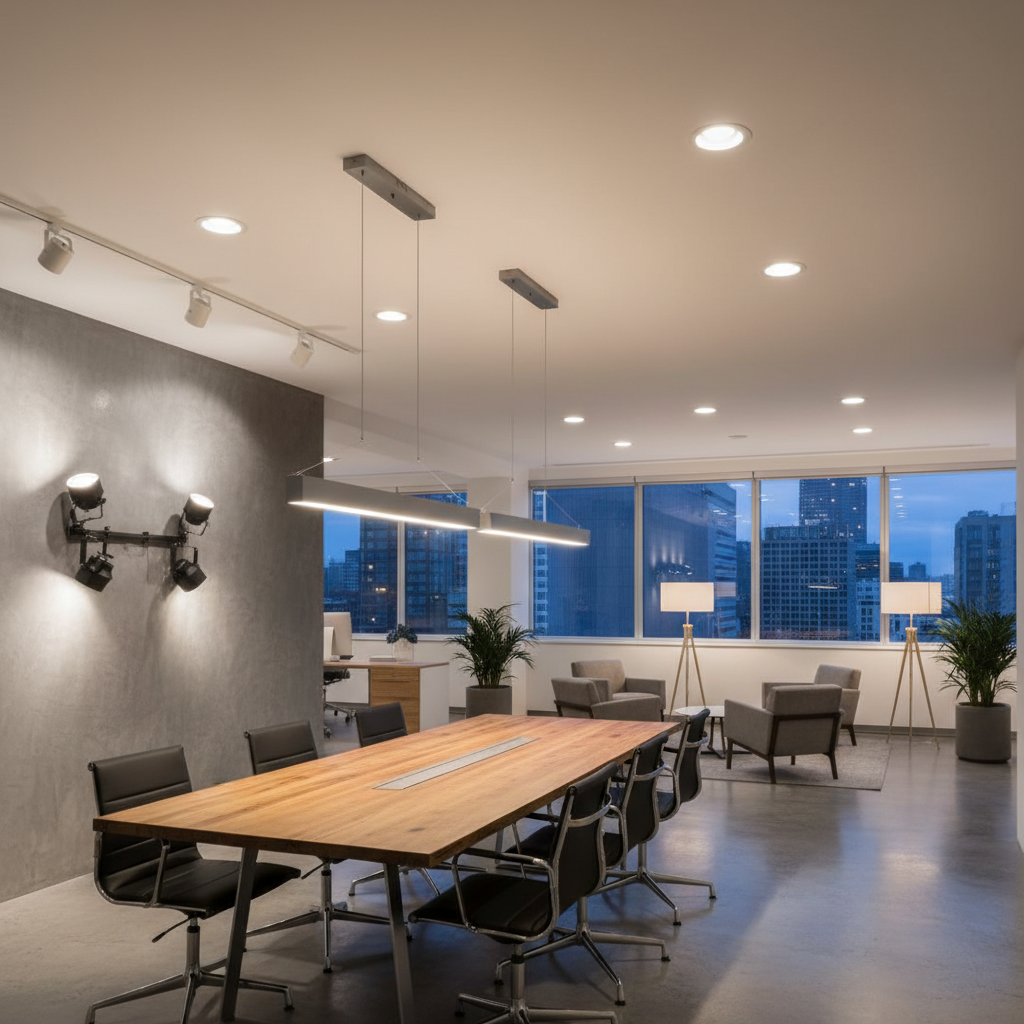
On the other hand, task lighting is designed to illuminate specific areas where detailed work is performed. Fixtures such as pendant lights, track lights, and under-cabinet lighting fall into this category. They are essential in settings like kitchens, workshops, and study areas, where precision and focus are necessary. Understanding the distinct roles of ambient and task lighting can significantly influence the effectiveness and functionality of a commercial environment, helping create a conducive atmosphere for productivity and safety.
Evaluating Energy Efficiency and Lifespan of Lighting Options
When selecting commercial lighting fixtures, evaluating energy efficiency and lifespan is crucial for both environmental impact and operational costs. According to the U.S. Department of Energy, lighting accounts for about 15% of the average commercial energy bill. This makes choosing energy-efficient options, such as LED fixtures, essential. LED lights consume up to 75% less energy than traditional incandescent bulbs and last approximately 25 times longer, significantly reducing replacement costs and maintenance efforts.
Furthermore, the longevity of lighting fixtures directly influences overall sustainability. A standard LED lighting fixture can have a lifespan of 15,000 to 50,000 hours, while fluorescent lights typically last only about 7,000 to 15,000 hours. The longer lifespan means fewer fixtures end up in landfills, aligning with corporate responsibility goals. A report by the Energy Star program indicates that using energy-efficient lighting can save businesses up to 30% on their yearly energy costs. This financial benefit, coupled with reduced environmental impact, highlights the importance of prioritizing energy-efficient and long-lasting lighting solutions in commercial settings.
Importance of Aesthetics and Functionality in Lighting Design
When it comes to commercial lighting design, the delicate balance between aesthetics and functionality cannot be overstated. According to a report from the American Society of Interior Designers, 73% of interior designers believe that lighting is the most critical element in creating an inviting atmosphere. Aesthetically pleasing lighting not only enhances the overall ambiance of a space, but it also significantly influences customer perceptions. Research shows that well-lit retail environments can increase sales by up to 30%, highlighting the importance of choosing fixtures that blend style with purpose.
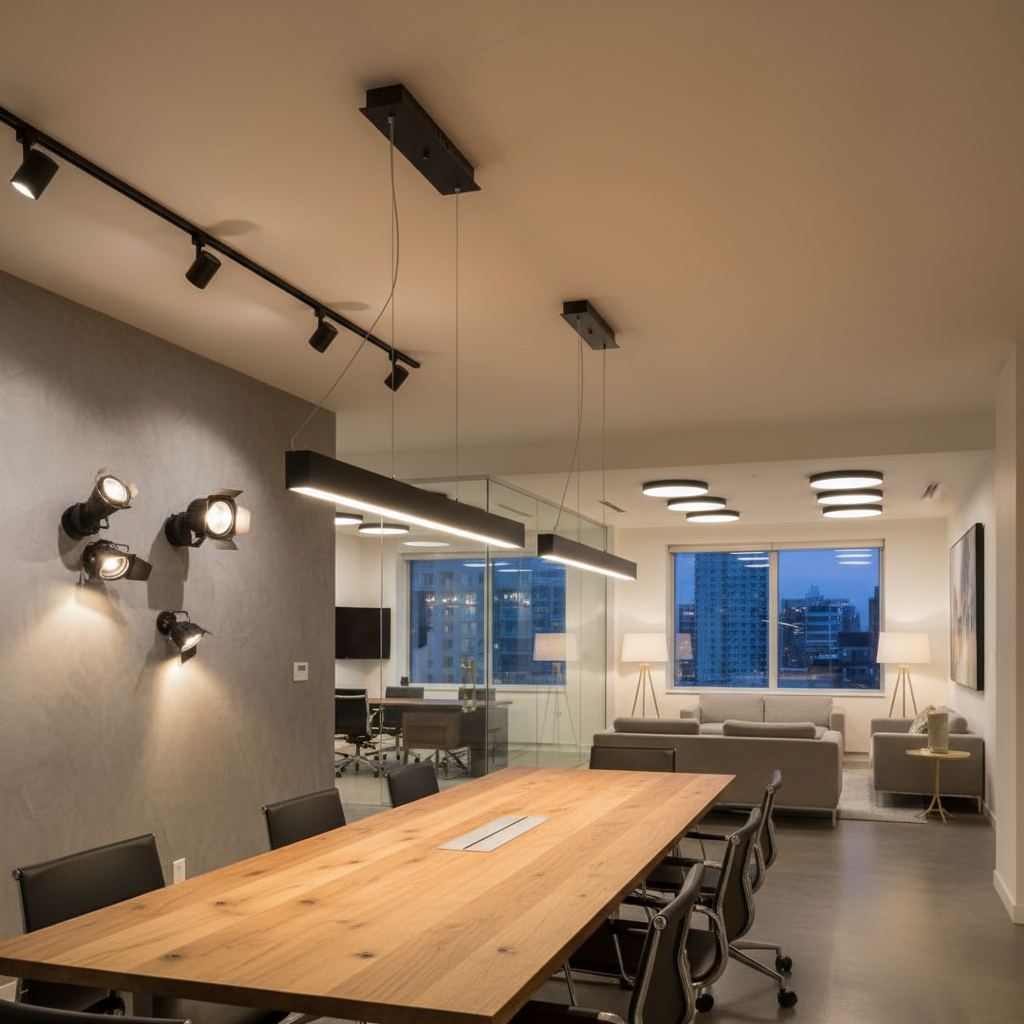
Functionality plays a vital role in the effectiveness of commercial lighting. The Illuminating Engineering Society (IES) recommends that businesses assess their unique lighting needs based on the specific tasks performed in each area. Proper task lighting can improve employee productivity by up to 15%, as employees are less likely to experience eye strain and fatigue. By integrating aesthetic considerations with practical functionalities, commercial spaces can create environments that not only look good but also support the well-being and efficiency of both customers and staff.
Budgeting for Installation and Long-Term Maintenance Costs
When selecting commercial lighting fixtures, budgeting for installation and long-term maintenance costs is crucial. Initially, the installation expenses can vary significantly based on the complexity of the system and the type of fixtures chosen. It's essential to account for labor costs, as hiring professional electricians ensures safety and compliance with local regulations. Consider engaging with contractors who can provide a detailed quote, including potential overtime or additional materials that may arise during the installation process.
Beyond the initial setup, maintenance costs play a pivotal role in the overall budget. Different lighting technologies come with varying lifespans and repair needs. For instance, LED fixtures, while initially more expensive, offer lower energy consumption and longer life expectancy, reducing long-term maintenance efforts and costs. Regular upkeep, including cleaning and occasional bulb replacements, should also be factored into your budget. Analyzing both upfront and ongoing expenses will help in making informed decisions that ensure both functionality and cost-effectiveness in the long run.
10 Essential Tips for Choosing the Right Commercial Lighting Fixtures - Budgeting for Installation and Long-Term Maintenance Costs
| Tip |
Description |
Estimated Installation Cost |
Long-Term Maintenance Cost (Yearly) |
| 1. Assess Your Needs |
Consider the purpose of the space and the type of lighting required. |
$200 |
$50 |
| 2. Energy Efficiency |
Choose fixtures that reduce energy consumption. |
$250 |
$30 |
| 3. Lighting Control Systems |
Implement controls for adjusting light levels. |
$300 |
$20 |
| 4. Material Durability |
Select fixtures made from durable materials for longevity. |
$150 |
$25 |
| 5. Aesthetic Appeal |
Choose designs that match your interior decor. |
$100 |
$15 |
| 6. Compliance with Regulations |
Ensure fixtures meet local building codes and standards. |
$200 |
$5 |
| 7. Flexibility and Adaptability |
Select adjustable fixtures to accommodate different needs. |
$250 |
$30 |
| 8. Budgeting for Bulk Purchases |
Take advantage of bulk discounts when purchasing fixtures. |
$1000 |
$50 |
| 9. Planned Maintenance Schedule |
Establish a routine for checking and replacing bulbs. |
$150 |
$40 |
| 10. Consult with Professionals |
Hire lighting professionals for guidance and installation. |
$500 |
$60 |