10 Essential Tips for Choosing LED Lighting Fixtures for Your Home
When it comes to illuminating our homes, the choice of lighting fixtures can significantly influence both aesthetics and functionality. Expert in residential lighting, Dr. Emily Carter, emphasizes that "the right LED lighting fixtures can transform an ordinary space into a welcoming and vibrant environment." As LED technology continues to evolve, homeowners are presented with a multitude of options that promise energy efficiency, longevity, and style.
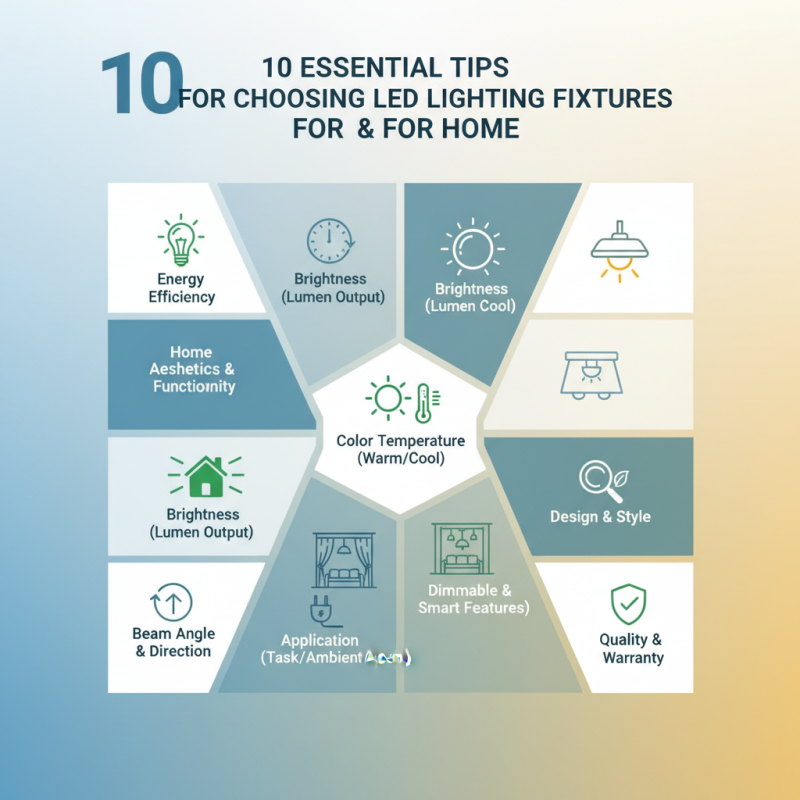
In light of these advancements, selecting the appropriate LED lighting fixtures for your home can often feel overwhelming. With variations in design, brightness, color temperature, and application, it's essential to make informed decisions that align with your personal taste and practical needs. This guide will provide you with ten essential tips to navigate the selection process of LED lighting fixtures, ensuring that your home is not only well-lit but also embodies the comfort and beauty you desire.
Understanding LED Lighting: Key Benefits and Features
LED lighting has revolutionized residential illumination by offering numerous benefits over traditional lighting solutions. One of the paramount advantages is energy efficiency; according to the U.S. Department of Energy, LED light bulbs use at least 75% less energy than incandescent bulbs, leading to significant reductions in electricity bills. Additionally, LEDs have a much longer lifespan, typically lasting 15,000 to 25,000 hours compared to incandescent bulbs, which last about 1,000 hours. This longevity not only reduces replacement costs but also lowers waste, making LEDs a more sustainable choice for homeowners.
Moreover, LED lighting can enhance the quality of light in your home. They emit light in a specific direction, which makes them ideal for task lighting and reducing the need for reflectors and diffusers that cause light loss. This directional lighting can significantly improve the ambiance and functionality of spaces. Furthermore, modern LEDs are available in a variety of color temperatures, allowing homeowners to customize their lighting to suit different moods and activities. Research from the Lighting Research Center indicates that the color temperature of light can influence mood and productivity, emphasizing the importance of choosing the right LED fixtures to optimize the environment in your home.
LED Lighting Fixtures Comparison
This chart compares four essential features of LED lighting fixtures: Brightness (measured in lumens), Lifespan (in hours), Energy Efficiency (in watts consumed), and Cost (in dollars). These features highlight the advantages of choosing the right LED lighting for your home.
Identifying Your Lighting Needs: Room Types and Uses
When it comes to choosing LED lighting fixtures for your home, the first step is to identify your specific lighting needs based on the types of rooms and their intended uses. Different spaces require different types of illumination; for instance, kitchens benefit from bright, focused lighting for cooking tasks, while living rooms might need softer, ambient lighting to create a cozy atmosphere. Assessing how you use each room will help guide your selection process.
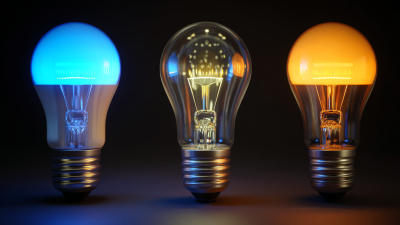
One essential tip is to consider the color temperature of the LEDs. Warmer tones (between 2700K to 3000K) are perfect for relaxing spaces like bedrooms or living rooms, while cooler tones (around 4000K to 5000K) are better suited for work areas where clarity and focus are vital. Another important aspect is the fixture style, which should complement your home decor while providing adequate lighting for the tasks at hand. Using dimmers can also enhance flexibility, allowing you to adjust brightness levels based on mood or functionality.
Lastly, think about energy efficiency and longevity. LEDs consume less energy than traditional bulbs and have a longer lifespan, making them a smart investment. Even though the initial cost may be higher, the energy savings and reduced frequency of replacement make LED fixtures an economical choice in the long run. By carefully evaluating your rooms' requirements and matching those with suitable lighting fixtures, you’ll create spaces that are both functional and inviting.
Evaluating Energy Efficiency: Lumens, Watts, and Lifespan
When selecting LED lighting fixtures for your home, understanding energy efficiency is paramount. Among the key metrics used to measure the energy efficiency of lighting are lumens, watts, and lifespan. Lumens measure the brightness of the light, while watts indicate how much energy is consumed by the fixture. Effective LED lighting typically offers around 80-100 lumens per watt, significantly outperforming traditional incandescent bulbs, which provide only about 10-17 lumens per watt. This means that by switching to LED fixtures, homeowners can enjoy brighter spaces while drastically reducing their electricity usage.

An important aspect of evaluating LED lighting is their lifespan, which can vary significantly across different products. The average lifespan of a quality LED bulb is approximately 25,000 to 50,000 hours, compared to around 1,000 hours for incandescent bulbs. According to the U.S. Department of Energy, if every American home replaced just one incandescent bulb with an ENERGY STAR® certified LED bulb, the country would save over $200 million in energy costs and prevent the release of more than 1 billion pounds of greenhouse gas emissions annually. Therefore, investing in LED lighting not only enhances the aesthetic and functional aspects of your home but also contributes to long-term energy savings and environmental sustainability.
Design Considerations: Aesthetic and Functional Aspects
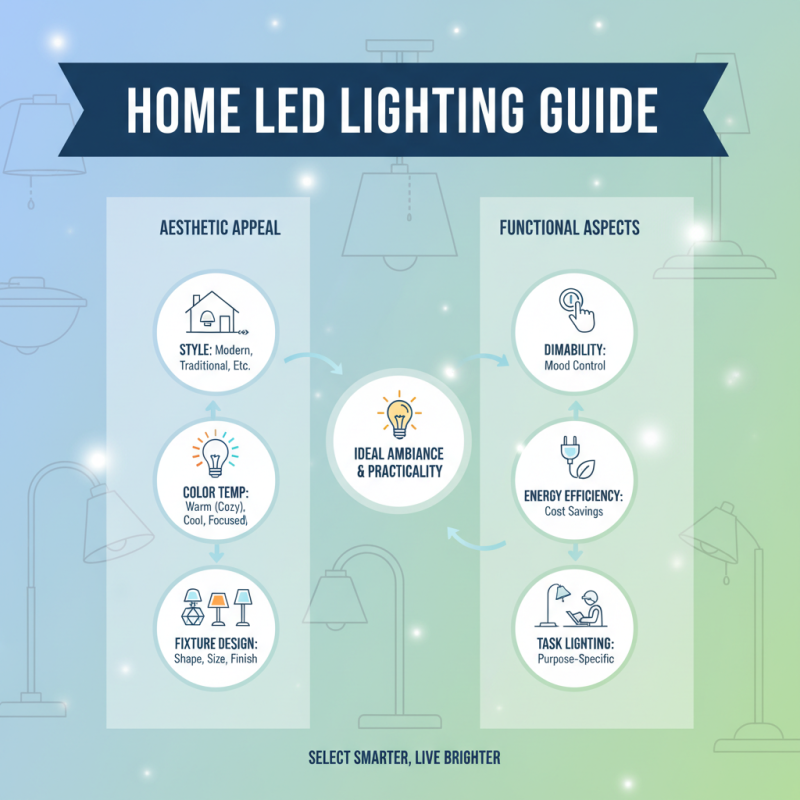
When selecting LED lighting fixtures for your home, considering both aesthetic and functional aspects is crucial to achieving the desired ambiance while ensuring practicality. Aesthetic appeal plays a significant role in how lighting fixtures complement your interior design. Choose fixtures that align with your home’s style, whether it's modern, minimalist, traditional, or eclectic. The color temperature of the LED bulbs can greatly affect the mood of a room, with warm temperatures creating a cozy atmosphere and cooler temperatures offering a more vibrant and focused environment. Additionally, the design of the fixture itself, including its shape, size, and finish, can enhance or detract from your decor, making it important to find a balance that enhances the overall look.
Functionality is equally important when choosing LED lighting fixtures. Consider the purpose of each space and how lighting can enhance its usability. For example, bright, focused lighting may be necessary in workspaces or kitchens, while softer, diffused light might be better suited for living rooms or bedrooms. Adjustable fixtures and those that allow for dimming can provide versatility, accommodating different activities throughout the day. Energy efficiency is another key factor; LED fixtures typically consume less power and have a longer lifespan than traditional lighting, making them both an environmentally friendly and cost-effective choice. Keeping these functional considerations in mind alongside your aesthetic preferences will result in a well-lit, beautiful home that satisfies both form and function.
Budgeting for LED Fixtures: Cost and Long-Term Savings
When budgeting for LED lighting fixtures, it’s essential to consider both the initial costs and the long-term savings associated with these energy-efficient options. While the upfront investment for LED fixtures can be higher than traditional lighting, the Energy Information Administration (EIA) reports that LEDs can reduce energy consumption by up to 75% compared to incandescent bulbs. This significant reduction in energy use translates into reduced electricity bills, making LEDs a financially smart choice over time.
Moreover, LEDs have a much longer lifespan—averaging around 25,000 to 50,000 hours compared to approximately 1,000 hours for incandescent bulbs. According to a study by the U.S. Department of Energy (DOE), switching to LED lighting can yield cost savings of around $225 over the lifetime of a single LED bulb. Additionally, as the technology continues to evolve, the price of LED fixtures is expected to decrease even more, prompting many homeowners to make the switch now to capitalize on lower prices while enjoying substantial energy savings in the years to follow. Investing in LED lighting is not just a choice for modern aesthetics; it’s a strategic financial decision with impressive long-term benefits.
10 Essential Tips for Choosing LED Lighting Fixtures for Your Home - Budgeting for LED Fixtures: Cost and Long-Term Savings
| Tip # |
Tip Description |
Estimated Cost per Fixture |
Energy Savings Over Time (10 Years) |
| 1 |
Consider the lumens required for each room |
$30 |
$600 |
| 2 |
Select fixtures with a high efficiency rating |
$45 |
$750 |
| 3 |
Choose fixtures that complement your home decor |
$50 |
$600 |
| 4 |
Look for dimmable options for added flexibility |
$55 |
$720 |
| 5 |
Evaluate the color temperature for desired ambiance |
$40 |
$650 |
| 6 |
Check for warranty and longevity ratings |
$38 |
$680 |
| 7 |
Consider smart lighting features for modern homes |
$70 |
$900 |
| 8 |
Research user reviews and testimonials |
$25 |
$580 |
| 9 |
Calculate the total cost of ownership |
$35 |
$620 |
| 10 |
Plan for installation costs if necessary |
$60 |
$700 |