10 Essential Tips for Choosing the Right LED Fixtures for Your Space?
Choosing the right LED fixtures is crucial for any space, whether it's a cozy home or a large office. According to Jane Smith, an expert in the lighting industry, “The right LED fixtures can make or break the ambiance of a room.” This highlights how important it is to understand your options and needs.
When considering LED fixtures, think about style, brightness, and energy efficiency. Some fixtures can enhance a room's character, while others may feel out of place. The choices can be overwhelming, and making the wrong decision might lead to dissatisfaction. Pay attention to details like color temperature and design to ensure harmony within the space.
Reflect on your personal style and functional needs. Sometimes, less popular choices can be the most effective. Don't shy away from seeking advice from professionals like Jane Smith. Her insights can help navigate the complexity of selecting the perfect LED fixtures that truly fit your vision. In the end, it’s about creating a space that feels just right.
Understanding LED Fixture Types: A Comprehensive Overview
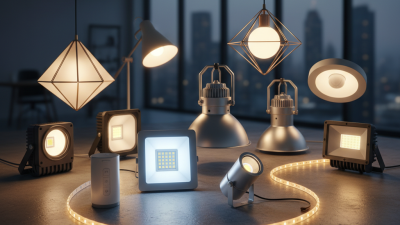
When choosing LED fixtures, understanding the different types is crucial. There are multiple options available, such as recessed lights, surface mounts, and pendant fixtures. Each type serves a unique purpose. Recessed lights are sleek and modern. They blend seamlessly into ceilings, providing a clean look. Surface mounts, on the other hand, are more visible and can serve as statement pieces in a room.
Consider the lighting needs of your space before making a decision. Brightness matters. A well-lit kitchen may require brighter fixtures compared to a cozy living room. You might find it helpful to create layers of light. Combining ambient, task, and accent lighting adds depth. However, be mindful of wattage and color temperature. A cooler light can feel harsh.
Lastly, don’t overlook energy efficiency. While LEDs are generally more economical, pay attention to lumens per watt. You might assume higher lumens always mean better light, but that's not always true. Reading product specifications is essential. It may feel overwhelming, but taking the time to understand options can lead to better choices.
10 Essential Tips for Choosing the Right LED Fixtures for Your Space
| Tip No. |
Aspect to Consider |
Description |
| 1 |
Lumens Output |
Choose fixtures that provide adequate brightness based on room size. |
| 2 |
Color Temperature |
Select warm or cool lighting based on the mood you want to create. |
| 3 |
Fixture Style |
Consider the design and aesthetic that complements your space. |
| 4 |
Energy Efficiency |
Opt for LED fixtures with high energy efficiency ratings to save on bills. |
| 5 |
Installation Type |
Choose hardwired or plug-and-play fixtures based on your setup. |
| 6 |
Dimming Capability |
Look for dimmable fixtures if you need adjustable brightness. |
| 7 |
Control Options |
Consider smart lighting options that can be controlled via apps. |
| 8 |
Durability |
Check for fixtures with a long lifespan and warranty. |
| 9 |
IP Rating |
Choose fixtures with appropriate IP ratings for moisture-prone areas. |
| 10 |
Budget |
Set a clear budget to find fixtures that meet both your needs and financial limits. |
Assessing Luminous Efficacy: What is Adequate for Your Space?
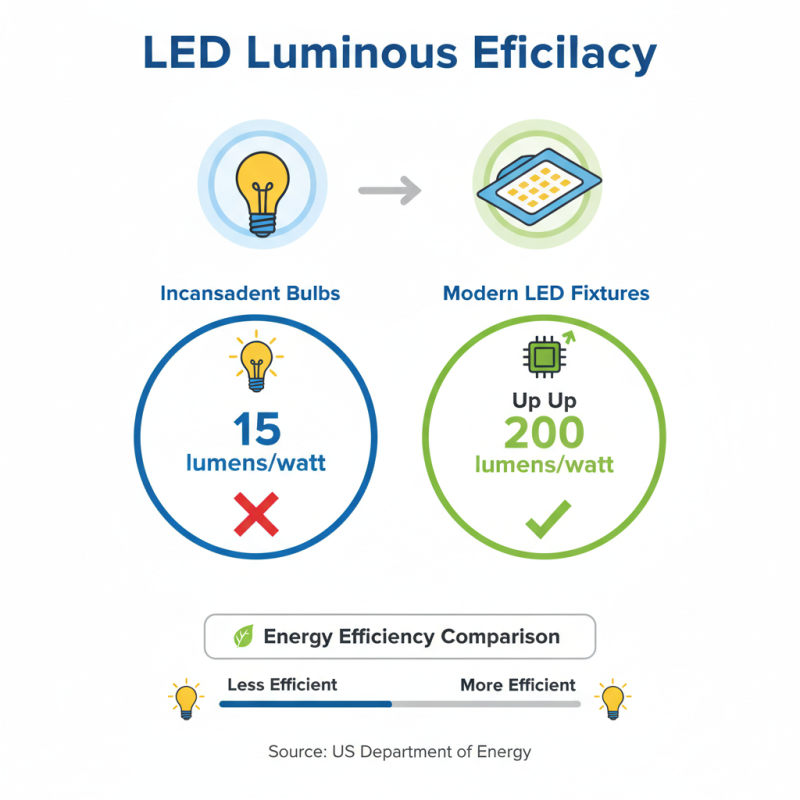
When selecting LED fixtures, assessing luminous efficacy is crucial. Luminous efficacy measures how much visible light is produced per watt of electrical power. It helps determine if a fixture is energy-efficient or not. According to the U.S. Department of Energy, modern LEDs can achieve efficacies of up to 200 lumens per watt. This is a significant improvement over traditional incandescent bulbs, which typically offer around 15 lumens per watt.
For residential spaces, an efficacy of 80 to 100 lumens per watt is generally adequate. However, higher efficacy may be necessary in commercial environments. For instance, offices might need around 100 to 120 lumens per watt for optimal illumination. Specific tasks, like reading or crafting, could demand even more light. Still, it is essential to remember not to go overboard. Excessive brightness can lead to glare and discomfort.
In achieving the right balance, consider the needs of your space. Measure room dimensions and intended uses. Test different fixtures for your lighting design. Evaluate whether your choices provide adequate lighting while maintaining comfort. While higher lumens are beneficial, they aren't everything. Finding the right fit requires evaluation and sometimes a bit of trial and error.
Color Temperature and CRI: Choosing the Right Ambience for Each Room
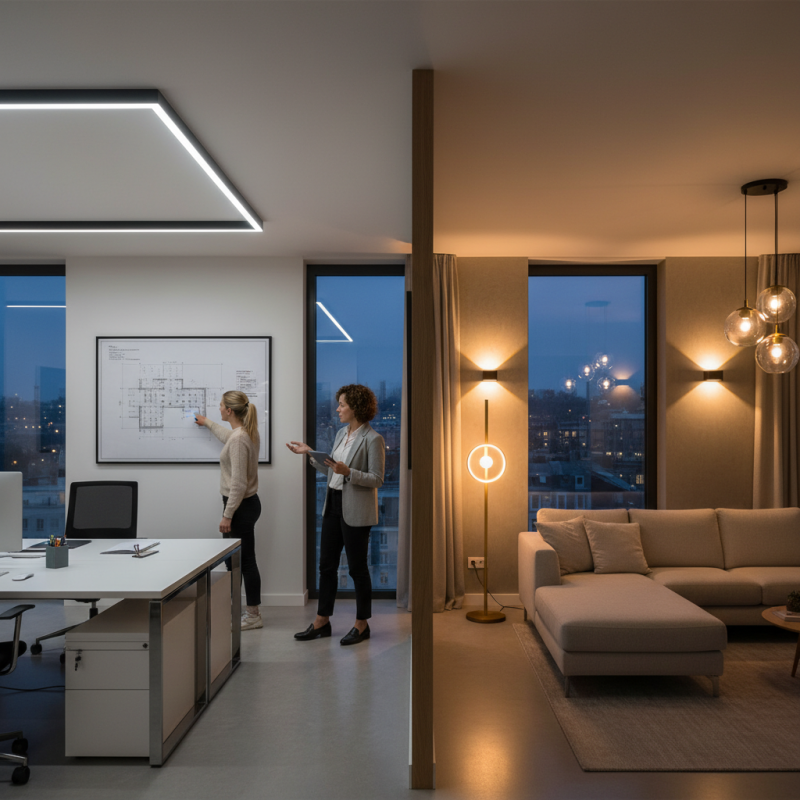
When choosing LED fixtures, color temperature plays a vital role in creating the right atmosphere. Different spaces require different ambiances. For instance, a warm light (2700K-3000K) creates a cozy feel, perfect for living rooms and bedrooms. Conversely, a cooler light (4000K-5000K) invigorates areas like kitchens or offices.
Consider the Color Rendering Index (CRI) as well. A higher CRI means colors appear more accurate under light. Look for fixtures with a CRI of at least 80 for realistic color depiction. This is crucial in spaces that depend on aesthetics, such as art studios or retail environments.
Tip: Test the lights in your space before committing. Bring home samples to see how they interact with your existing decor. Lighting can look different at various times of the day. Imagine a light that brightens your room but casts strange shadows—this can affect your mood. Be realistic about what you want. Adjustable lighting might be a good compromise. Different activities require different light.
Color Temperature and CRI: Choosing the Right Ambience for Each Room
The following chart displays the recommended color temperature (in Kelvin) and CRI (Color Rendering Index) for various rooms in a residential space. This will help you choose the appropriate LED fixtures to achieve the desired ambiance.
Energy Efficiency Ratings: Evaluating Costs Over Time for LED Fixtures
When choosing LED fixtures, energy efficiency ratings play a crucial role. These ratings help evaluate the long-term costs associated with your lighting choices. According to the Department of Energy, LEDs use up to 75% less energy than traditional incandescent bulbs. This significant reduction can lead to substantial savings over time.
Consider the initial cost of LED fixtures versus their lifespan and energy savings. While LEDs might cost more upfront, they can last up to 25,000 hours. In contrast, incandescent lights only last about 1,000 hours. A recent study indicated that switching to LED can save an average household around $225 in energy costs over 10 years.
It's also important to assess the lighting quality. Some LEDs may not provide the color temperature or brightness you desire. Installing fixtures that do not fit your needs can lead to dissatisfaction and wasted energy. Balancing energy efficiency with your specific requirements is essential. When evaluating options, refer to the Energy Star ratings to ensure optimal choices for your space.
Placement and Design: Maximizing Light Distribution in Your Environment
When choosing LED fixtures,
placement and design are crucial. Proper light distribution enhances
every space. Consider how light interacts with walls, furniture,
and other elements. A well-lit area creates warmth, but poor
placement can lead to harsh shadows.
Sometimes, we underestimate this effect.
For instance, placing fixtures too high can create a
spotlight effect. The light
may not reach all corners effectively. Lower fixtures can illuminate
areas more evenly.
Experiment with angles and positions. Try different
arrangements until you find what works. It can feel overwhelming,
but adjusting placements is part of the process.
Design also plays a significant role. The color of your walls
influences how light is perceived. Lighter colors reflect more
light, while darker shades absorb it. A bold design choice might
seem appealing, but it could impact light quality. Reflect on how
each element fits together.
Pay attention to these details. A well thought out plan will
maximize your LED fixture’s potential.