What is a LED Panel and How Does it Work?

LED panels have transformed modern lighting solutions. They are sleek, efficient, and increasingly popular in homes and businesses. What exactly is an LED panel? At its core, it is a flat light source that uses light-emitting diodes (LEDs) to produce illumination.

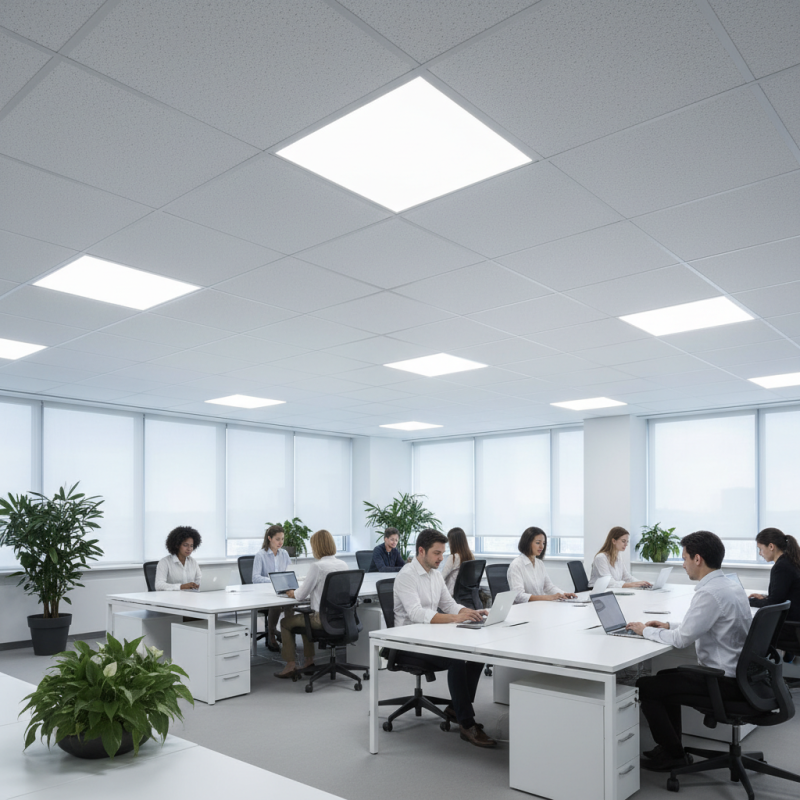
These panels offer significant advantages over traditional lighting options. They consume less energy and last longer. An LED panel can create a bright, uniform light that enhances any environment. This technology is often used in offices, classrooms, and outdoor settings.

However, not all LED panels are created equal. Some may not deliver the intensity or color quality desired. Issues can arise with installation or compatibility. Exploring these challenges is crucial for anyone considering LED panels in their lighting design. Understanding how these panels work helps maximize their potential.
What is a LED Panel and How Does it Work?

What is a LED Panel? Definition and Basic Characteristics

What is a LED Panel and How Does it Work?

LED panels are a type of flat lighting device that uses light-emitting diodes to produce illumination. These panels are increasingly popular for their slim design and energy efficiency. They can be used in various applications, such as office lighting, retail displays, and residential settings. With a sleek appearance, LED panels can complement modern interior designs.

The basic characteristics of LED panels include brightness, color temperature, and longevity. Brightness is measured in lumens, while color temperature, indicated in Kelvin, affects the light's warmth. Generally, a cooler light (higher Kelvin) is preferred for workspaces. These panels can last up to 50,000 hours or more, significantly reducing the need for replacements. Such long life is appealing, but it can be a double-edged sword; if a panel fails, it may be costly to replace the entire unit.

LED panels are often slimmer than traditional lighting options. However, this sleek appearance might compromise heat dissipation. While many panels are designed to manage heat well, some might overheat if not installed correctly. Users should be attentive to installation guidelines to avoid such pitfalls. Ultimately, understanding these basic characteristics allows for better lighting choices.

Components of LED Panels: Key Elements Explained

LED panels are fascinating devices that utilize a combination of key components to produce bright and vibrant lighting. At the core, these panels consist of light-emitting diodes (LEDs) that convert electrical energy into light. Each diode emits light of a specific color, and when combined, they create a wide spectrum of hues. This basic principle allows for energy-efficient lighting solutions.

Another essential element is the circuit board, which provides the necessary electrical connections. It ensures that each LED operates optimally. The panel’s housing also plays a crucial role; it protects the components and manages heat dissipation. A good housing design can significantly enhance the panel's performance and lifespan.

However, not all LED panels are created equal. Factors like heat management and color accuracy can vary widely. This inconsistency can impact user experience in real-world applications. Understanding these components helps users make better choices. In a way, it’s about finding balance amidst the technical complexities.

How LED Panels Generate Light: The Working Principle

LED panels have gained popularity for their efficiency and versatility. But how do they generate light? The working principle of LED panels revolves around electroluminescence. When electricity passes through the semiconductor material, it excites electrons. These excited electrons then release energy in the form of photons, which is visible light.

The construction of LED panels is vital to their performance. Typically, several layers of semiconductor materials are used. Each layer has a different energy bandgap, determining the color of the emitted light. The arrangement can lead to inconsistencies. Some panels might flicker or have uneven color distribution. Ensuring uniformity can be a challenge for manufacturers.

Heat dissipation is another important factor. LED panels can generate heat, which may affect their lifespan and efficiency. Proper heat management solutions, like aluminum heatsinks, are essential. However, not all designs manage heat optimally, leading to potential performance issues. Users should notice these aspects when selecting or using LED panels, as they can heavily influence the overall experience and effectiveness of the lighting solution.

Applications of LED Panels: Common Uses Across Industries

LED panels have transformed various industries with their versatility. They are widely used in commercial spaces, healthcare, education, and entertainment. For instance, according to a report by Grand View Research, the global LED panel market is expected to reach $75 billion by 2027, primarily driven by demand in these sectors.

In retail, LED panels enhance customer experience through captivating displays. Bright, dynamic visuals attract attention and influence purchasing decisions. Hospitals utilize LED panels for illumination and information. These panels provide clear visibility, crucial in emergency situations. In schools, LED technology supports interactive learning environments, fostering student engagement.

While the benefits are significant, challenges persist. Not all LED products meet environmental standards. Issues like energy consumption and waste management need attention. A survey by the International Energy Agency shows that energy-efficient lighting can reduce overall consumption by 20%. The emphasis is on balancing quality with sustainability. As industries continue to adopt LED technology, a thoughtful approach is essential.

What is a LED Panel and How Does it Work? - Applications of LED Panels: Common Uses Across Industries

Application Area Description Benefits
Retail Used for displaying advertisements and promotions. Attracts customers and enhances visual appeal.
Corporate Offices Used for presentations and communication. Improves communication and engagement.
Broadcasting Used as backdrops for TV shows and events. Enhances visual impact and viewer experience.
Transportation Used for signage in airports and train stations. Provides up-to-date information and directions.
Architecture Used in building façades for illumination. Creates stunning visual effects and ambiance.
Education Used in classrooms for presentations. Facilitates interactive learning and engagement.

Advantages of LED Panels: Benefits over Traditional Lighting Technologies

LED panels have gained popularity in various settings due to their significant advantages over traditional lighting technologies. One major benefit is energy efficiency. According to a report by the U.S. Department of Energy, LED lighting uses about 75% less energy than incandescent lighting. This reduction can lead to substantial cost savings over time for businesses and households.

In addition to energy savings, LED panels provide improved longevity. Typical LED panels can last up to 50,000 hours, compared to just 1,000 hours for incandescent bulbs. This longevity means fewer replacements and reduced waste. However, not all LED products offer the same lifespan, leading to potential concerns about quality. It's essential to research and select panels that meet sustainability standards.

Moreover, LED panels enhance lighting quality with better color rendering capabilities. They produce less heat and provide consistent illumination. However, some users may experience discomfort from harsh LED glare. This issue reflects the need for designs that prioritize user comfort, ensuring that the technology serves its purpose effectively while minimizing potential downsides.

has been added to your cart.
Checkout