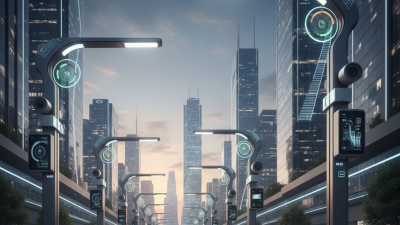
Lighting fixtures are the practical interface between electricity and human vision. They include recessed downlights, pendant lamps, wall sconces, streetlights, and industrial high bays. Each fixture combines a light source, housing, optics, electrical connections, and often a driver or control system. Together, these parts shape brightness, color, direction, glare, and heat.
The International Energy Agency reports that lighting uses about 15% of global electricity. That figure makes fixture design more than a decorative decision. It affects energy bills, maintenance schedules, visual comfort, and carbon emissions. The U.S. Department of Energy’s solid-state lighting research also shows how rapidly LED efficiency has improved, although real-world performance depends on thermal management, optics, and installation quality. A high-efficiency LED can still perform poorly inside a cramped housing. Heat has consequences.
Richard Kelly, a pioneering American lighting designer, wrote, “The purpose of all lighting is to help people see.” His idea remains useful, but it needs refinement. Modern lighting fixtures must also support safety, atmosphere, accessibility, and human circadian needs. This guide will explain how current fixtures work, from the incoming electrical current to the driver, LED module, reflector, lens, and final beam on a desk or floor. It will compare fixture types, explain lumens, watts, color temperature, and beam angles, and identify common installation mistakes. Some choices are less obvious than they appear. A bright fixture may create harsh glare. A beautiful diffuser may reduce useful light. Understanding those trade-offs leads to better lighting decisions.
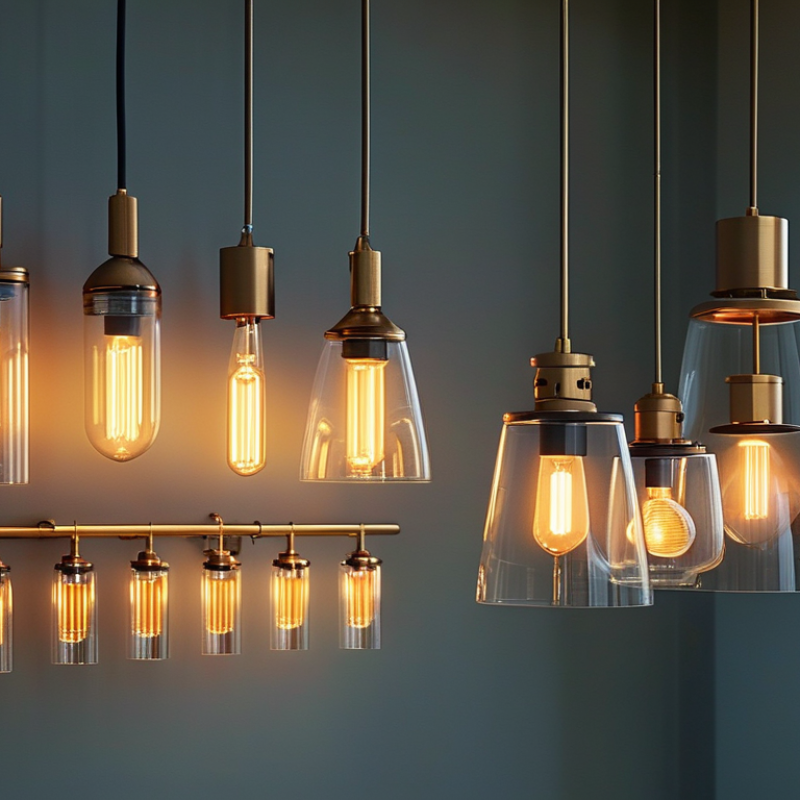
Lighting fixtures are complete systems that produce, direct, and control light. They do more than hold a lamp. A typical fixture includes a housing, light source, driver, optics, wiring, mounting hardware, and thermal components. The housing protects internal parts from dust and contact. The light source may be an LED module, a fluorescent tube, or another electric lamp. The driver regulates incoming power and supplies stable current. Without it, many LED systems flicker or fail early.
Optics shape the beam. Reflectors push light outward, while lenses narrow, soften, or spread it across a room. A heat sink moves heat away from the light source. This matters because excessive heat can reduce output and shorten operating life. In a recessed ceiling fixture, the trim controls the visible edge, while the junction box and mounting clips keep the unit secure. Small details matter.
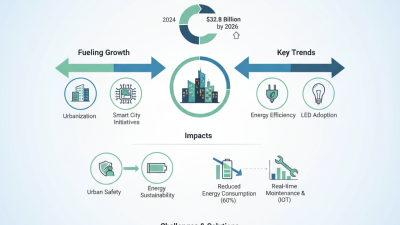
The International Energy Agency’s Energy Efficiency 2023 report estimates that lighting uses about 15% of global electricity. It also links lighting to roughly 5% of global energy-related emissions. The U.S. Department of Energy’s 2023 Solid-State Lighting R&D Opportunities report highlights efficacy, thermal management, and controls as major technical priorities. A fixture can look efficient on paper. Yet dirty lenses, poor ventilation, or incorrect placement can waste useful light. Specifications cannot predict every room. Efficiency is not automatic.
A lighting fixture is more than a visible bulb. It is a housing that receives electrical power and turns it into useful illumination. Inside, a driver controls current for light-emitting diodes, while older systems may use a ballast. The light source creates photons, but the fixture determines where those photons travel.
Reflectors, lenses, and diffusers shape the output. A reflector can push light downward onto a work surface. A lens can narrow the beam for focused lighting or spread it across a wider area. A diffuser softens harsh points and reduces glare. The housing also supports heat management. Metal surfaces often move heat away from the light source, helping maintain performance over time.
In practical installations, beam angle matters as much as brightness. A narrow beam can highlight a painting, while a wide beam suits a hallway. Color temperature changes the room’s visual character, and color rendering affects how accurately surfaces appear. Dimming controls may adjust output, but poor compatibility can cause flicker or uneven changes. I have found that specifications rarely tell the whole story. Wall color, ceiling height, dust, and viewing position also influence the result. A fixture that looks efficient on paper may still create shadows or glare in daily use.
Typical luminous efficacy of light sources used in lighting fixtures
Lighting fixtures contain a light source, electrical components, and optical parts such as reflectors, lenses, or diffusers. Luminous efficacy measures how much visible light is produced for each watt of electrical power. Higher values generally indicate greater energy efficiency. The fixture’s optics then shape and direct the light to provide focused, uniform, or diffused illumination.
What Are Lighting Fixtures and How Do They Work?
Lighting fixtures are the practical structures that hold, power, and direct light sources. They connect to electrical wiring and manage how light spreads through a room. A well-designed fixture also supports heat control, safe installation, and easier maintenance. The lamp matters, but the housing matters too.
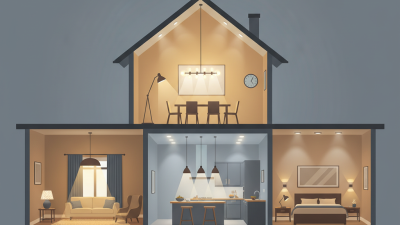
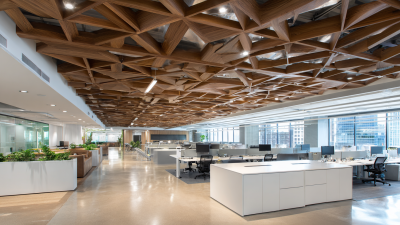
Ceiling fixtures provide broad, general lighting for bedrooms, offices, and hallways. Recessed fixtures sit inside the ceiling and create a clean appearance. They work well in kitchens, although poor placement can leave dark patches on work surfaces. Pendant fixtures hang lower and focus light over dining tables, counters, or reception desks. Wall-mounted fixtures add softer, vertical light near mirrors, stairways, and beds. They can make a narrow space feel less harsh. Track fixtures allow several adjustable heads, which suit galleries, retail areas, and flexible workspaces.
Under-cabinet fixtures place light directly on kitchen counters or laboratory benches. This reduces shadows from overhead lighting. Outdoor fixtures need weather-resistant construction and suitable electrical protection. Experienced installers check moisture exposure, mounting strength, wiring, and local safety requirements before fitting them. I once saw a beautiful pendant installed too high; the room looked bright, but the table felt visually disconnected. That mistake was small. It still changed the space. Lighting plans should consider glare, color temperature, ceiling height, and user movement, not appearance alone. Sometimes, less light works better.
What Are Lighting Fixtures and How Do They Work?
A lighting fixture is more than a shade and bulb. It houses the lamp, distributes light, and connects safely to an electrical circuit. Power travels through a live conductor and returns through neutral. Grounding helps reduce shock risk during a fault. The socket, terminals, and enclosure must match the circuit voltage and load. Loose connections can cause heat, flickering, or failure. Small mistakes matter.
Tips: Switch off the breaker first. Verify that power is absent with a proper tester. Never trust wire color alone, especially in older buildings. Follow local electrical requirements and ask a qualified electrician when wiring is unclear. Check dimmer compatibility before connecting it. A control may be a wall switch, dimmer, timer, occupancy sensor, or low-voltage controller. Each one changes how current reaches the fixture. Some controls need a neutral connection, while others do not.
Installation methods vary by structure and fixture weight. A ceiling box must be firmly secured before mounting a hanging light. Recessed fixtures require measured openings, clearances, and suitable insulation spacing. Surface-mounted units need level screws and protected cable entries. Track systems demand accurate alignment and secure grounding. In practice, installation diagrams are not always obvious. I still recheck every terminal and mounting point. A fixture can look perfect and remain electrically unsafe. After installation, test the switch, dimming range, heat, and stability.
| Fixture Type | How It Produces Light | Typical Electrical Connection | Common Controls | Typical Installation Method | Common Supply | Typical Applications | Important Considerations |
|---|---|---|---|---|---|---|---|
| Pendant Fixture | A lamp or LED module directs light downward or outward from a fixture suspended by a cord, chain, stem, or rigid support. | Line, neutral, and protective grounding conductor where required; connections are commonly made inside a ceiling outlet box or canopy. | Wall switch, dimmer compatible with the light source, occupancy sensor, or smart control system. | Mounted to a rated ceiling box or structural support using a canopy, stem, chain, or suspension cable. | Usually low-voltage or standard building supply through an integrated driver or lamp socket. | Dining areas, kitchens, reception spaces, counters, and decorative task lighting. | The support must carry the fixture weight. Maintain required clearances from combustible materials and wet locations. |
| Recessed Downlight | An LED module or lamp emits light through a trim installed nearly flush with the ceiling. | Wiring enters a junction box or housing above the ceiling; line and neutral connect to the driver, with grounding used when the fixture requires it. | Switches, phase-cut dimmers, low-voltage control systems, occupancy sensors, or daylight controls. | Installed in a ceiling cutout using an IC-rated or non-IC-rated housing as appropriate, or with remodel spring clips. | Commonly supplied by building voltage and converted by an integral or remote LED driver. | General illumination, corridors, kitchens, offices, retail areas, and accent lighting. | Select the correct insulation-contact rating, ceiling depth, trim angle, beam spread, and dimmer compatibility. |
| Surface-Mounted Fixture | A diffuser, reflector, or LED panel distributes light from a housing attached directly to the ceiling or wall surface. | Conductors are connected inside a fixture box, junction box, or supplied wiring compartment. | Wall switch, dimmer, occupancy sensor, daylight sensor, or building automation control. | Fastened to a rated outlet box or directly to a suitable structural surface with approved hardware. | Typically standard building voltage with an internal LED driver or ballast where applicable. | Low ceilings, utility rooms, offices, hallways, garages, and areas where recessed installation is unsuitable. | Check mounting strength, heat dissipation, enclosure rating, and access for future maintenance. |
| Track Light | Adjustable heads use lamps or LED modules to aim light along a conductive track. | The track receives line and neutral conductors, plus grounding where required; adapters supply power to individual heads. | Wall switch, compatible dimmer, or separate circuit control for multi-circuit track systems. | Track sections are secured to a ceiling or wall and connected to a feed connector or junction box. | Often line voltage; some systems use a remote transformer or driver for low-voltage heads. | Galleries, retail displays, kitchens, studios, and flexible accent lighting. | Track, connectors, heads, lamps, and dimmers must be electrically compatible and rated for the intended load. |
| Linear LED Fixture | LED arrays convert electrical energy into light; a diffuser or lens spreads the output along the fixture length. | Line and neutral connect to an internal driver or power supply; grounding is used when required by the construction. | On/off switching, compatible dimming, occupancy sensing, daylight harvesting, or digital control. | Surface-mounted, suspended, recessed, or installed in continuous rows with approved joiners. | Building voltage converted to the LED operating current by an integrated or remote driver. | Offices, classrooms, workshops, warehouses, corridors, and continuous architectural lighting. | Driver output, polarity, maximum row length, thermal conditions, and control protocol must match the installation. |
| Wall Sconce | A shade, diffuser, or reflector directs light upward, downward, outward, or in multiple directions from a wall-mounted body. | Conductors connect inside a wall outlet box or fixture backplate; grounding is required for applicable metal parts. | Wall switch, local switch, dimmer, occupancy sensor, or timer. | Attached to a rated wall box or structural support using a mounting bracket and fasteners. | Lamp socket or integrated LED driver connected to the building supply. | Bedrooms, corridors, bathrooms, stairways, hospitality areas, and decorative wall lighting. | Use fixtures specifically rated for damp or wet locations when installed near water or outdoors. |
| Under-Cabinet Fixture | A compact LED module or linear light provides close-range illumination on a work surface. | May connect to low-voltage wiring from a remote driver or directly to building voltage through an enclosed driver. | Inline switch, touch switch, motion sensor, dimmer, or cabinet door sensor. | Screwed or clipped beneath cabinets; wiring is routed through protected channels or concealed compartments. | Commonly extra-low voltage after conversion by a driver, although line-voltage units also exist. | Kitchen counters, workbenches, display shelving, closets, and task-lighting applications. | Protect wiring from abrasion, keep drivers ventilated, and avoid exposed connections in damp areas. |
| Outdoor or Wet-Location Fixture | A sealed lamp compartment or LED assembly produces light while limiting water and dust entry. | Connections are enclosed in a suitable junction box or wiring compartment with weather-resistant fittings and grounding as required. | Switch, timer, photocell, motion sensor, or low-voltage landscape-lighting controller. | Wall-mounted, post-mounted, surface-mounted, or installed in the ground using listed supports and enclosures. | Line voltage or low voltage, depending on the fixture and power system. | Entrances, pathways, façades, gardens, parking areas, patios, and security lighting. | Use the required location rating, weatherproof box, cable entry, sealing method, and ground-fault protection where applicable. |
| Emergency Lighting Fixture | Normally operates from the regular supply and switches to a battery or emergency power source when normal power fails. | Connected to an unswitched supply for charging and monitoring, with separate emergency circuitry or an integral backup system. | Automatic power-failure transfer, test switch, monitoring system, or central emergency control. | Wall-mounted, ceiling-mounted, or recessed in locations required by the building’s life-safety design. | Building supply with rechargeable battery backup or an approved emergency power source. | Exit routes, stairways, corridors, public buildings, workplaces, and areas requiring safe egress. | Testing, battery replacement, visibility, duration, spacing, and code compliance are essential to reliable operation. |
Lighting fixtures hold lamps, direct light, and connect illumination to a building’s electrical system. Their efficiency depends on the light source, fixture design, controls, and daily use. LEDs usually consume less electricity than older lamp types while producing comparable brightness. Check lumens, not watts, when comparing output. A 10-watt lamp may look brighter than a 60-watt lamp if its design is more effective.
Energy savings can disappear when fixtures remain on in empty rooms. Timers, occupancy sensors, and dimmers help, but they must match the fixture and electrical load. Poorly matched dimmers can cause flickering or shorten lamp life. I have seen dust collect around ceiling fixtures, trapping heat and reducing performance. Small faults matter. Cleaning the shade and ventilation openings with power disconnected can improve light output and cooling.
Safety deserves careful attention. Turn off the circuit breaker before touching a fixture, then verify that no voltage remains. Never ignore a warm switch, buzzing sound, cracked socket, or darkened wire insulation. Moisture-rated fixtures are necessary in bathrooms, outdoor areas, and other damp locations. Connections should remain enclosed, grounded, and protected from strain. A qualified electrician should handle new wiring, repeated breaker trips, or uncertain grounding. Maintenance schedules also need adjustment; dusty workshops require more frequent inspection than clean bedrooms. My earlier assumption that “working” meant “safe” was incomplete, because hidden heat and loose connections may develop without visible failure.