Why Are Solar Lights the Best Choice for Outdoor Lighting Solutions
As outdoor spaces increasingly become extensions of our homes, the demand for efficient and sustainable lighting solutions has surged. Among the various options available, solar lights stand out as the preferred choice for many homeowners and landscape architects alike. According to a recent report by the International Renewable Energy Agency (IRENA), the use of solar lighting in outdoor settings can reduce energy costs by up to 80%, while also minimizing carbon footprints. This significant reduction highlights the growing necessity for environmentally conscious lighting solutions in our pursuit of sustainable living.
Experts in the solar energy sector emphasize the benefits of adopting solar lights. Dr. Emily Carter, a renowned authority on renewable energy technologies, states, "Solar lights not only provide an eco-friendly alternative to traditional outdoor lighting, but they also offer unparalleled versatility and ease of installation." The adaptability of solar lights to various outdoor environments—from gardens to pathways—ensures that they meet diverse lighting needs while contributing to energy conservation.
By integrating solar lights into outdoor designs, property owners can achieve a harmonious balance between aesthetics and sustainability. As the trend towards eco-friendly solutions gains momentum, solar lights emerge as a top choice, not just for their practicality, but for their role in fostering a greener future.

Benefits of Solar Lights in Outdoor Environments
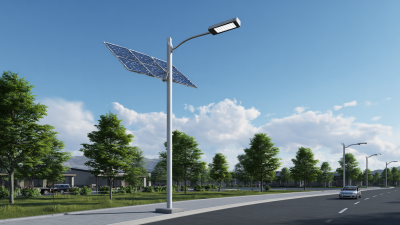
Solar lights have emerged as a popular choice for outdoor lighting solutions, primarily due to their numerous benefits in various environments. One of the most significant advantages is their energy efficiency. Harnessing the power of the sun, solar lights eliminate the need for electricity, making them an eco-friendly option that reduces carbon footprints and transforms outdoor spaces without contributing to energy costs. This efficiency is especially valuable in remote areas where access to power sources may be limited.
In addition to their sustainable energy use, solar lights offer convenience and versatility. They are relatively easy to install, requiring no complicated wiring or specialized equipment. This feature empowers homeowners and businesses to place lighting fixtures in strategic locations without the cumbersome setup typically associated with traditional lighting systems. Furthermore, many solar lights come equipped with advanced motion sensors and automatic dusk-to-dawn features, enhancing security while ensuring that outdoor spaces remain well-lit only when needed. Overall, the practicality and sustainable nature of solar lights make them a superior choice for outdoor environments, catering to both aesthetic and functional needs.
Cost-Effectiveness of Solar Lighting Solutions
One of the primary advantages of solar lighting solutions is their cost-effectiveness. Unlike traditional lighting systems that require continuous electricity, solar lights harness energy from the sun, leading to significant savings on electricity bills. Once installed, these systems rely solely on solar power, meaning that operational costs are virtually eliminated. Homeowners and businesses alike can benefit from the reduced demand on their energy sources, making solar lights an economically sound choice for long-term outdoor illumination.
In addition to lower operational costs, solar lights often come with minimal maintenance requirements. With no wiring and very few moving parts, solar lights are less likely to experience failures that would necessitate costly repairs. The durability and longevity of these systems further contribute to their cost-effectiveness. Many solar lights are designed to withstand various weather conditions, ensuring they remain a reliable lighting source year after year. This combination of low maintenance and durability makes solar lighting an attractive solution for those looking to invest in outdoor lighting without incurring hefty future expenses.
Environmental Impact and Sustainability of Solar Lights
The environmental impact of solar lights makes them an exceptional choice for outdoor lighting solutions. By harnessing energy from the sun, solar lights significantly reduce reliance on conventional fossil fuels, which are major contributors to greenhouse gas emissions. This transition to renewable energy sources not only mitigates climate change but also decreases air pollution, promoting a cleaner environment. Unlike traditional lighting options, solar lights do not emit harmful toxins when operational, making them a healthier choice for both humans and wildlife.
Sustainability is a cornerstone of solar lighting technology. Solar lights require minimal maintenance and have long lifespans, resulting in less waste over time. Additionally, as solar technology continues to advance, the efficiency of solar panels improves, meaning that they can generate more energy with less environmental impact. The use of recyclable materials in the construction of many solar lights further enhances their sustainability, ensuring that end-of-life products can be responsibly disposed of or repurposed.
This combination of renewable energy use, low waste generation, and the potential for recycling underscores the pivotal role solar lights play in creating a more sustainable future for outdoor spaces.
Installation and Maintenance Advantages of Solar Lights
Solar lights have become a popular choice for outdoor lighting solutions due to their ease of installation and low maintenance requirements. One of the major advantages of solar lights is that they do not require extensive wiring or access to electricity, making installation a breeze. Simply select a suitable location that receives ample sunlight, and the lights are ready to go, eliminating the need for professional help or complicated setups. This hassle-free installation process allows homeowners to enhance their outdoor spaces with minimal effort.
Maintenance is another area where solar lights shine. Unlike traditional electric lights that may require frequent bulb replacements or regular wiring checks, solar lights typically only need occasional cleaning of the solar panels to ensure optimal performance. Moreover, many solar lights are designed to withstand various weather conditions, reducing the chance of breakdowns.
**Tips for Installation and Maintenance:** When installing solar lights, make sure to place them in areas that receive direct sunlight for at least six hours a day. This will ensure that the battery fully charges and provides adequate illumination after dusk. Additionally, periodically check for dirt or debris on the solar panels to maintain their efficiency. Consider positioning them at least two feet above ground level to avoid obstructions and enhance visibility.
Comparing Solar Lights to Traditional Outdoor Lighting Options
When evaluating outdoor lighting options, solar lights stand out significantly against traditional lighting systems. Research indicates that over 70% of homeowners are now considering solar energy solutions due to their eco-friendliness and sustainability. According to a report by the Solar Energy Industries Association (SEIA), the adoption of solar technologies in residential areas has seen an increase of approximately 20% year-over-year. This surge is attributed to advancing solar panel technology and the declining costs associated with solar installations, making them a viable option for outdoor lighting.
In contrast, traditional outdoor lighting often relies on electricity generated from fossil fuels, contributing to carbon emissions and higher energy bills. A study published by the U.S. Department of Energy (DOE) found that outdoor lighting accounts for about 30% of energy use in residential settings. With solar lights, the average homeowner can save up to 50-80% on electricity costs related to outdoor lighting. Additionally, solar lights require minimal maintenance compared to their traditional counterparts, which often involve wiring, bulbs, and ongoing electrical expenses. This combination of savings and reduced environmental impact positions solar lights as a superior choice for modern outdoor lighting solutions.