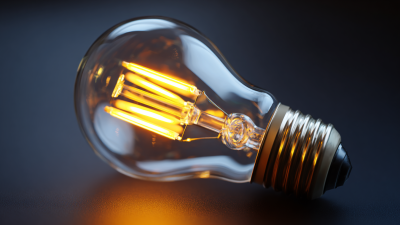
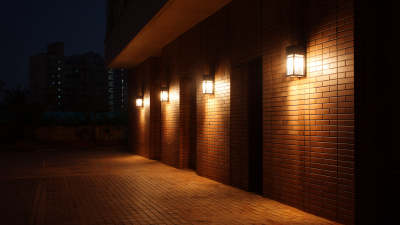
Ultimate Tips for Choosing LED Fixtures for Your Home?
Choosing the right LED fixtures for your home is more than just a trend—it's a crucial decision for energy efficiency and ambiance. According to the U.S. Department of Energy, LED lighting can reduce energy consumption by up to 75% compared to traditional incandescent bulbs. This shift is significant, considering that lighting accounts for about 15% of the average home’s electricity use.
However, the market can be overwhelming. With numerous options, it’s easy to feel lost. Factors like color temperature, brightness, and fixture design are essential. A study by the Lighting Research Center revealed that nearly 65% of people prefer warmer light for residential spaces, showing that personal preference plays a vital role.
Making a thoughtful choice often requires reflection. Consider what your home needs. Aesthetic value and functionality should go hand in hand. Even minor details, like the style and fit of the fixtures, matter. Striking the right balance will enhance both comfort and efficiency, ensuring that your investment in LED fixtures pays off in the long run.
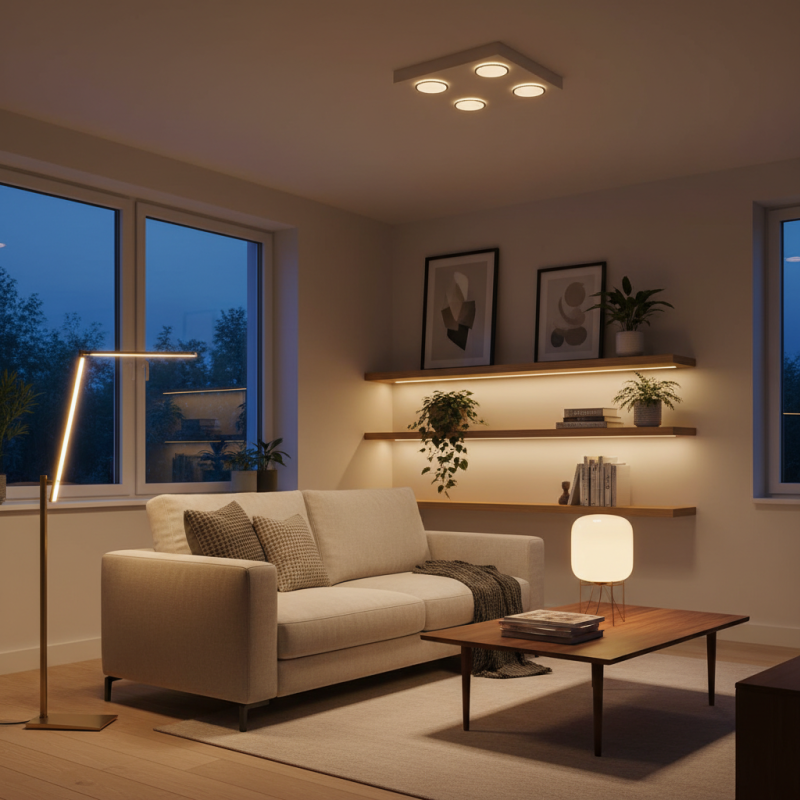
Understanding LED Technology: Basics and Benefits
LED technology has transformed the way we illuminate our homes. It offers numerous benefits over traditional lighting. For starters, LED fixtures are energy-efficient. They consume less electricity, which can lead to substantial savings on your energy bills. Many people overlook this aspect, only focusing on the initial cost, but over time, the savings are quite noticeable.
Understanding how LED lights work is essential. They use semiconductors to convert electricity into light. This process generates less heat, making them safer and more sustainable. However, choosing the right fixtures can be tricky. Not all LED lights provide the same brightness or color temperature. Some may emit a harsh, cold light while others offer a warm, inviting glow. It’s a common mistake to pick fixtures based solely on appearance.
When selecting LED fixtures, consider their application and placement. An LED bulb that works well in a kitchen may not suit a cozy living room. Light needs may vary from one space to another. It's important to experiment with different styles and temperatures to find what fits best. Some fixtures may appear less vibrant in different settings, prompting a rethink on your choices. Aim for harmony in your lighting design to avoid a jarring atmosphere.
Ultimate Tips for Choosing LED Fixtures for Your Home
Assessing Your Lighting Needs: Factors to Consider
When choosing LED fixtures for your home, assess your lighting needs carefully. Start by analyzing the purpose of each room. A kitchen needs bright lighting for cooking, while a bedroom benefits from softer tones for relaxation.
Consider how each area is used daily. For instance, reading nooks require focused light, while hallways can utilize ambient lighting.
Next, think about the color temperature. Warmer lights create a cozy atmosphere, while cooler lights are energizing. Test different bulbs to see which feels right in your space. It’s essential to balance aesthetics with functionality. Fixtures should not only fit your decor but must also serve their purpose.
Moreover, reflect on the installation process. Some fixtures are easier to install than others. Think about the layout of your home. How will the light distribution affect your daily activities? If you’re unsure, it might be worth consulting with a professional. Making the wrong choice can lead to frustrating results later on. Each decision shapes the overall experience of your home, so take your time.
Types of LED Fixtures: Choosing the Right Style for Your Space
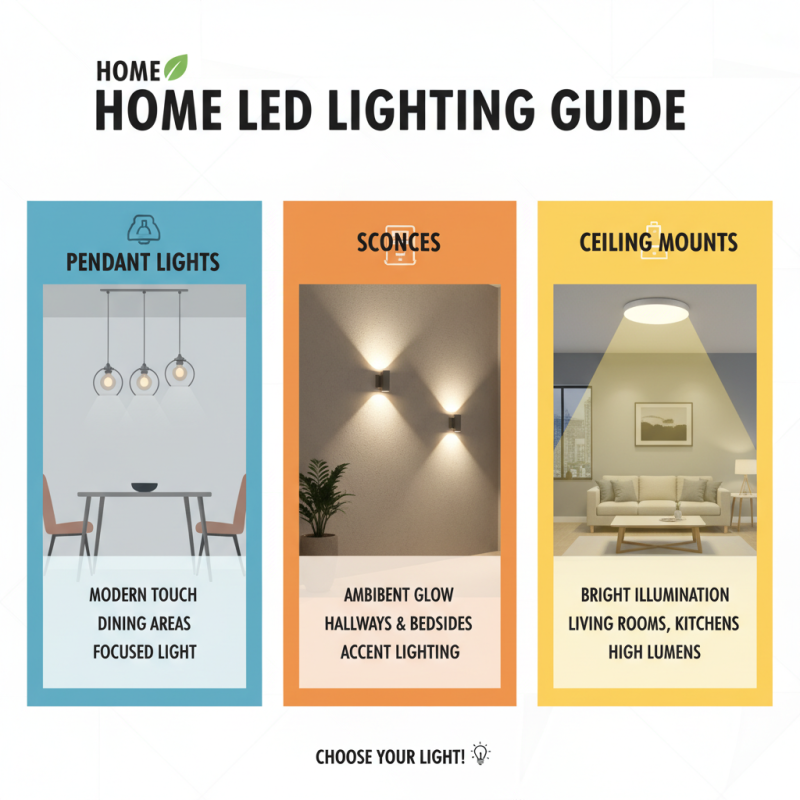
When selecting LED fixtures for your home, consider the variety available. Pendant lights can add a modern touch. They work well in dining areas. Sconces offer ambient lighting and can enhance a hallway. If you need brightness, ceiling mounts with higher lumens are effective.
The style of your LED fixture should match your existing decor. Industrial designs suit loft-inspired spaces. Meanwhile, minimalist fixtures pair well with sleek, modern interiors. Don’t overlook color temperature; warm tones create a cozy atmosphere while cooler tones feel energizing.
Remember, installation matters too. A poorly placed fixture can cast unwanted shadows. Try experimenting with different styles before committing. Test out the light's brightness in various areas. Each room has its unique needs. Reflect on how the light makes you feel before making decisions.
Energy Efficiency and Cost Savings: How to Evaluate Options
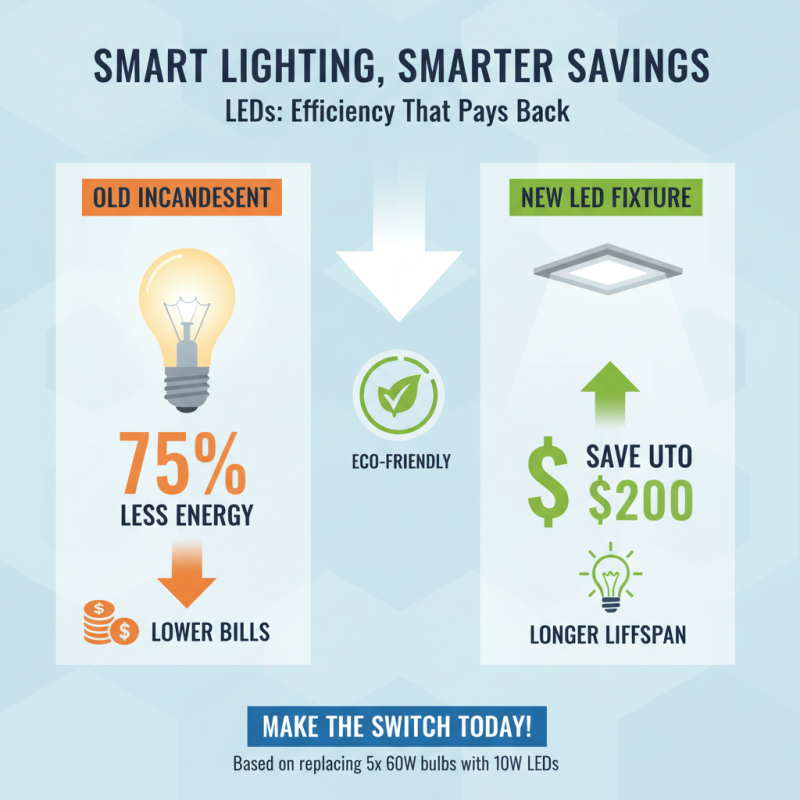
When choosing LED fixtures for your home, energy efficiency matters. Reports show that LED lighting uses up to 75% less energy than traditional incandescent bulbs. This means significant reductions in your monthly utility bills. For example, if a household replaces five 60-watt bulbs with 10-watt LED fixtures, they could save around $200 over the lifespan of the LEDs. That’s a compelling reason to make the switch.
Evaluating the options can be tricky. Not every LED is created equal. Look for products with a high lumens-per-watt ratio. Many LEDs claim energy efficiency, but actual performance can vary. Research shows that some "eco-friendly" models have lower outputs than advertised. It's worth examining labels closely. Don’t be afraid to compare multiple fixtures before you decide.
Moreover, consider the long-term costs. Although LEDs might have higher upfront costs, their durability can offset that. Quality LEDs last about 25,000 hours or more compared to 1,000 hours for incandescents. However, the market is flooded with choices, making it difficult to find the best value. Be prepared to explore various options and read user reviews. It's essential to understand the nuances of each product before committing.
Installation and Maintenance Tips for Long-Lasting Performance
When installing LED fixtures, placement matters.
Choose locations that maximize light distribution. Avoid dark corners and shadows. This ensures adequate illumination throughout the space. Use dimmers for versatility. They can enhance ambiance and reduce energy consumption during evenings.
Regular maintenance prolongs your fixtures' lifespan. Dust can accumulate quickly, affecting brightness. Wipe down the surfaces with a soft cloth monthly. Ensure the connections are secure, too. Sometimes, loose wiring leads to flickering lights. Investigate any unusual sounds; they could indicate underlying issues.
Be mindful of the color temperature. Warmer tones create a cozy atmosphere, while cooler tones energize a space. Test different options before making a final decision. Sometimes, what seems perfect in the store doesn’t translate well at home. Don't rush the process.