Top 10 Led Lighting Solutions for Global Buyers in 2026
As the world moves toward sustainable solutions, the demand for innovative LED lighting solutions grows. In 2026, buyers will seek products that combine energy efficiency with aesthetic appeal. LED lighting has proven to be a game-changer in various sectors, from residential to commercial spaces.
Today’s global buyers prioritize quality and sustainability in their purchasing decisions. They expect LED lighting solutions that offer longevity and reduced energy consumption. However, navigating this diverse market can be challenging. With numerous options available, understanding the key features and technologies is essential for making informed choices.
In this landscape, the effectiveness and reliability of LED products can vary widely. Buyers should look for trusted manufacturers that demonstrate expertise in developing cutting-edge lighting solutions. Reflecting on past experiences can also help optimize future purchases. A critical approach to selecting LED lighting solutions will empower buyers to invest wisely in 2026 and beyond.

Top 10 LED Lighting Solutions for Global Buyers in 2026
As we approach 2026, LED lighting solutions are becoming increasingly vital for global buyers. Sustainable lighting options continue to grow in importance. Energy efficiency, durability, and innovative designs drive the market. Buyers look for solutions that reduce carbon footprints while illuminating spaces effectively.
Key features to consider include color temperature and dimming capabilities. A solution that offers a range of brightness levels can enhance any environment. Consumers now prefer products that combine style with functionality. The aesthetic appeal of LED fixtures attracts more buyers. Lighting trends show a shift towards minimalist designs and warm hues, creating inviting atmospheres.
Market research indicates that buyers prioritize reliability and longevity in LED products. However, many options still lack clear labeling or comprehensive performance metrics. This gap makes comparison difficult for potential customers. It's essential to acknowledge that not every emerging product meets these expectations. Continuous improvement and feedback from users are crucial for industry growth. As we move forward, adapting to these challenges will shape the future of LED lighting solutions.
Top 10 LED Lighting Solutions for Global Buyers in 2026
| Rank | Type of LED Lighting | Power Consumption (W) | Luminous Flux (lm) | Lifespan (hours) | Color Temperature (K) | Applications |
|---|---|---|---|---|---|---|
| 1 | LED Bulbs | 8-15 | 800-1600 | 25000 | 3000-6500 | Home, Offices |
| 2 | LED Panel Lights | 30-50 | 3000-5000 | 50000 | 4000 | Commercial Spaces |
| 3 | LED Street Lights | 50-150 | 5000-18000 | 50000 | 3000-6000 | Public Facilities |
| 4 | LED Flood Lights | 100-400 | 10000-40000 | 50000 | 5000-6500 | Outdoor Events |
| 5 | LED Downlights | 10-30 | 600-3000 | 50000 | 3000-6000 | Residential, Retail |
| 6 | LED Strip Lights | 12-24 | 300-1200 | 30000 | 2700-6500 | Decorative Lighting |
| 7 | LED High Bay Lights | 100-400 | 10000-50000 | 50000 | 4000 | Warehouses, Gymnasiums |
| 8 | LED Task Lights | 5-15 | 300-1200 | 30000 | 3000-6500 | Office, Study |
| 9 | LED Grow Lights | 20-400 | 1000-50000 | 50000 | 4000-6000 | Horticulture |
| 10 | LED Emergency Lights | 5-15 | 200-800 | 30000 | 3000-6000 | Emergency, Safety |
Conclusion
The article "Top 10 LED Lighting Solutions for Global Buyers in 2026" explores the latest advancements and trends in LED lighting technology, highlighting factors driving demand in various global markets. The analysis delves into the innovative contributions of leading manufacturers, underscoring the importance of sustainability and energy efficiency in modern LED lighting solutions.
As the demand for eco-friendly and cost-effective lighting continues to grow, this article also examines the future prospects for LED solutions, including emerging technologies that promise to enhance performance and functionality. Overall, it serves as a comprehensive guide for global buyers seeking to navigate the evolving landscape of LED lighting solutions in the coming years.
Related Posts
-

Overcoming Common Issues in LED Lighting Solutions for Global Buyers
-

How to Harness the Power of LED Technology for Energy Efficiency
-
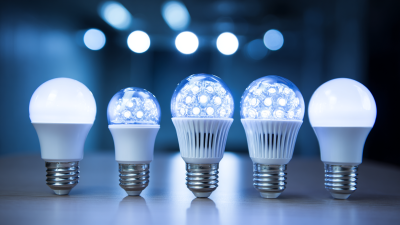
How to Leverage LED Technology for Energy Efficiency and Cost Savings in Your Business
-
Navigating the Future of LED Spotlights at the 2025 China Import and Export Fair with Industry Insights
-

Exploring the Future of LED Light Bulbs: Insights from China’s 138th Canton Fair in 2025
-
Top 10 Benefits of LED Explosion Proof Lighting for Industrial Safety