Top 10 LED Fixtures for Bright and Efficient Lighting Solutions?
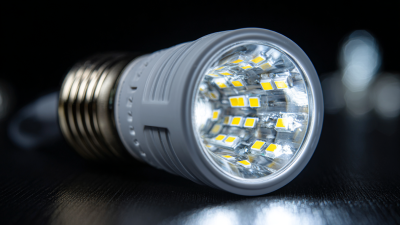
In the search for bright and efficient lighting solutions, led fixtures stand out. They offer remarkable illumination while consuming less energy. In recent years, advancements in technology have made these fixtures more accessible and affordable.
Choosing the right led fixtures can be challenging. With so many options available, it’s easy to feel overwhelmed. Some models may provide great light, but not all deliver efficiency. Users often find they need fixtures that balance brightness and energy savings. It’s crucial to focus on quality over quantity.
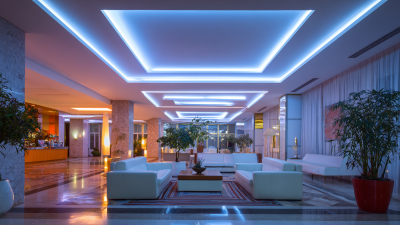
The market offers various led fixtures designed for different needs. From residential spaces to commercial settings, there's something for everyone. However, it’s essential to reflect on your specific requirements before making a purchase. An informed decision can lead to a satisfying experience and a well-lit environment.
Overview of LED Lighting Technology and Its Benefits
LED lighting technology has transformed how we think about illumination. Unlike traditional bulbs, LEDs are efficient and long-lasting. According to recent industry reports, switching to LED fixtures can reduce energy consumption by up to 80%. This efficiency not only cuts costs but also minimizes environmental impact.
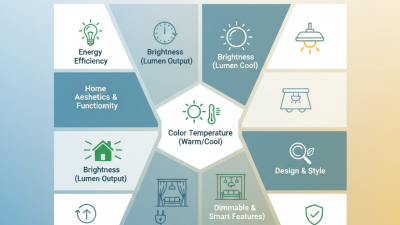
Adopting LED fixtures comes with additional benefits. They offer superior brightness and quality of light, enhancing visibility and aesthetics. Studies show that good lighting can improve mood and productivity in both workplaces and homes. However, the challenge lies in choosing the right fixtures. Not all LED products perform equally. Understanding lumen outputs, color temperature, and energy ratings is essential.
**Tips:** When selecting LED fixtures, consider where you need the most light. Warm white LEDs create a cozy atmosphere, while cooler tones are ideal for task lighting. Always check the wattage equivalency; sometimes, a lower wattage does not mean lower brightness. Understand that some cheap options might not last or provide the light quality you expect. Investing in trusted products can save time and money in the long run.
Top 10 LED Fixtures for Bright and Efficient Lighting Solutions
| Fixture Type |
Lumens Output |
Wattage |
Efficiency (lm/W) |
Lifespan (hours) |
Color Temperature (K) |
| Recessed Downlight |
900 |
12 |
75 |
50000 |
3000 |
| LED Track Light |
1200 |
15 |
80 |
60000 |
4000 |
| LED Ceiling Fixture |
1800 |
22 |
82 |
50000 |
3500 |
| LED Wall Pack |
2000 |
25 |
80 |
50000 |
5000 |
| LED Outdoor Floodlight |
2500 |
30 |
83 |
60000 |
4000 |
| LED High Bay |
3000 |
40 |
75 |
50000 |
5000 |
| LED Street Light |
4000 |
50 |
80 |
100000 |
3000 |
| LED Panel Light |
5000 |
60 |
83 |
50000 |
3500 |
| LED Grow Light |
6000 |
80 |
75 |
50000 |
5000 |
| LED Strip Light |
300 |
5 |
60 |
40000 |
2700 |
Factors to Consider When Choosing LED Fixtures
When selecting LED fixtures, several factors come into play. Brightness, measured in lumens, is critical. Too dim, and the room feels gloomy. Too bright can cause discomfort. Consider the fixture's color temperature too. A warm tone creates a cozy atmosphere. Cooler tones work well in workspaces.
Energy efficiency is another important aspect. Look for fixtures with high luminaire efficacy. This means they produce more light per watt consumed. Evaluate the lifespan as well. LEDs typically last longer than traditional bulbs, reducing replacement frequency. Think about compatibility with existing systems. Ensuring a proper fit can prevent headaches during installation.
Aesthetic appeal shouldn't be overlooked. The design should complement the space. Different styles range from sleek and modern to more traditional looks. Check the beam angle as well. It affects how light spreads. Wider angles offer more coverage, while narrow ones focus light better. Balancing these elements can be challenging but rewarding. Choose wisely to enhance both function and beauty.
Top 10 LED Fixtures: Features and Specifications
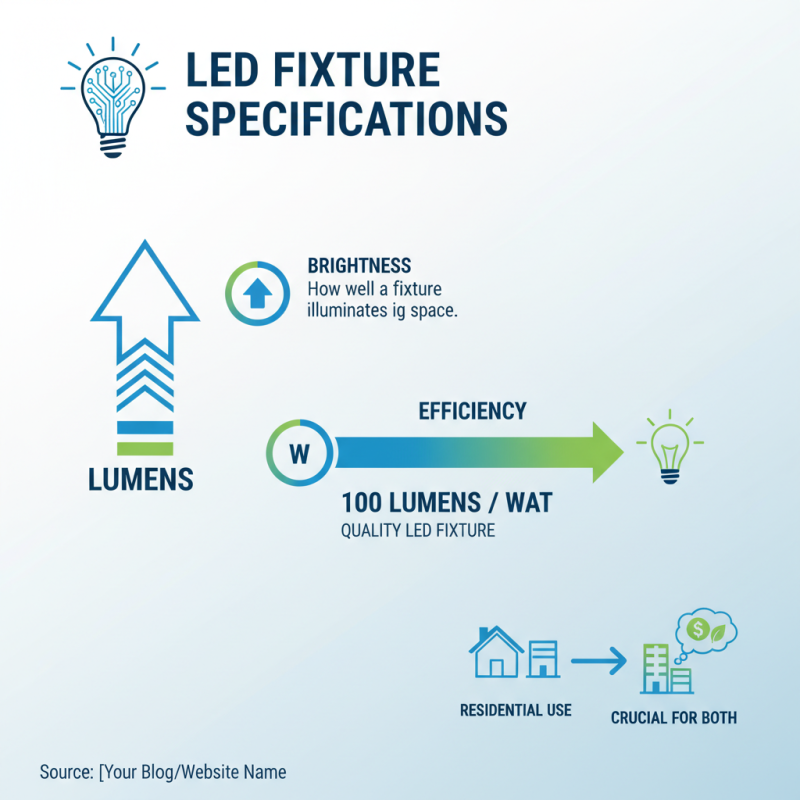
When choosing LED fixtures, specifications matter. Brightness, measured in lumens, indicates how well a fixture illuminates a space. A quality LED fixture can produce around 100 lumens per watt. This efficiency is crucial for both residential and commercial use.
Color temperature also plays a role in your lighting choice. Measured in Kelvins (K), this affects ambiance. A cooler temperature (5000K) mimics daylight, creating alert environments. Warmer temperatures (2700K) make spaces feel cozy. The choice impacts mood significantly.
Energy savings are a major benefit. Reports suggest LED fixtures can save up to 75% on energy costs compared to incandescent bulbs. Yet, some users might overlook initial installation costs. Long-term savings outweigh upfront investments. Durability is another factor; quality fixtures can last 25,000 hours or more. However, some low-quality options fall short, needing replacement sooner than expected.
Comparative Analysis of Performance and Efficiency
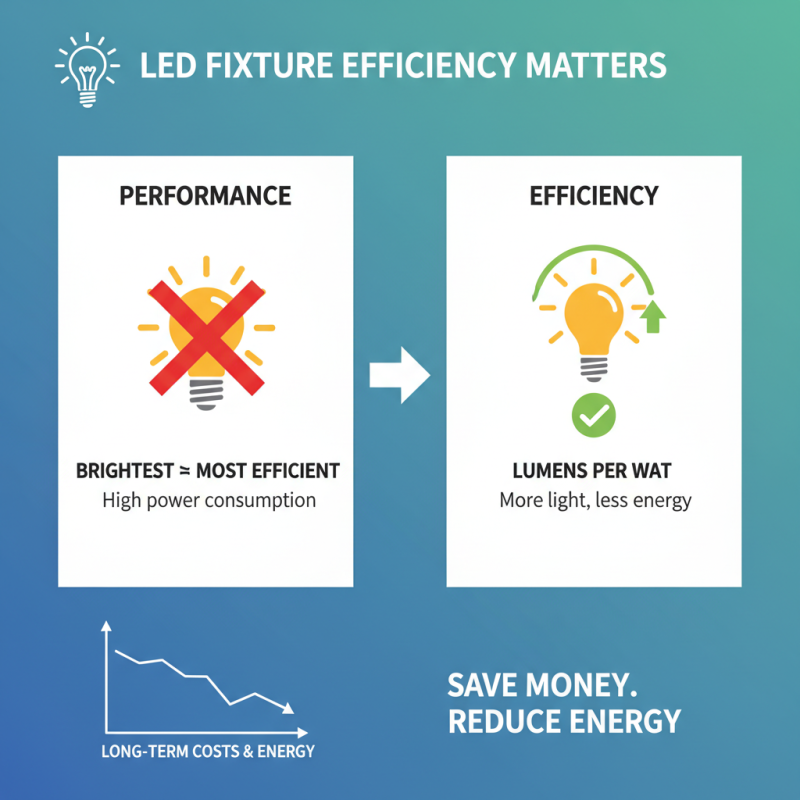
When selecting LED fixtures, performance and efficiency are crucial factors. Many users overlook how these elements impact long-term costs and energy consumption. The brightest lights may not always be the most efficient. It's essential to focus on lumens per watt, which reflects how much light you get per unit of energy consumed. Some fixtures shine brightly but drain more power.
Efficiency isn't just about energy usage; it's also about lifespan. A high-performing LED can last over 25,000 hours, reducing replacement frequency. However, some models may flicker or lose brightness over time. Users should consider warranties and reviews to understand long-term reliability better.
In the quest for bright lighting solutions, it's important to evaluate real-world applications. A fixture might excel in controlled tests but perform poorly in different environments. Ambient conditions, like humidity and temperature, can affect performance. Sometimes, the sleekest designs do not provide adequate illumination for daily activities. Balancing aesthetics with functionality can be a complex task.
Applications and Use Cases for LED Lighting Solutions
LED lighting solutions have varied applications across numerous sectors. In commercial spaces, they enhance productivity while reducing energy costs. A report from the U.S. Department of Energy indicates that LED lighting can use up to 75% less energy than traditional incandescent bulbs. This efficiency makes LEDs an appealing choice for offices and retail environments.
In residential settings, LED fixtures offer significant benefits. They provide bright illumination that can be tailored to create different atmospheres. A study found that homes equipped with LED technology saw a 50% reduction in electricity bills. However, the initial installation cost can be a barrier for some homeowners. Finding budget-friendly options is often a challenge.
Outdoor applications showcase LEDs' versatility. Streetlights and exterior lights benefit from their long lifespan and lower maintenance needs. Many municipalities are transitioning to LED systems to ensure better visibility and safety. Yet, the challenge remains in managing the light pollution these fixtures can create. Some areas experience disruption in Wildlife due to excessive brightness. Balancing efficiency with environmental impact is crucial.
Top 10 LED Fixtures for Bright and Efficient Lighting Solutions