Top 10 LED Landscape Lights for Your Garden and Outdoor Space?
In recent years, LED landscape lights have transformed outdoor spaces. According to a report by the International Dark-Sky Association, properly designed outdoor lighting can reduce light pollution by up to 30%. This statistic underscores the importance of selecting the right lighting for both aesthetics and environmental responsibility. With homeowners increasingly focused on energy efficiency, experts like Emily Chen, an industry consultant, state, “Quality LED landscape lights can enhance beauty while significantly reducing energy costs.” Her insight reflects a growing trend towards sustainable choices.
When considering outdoor lighting, it's crucial to prioritize both design and function. Quality LED options not only elevate garden aesthetics but also serve practical purposes, like improving safety at night. Many consumers overlook the potential drawbacks, such as initial investment costs or the need for professional installation. Yet, the long-term savings in energy and maintenance often outweigh these challenges.
LED landscape lights can create vibrant atmospheres in outdoor spaces. However, choosing the right fixtures can be overwhelming. It's essential to balance style with functionality. With our top 10 LED landscape lights, you will find options that fit both your design vision and sustainability goals.
Understanding the Importance of LED Landscape Lighting in Outdoor Spaces
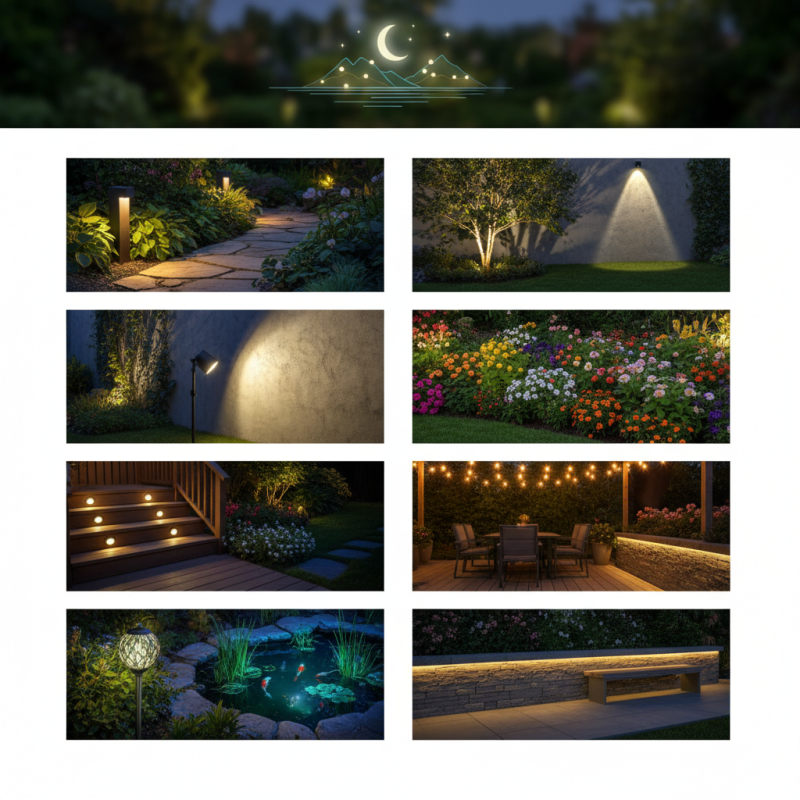
LED landscape lighting plays a crucial role in enhancing outdoor spaces. It creates ambiance and highlights garden features. These lights can transform a simple yard into a stunning nightscape. The soft glow from LEDs adds warmth. The right lighting design brings out the beauty of flowers and trees. It also improves safety by illuminating pathways and driveways.
Energy efficiency is another important aspect. LED lights consume less electricity compared to traditional bulbs. This lowers energy bills and reduces environmental impact. However, choosing the right placement is key. Poorly placed lights can create harsh shadows or bright spots. Planning the layout carefully can avoid these issues.
Considering brightness and color temperature is vital. Different plants may require specific light tones to look their best. Experimentation allows homeowners to find the perfect effect. Over-illuminating can wash out features instead of enhancing them. It’s important to strike a balance. Reflect on how each light enhances your garden. This thoughtful approach will result in a more inviting outdoor environment.
Key Features to Consider When Choosing LED Landscape Lights
Choosing the right LED landscape lights for your garden requires careful consideration of several key features. Brightness is paramount. Measured in lumens, brighter lights are more effective for larger spaces. Research indicates that an ideal range for garden lights is between 100 to 300 lumens per fixture, depending on the area size. This brightness ensures visibility while maintaining an inviting atmosphere.
Another essential feature is color temperature. Most LED lights fall between 2700K and 6500K. Warmer tones (around 2700K) create a cozy ambiance. Cooler tones (closer to 6500K) lend a modern feel. A study published in the “Journal of Outdoor Lighting” found that warmer lights enhance the beauty of garden landscapes. Yet, too cool a temperature can feel harsh, so selecting the right color is crucial.
Energy efficiency also matters. LEDs consume up to 80% less energy than traditional bulbs. Switching to LEDs can significantly reduce your electricity bills, making them a wise long-term investment. However, not all LED options are created equal. The lifespan, often marketed as over 25,000 hours, can vary. Quality control issues in some products may lead to early burnouts. Therefore, researching product reviews and seeking reputable sources for information is advisable.
Top 10 LED Landscape Lights for Your Garden and Outdoor Space
| Light Type |
Lumens Output |
Color Temperature |
Battery Life |
Water Resistance |
Installation Type |
| Spotlight |
500 |
3000K |
8 hours |
IP65 |
Stake Mounted |
| Pathway Light |
300 |
4000K |
12 hours |
IP68 |
Embedded |
| Flood Light |
1000 |
5000K |
6 hours |
IP67 |
Surface Mounted |
| Color Changing Light |
400 |
RGB |
10 hours |
IP65 |
Portable |
| Solar Lantern |
150 |
3000K |
8 hours |
IP65 |
Hanging |
| Garden Light |
200 |
4000K |
12 hours |
IP66 |
Staked |
| Underwater Light |
600 |
5000K |
4 hours |
IP68 |
Submersible |
| Deck Light |
250 |
3000K |
10 hours |
IP65 |
In-ground |
| Bollard Light |
350 |
4000K |
12 hours |
IP66 |
Surface Mounted |
| String Lights |
200 |
2700K |
8 hours |
IP65 |
Hanging |
Top 10 LED Landscape Lights: A Comprehensive Review
When it comes to enhancing your garden and outdoor space, LED landscape lights are a practical choice. These lights come with numerous benefits. They are energy-efficient, offering up to 80% more savings compared to traditional lighting. They also last longer, with lifespans exceeding 25,000 hours, minimizing maintenance costs. According to the Department of Energy, LED technology continues to evolve, making these lights brighter and more versatile than ever.
When selecting LED landscape lights, consider the brightness and color temperature. A brightness of 3000K-4000K is ideal for a warm ambiance. Ensure your lighting fixtures are weather-resistant to withstand the elements. Look for products with a good IP rating, which reflects their durability outdoors. You may find that some products promise high performance but fall short in real-world scenarios. Reviews often highlight dissatisfaction due to inadequate brightness or faulty sensors. Researching user feedback can provide necessary insights.
Tip: Arrange lights to highlight your garden’s features. Place them strategically to create depth and interest. A combination of uplighting and downlighting adds dimension. Remember that less is often more; avoid overpowering your space with too many fixtures. Quality often trumps quantity in creating a captivating outdoor atmosphere. Another important point is to regularly check the positioning and functionality of your lights. Over time, adjustments may be necessary as plants grow or outdoor layouts change.
Installation Tips for Maximizing LED Landscape Lights' Efficiency
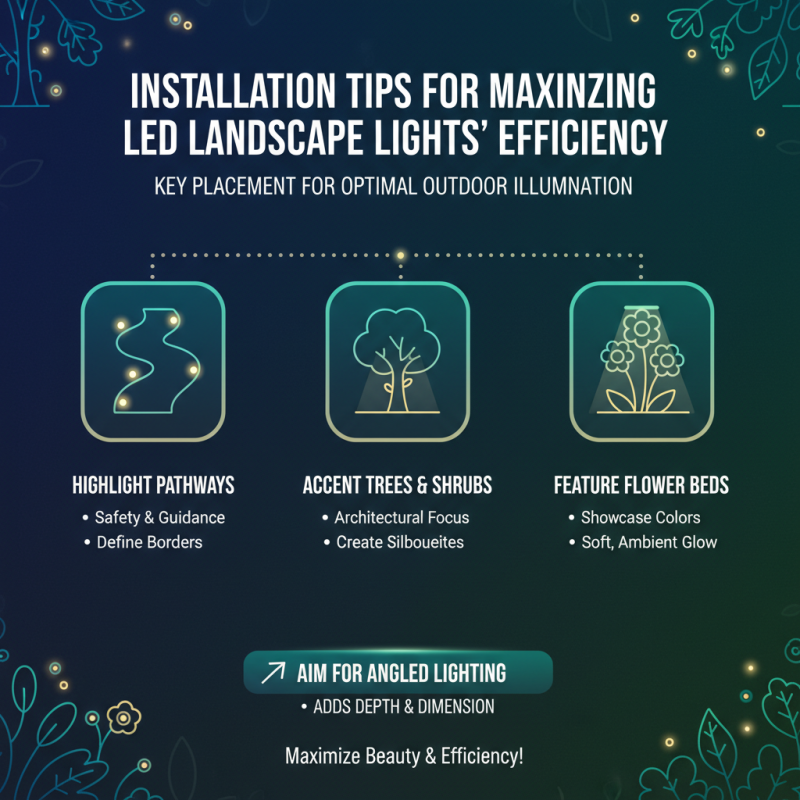
When installing LED landscape lights, placement is crucial. Choose locations that highlight your garden's features. Focus on pathways, trees, and flower beds. Aim light at angles that create depth. This technique adds dimension and interest to your outdoor space.
Consider the height of your fixtures. Lights should be low to the ground for garden beds. For trees, higher fixtures can cast dramatic shadows. Too much light can wash out details. Balance brightness to maintain a cozy atmosphere.
Remember, wiring matters. Use weatherproof connections to ensure longevity. Avoid tight bends in wires, as this can cause damage. Regularly check your lights for any issues. A dim light may need a bulb replacement or adjustment. Making these efforts can enhance your garden's beauty effortlessly.
Maintaining and Troubleshooting Your LED Landscape Lighting System
Maintaining your LED landscape lighting system is essential for its longevity and effectiveness. Regular inspection of fixtures is crucial. Look for loose connections, corrosion, or damage. These factors can significantly impact performance. Every few months, clean the lenses to remove dirt and debris. This task can improve brightness and visibility in your outdoor spaces.
Troubleshooting common issues is part of the maintenance process. If lights flicker or don’t turn on, check the power source first. Sometimes, a simple reset of the circuit breaker can resolve the problem. If you notice dim lights, this may indicate an electrical issue or aging bulbs. It's wise to replace bulbs as needed.
Pay attention to the wiring and connections. Over time, the elements can wear down wires. Exposed or frayed wires create safety hazards. This could lead to more extensive repairs if left unchecked. Maintaining a reliable lighting system requires diligence and patience. Embrace these challenges to ensure a vibrant garden or outdoor area.
Top 10 LED Landscape Lights for Your Garden and Outdoor Space