2025 Top LED Street Light Innovations for Smart Cities and Energy Savings
As urban areas evolve into smart cities, the demand for sustainable and energy-efficient solutions has never been more critical. Among the most significant innovations in this realm is the advancement of LED street lights. According to the International Energy Agency, lighting accounts for 15% of global electricity consumption, with street lighting alone consuming approximately 40% of electricity used in public lighting. The integration of LED street lights offers a transformative opportunity to reduce energy usage, improve urban safety, and minimize environmental impact.
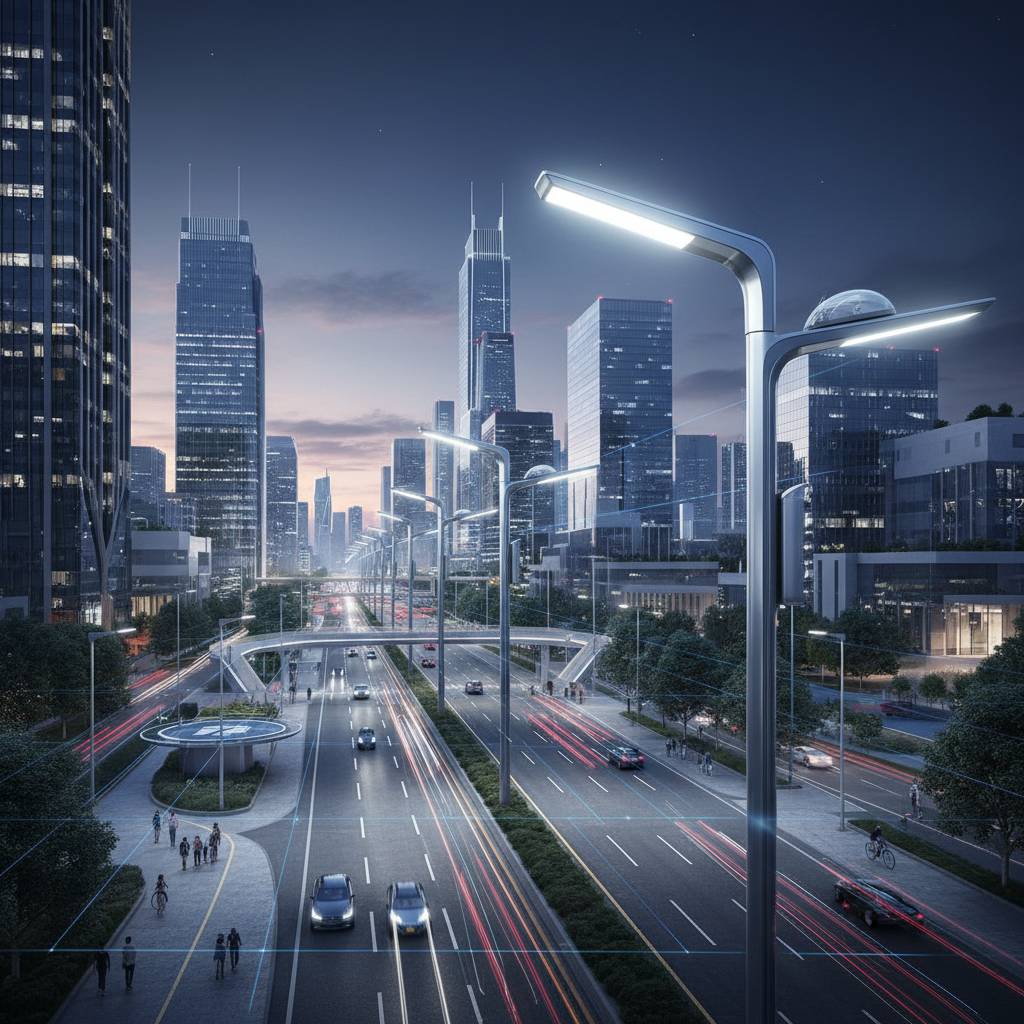
By 2025, the transition to LED street lights is expected to accelerate, as municipalities increasingly recognize the long-term benefits of adopting these technologies. Various studies, including one by the U.S. Department of Energy, highlight that LED street lights can reduce energy consumption by up to 50% compared to traditional incandescent or HID lighting. Furthermore, the smart capabilities attached to modern LED street lights provide additional advantages, such as enhanced control over brightness levels, automatic fault detection, and integration with smart city infrastructure. This article explores the top 10 innovations in LED street lights for 2025, shedding light on how these developments will contribute to energy savings and improved urban living conditions.
Emerging Technologies in LED Street Lights for Enhanced Smart City Integration
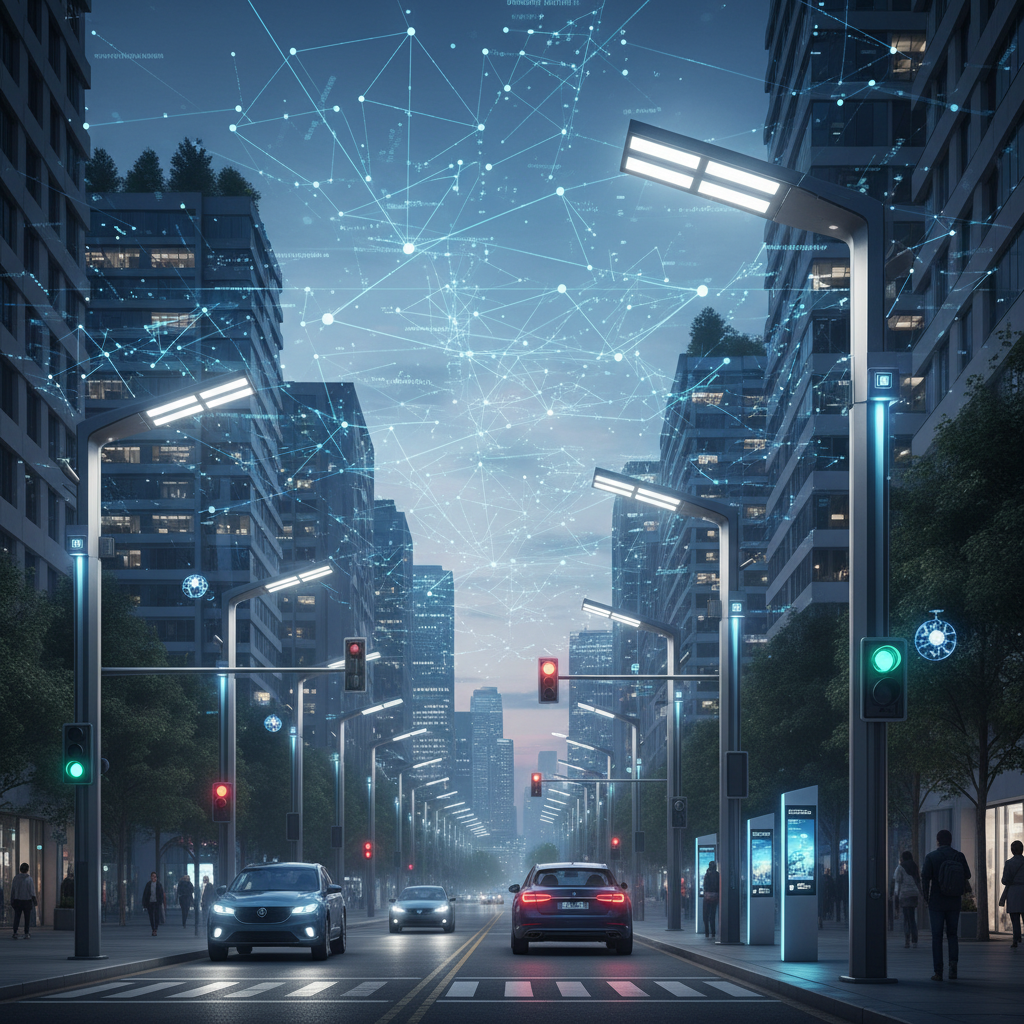
The evolution of LED street lights increasingly aligns with the progress of smart city infrastructures. Emerging technologies are innovating the way urban lighting integrates with city-wide systems for enhanced efficiency and functionality. These advancements enable street lights to not only provide illumination but also serve as critical components in a network that supports smart traffic management, environmental monitoring, and public safety initiatives. By leveraging connectivity and data analytics, municipalities can optimize energy consumption, reduce maintenance costs, and improve overall urban living conditions.
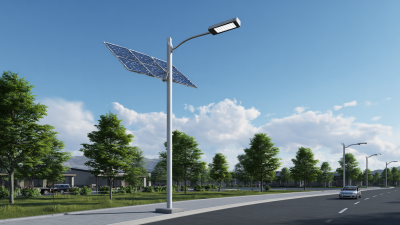
As cities aim to integrate sustainable solutions, the emergence of startups focusing on LED innovations is significant. With over 5,500 ventures in this field, many are developing cutting-edge technologies that address various aspects of urban challenges. From adaptive lighting systems that adjust based on real-time traffic patterns to solar-powered street lights that reduce dependency on the grid, these initiatives play a pivotal role in the broader context of smart city planning. The collaboration between governments and innovative companies could redefine urban landscapes, creating smarter, greener cities for the future.
Energy Efficiency Metrics: How LED Innovations Drive Down Urban Energy Costs
As urban areas continue to grow, so does the demand for energy-efficient solutions.
Recent innovations in LED street lighting are emerging as a powerful tool in driving down urban energy costs.
According to the U.S. Department of Energy, LED street lights can lead to energy savings of up to 50-70% compared to traditional high-pressure sodium lamps.
This substantial reduction is not only beneficial for municipal budgets but also plays a critical role in minimizing the overall carbon footprint of cities.
Moreover, advancements in smart technologies are making LED street lights even more efficient.
With the incorporation of IoT sensors and adaptive lighting systems, streets can now adjust brightness based on real-time conditions,
further conserving energy during low-traffic times. A report by the International Energy Agency (IEA) indicates that smart street lighting can save an additional 30% in energy consumption.
By leveraging these innovations, cities can enhance public safety while significantly lowering their operational costs and contributing to a more sustainable urban future.
Impact of Smart Sensors in LED Street Lighting on City Traffic Management
The integration of smart sensors in LED street lighting systems presents a transformative solution for urban traffic management. By utilizing advanced technologies such as motion detection and ambient light sensing, these smart systems can dynamically adjust streetlight brightness based on real-time traffic conditions. This not only enhances visibility for motorists and pedestrians but also significantly reduces energy consumption by dimming lights during low-traffic periods.
Moreover, the data collected from these sensors enables city planners to gather actionable insights into traffic patterns and behaviors. With this information, cities can implement more effective traffic management strategies, such as adjusting traffic signal timing and optimizing congestion control measures. This aligns with the broader goals of smart city initiatives, where interconnected infrastructure operates efficiently to improve urban living conditions. Ultimately, the deployment of smart sensors in LED street lighting not only contributes to energy savings but also enhances overall urban mobility and safety.
2025 Top LED Street Light Innovations for Smart Cities and Energy Savings - Impact of Smart Sensors in LED Street Lighting on City Traffic Management
| Innovation |
Description |
Energy Savings (%) |
City Traffic Management Impact |
Implementation Year |
| Adaptive Lighting |
Adjusts brightness based on real-time traffic conditions and pedestrian presence. |
40% |
Reduces light pollution and enhances safety during low traffic hours. |
2025 |
| Smart Sensors |
Integrates sensors to collect data on traffic flow and density for better urban planning. |
30% |
Improves traffic signal timing and reduces congestion. |
2024 |
| Remote Monitoring |
Allows for real-time monitoring of street light performance and maintenance needs. |
25% |
Ensures optimal functionality and timely repairs to maintain safety. |
2023 |
| Solar-Powered Lights |
Utilizes solar energy to operate, reducing dependence on grid power. |
50% |
Promotes sustainability and reduces energy costs for cities. |
2025 |
| Integrated Communication Systems |
Connects street lights to traffic systems and emergency services for enhanced responsiveness. |
20% |
Facilitates quicker response times to traffic incidents. |
2024 |
Comparative Analysis of Light Pollution Reduction with New LED Designs
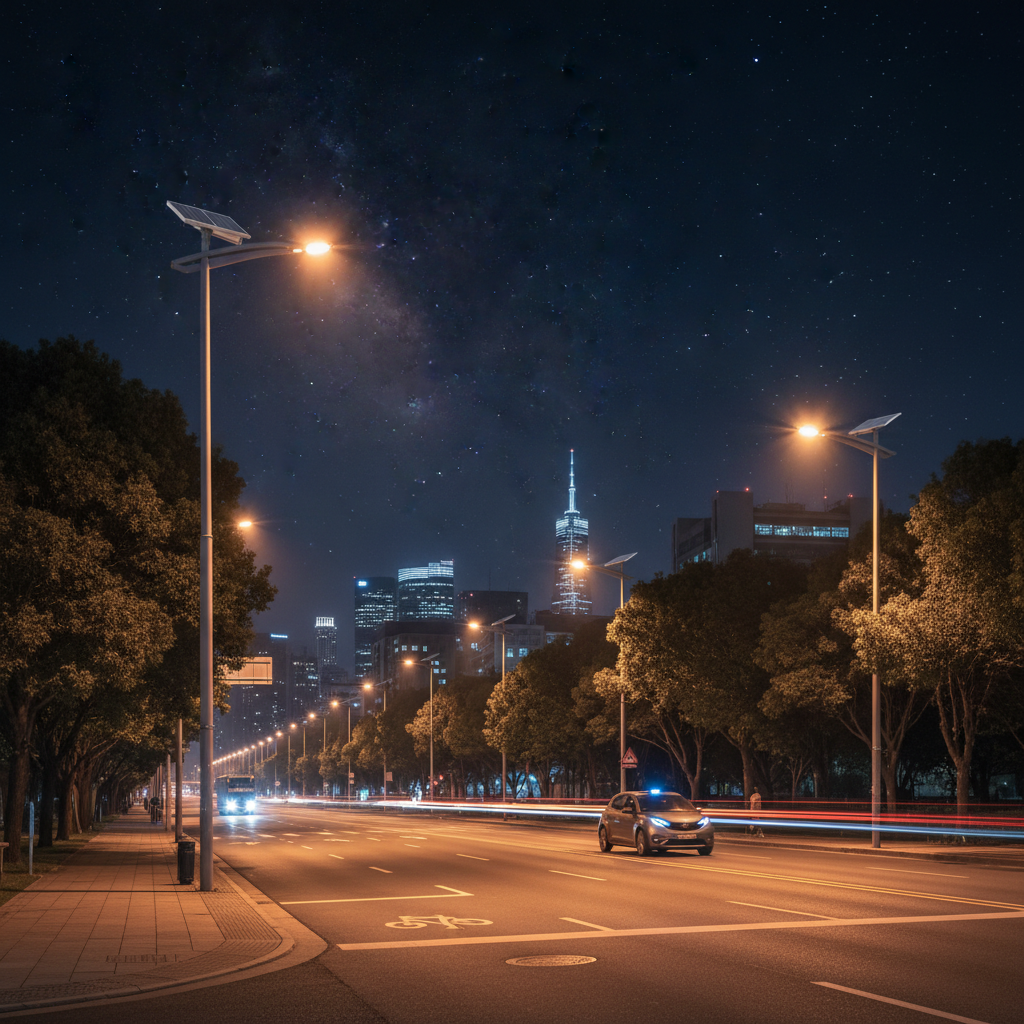
As urban areas continue to evolve into smart cities, the importance of reducing light pollution
through innovative LED street light designs cannot be overstated. Recent studies, including a report from the
International Dark-Sky Association, indicate that over 80% of the world’s
population lives under light-polluted skies, which not only disrupts the natural ecosystem but also impacts human health and well-being.
The introduction of advanced LED technologies is paving the way for significant improvements
in this regard.
New designs optimize light distribution to minimize skyglow while maintaining beneficial illumination levels for safety and visibility.
According to a report by the U.S. Department of Energy, the latest LED street lights can
reduce energy consumption by up to 50%, while their precise light direction can decrease light trespass by approximately
30%. By minimizing excessive or unintended light exposure, cities adopting these new designs can enhance urban nightscapes,
contribute to energy savings, and improve overall quality of life for residents. The comparative analysis of these developments demonstrates
a promising trend towards smarter, more sustainable lighting solutions that prioritize both energy efficiency and environmental health.
Case Studies: Successful Implementations of LED Innovations in Global Cities
As cities worldwide embrace sustainability and innovation, many have turned to LED street lighting to enhance urban landscapes while significantly reducing energy consumption. Case studies from global cities highlight the successful integration of LED technologies. For instance, Los Angeles has converted over 140,000 streetlights to LEDs, resulting in an annual energy savings of approximately $9 million. This initiative not only diminished energy use but also improved public safety through brighter, more uniform lighting.
In Barcelona, the implementation of smart LED streetlights equipped with sensors has led to optimized energy management and reduced light pollution. These lights adjust their brightness based on pedestrian presence, contributing to energy savings and enhancing the user experience.
**Tips:** When considering LED street lighting innovations, cities should assess their unique lighting needs and local conditions. Engaging with community stakeholders can help determine the best approach for implementing new technologies. Furthermore, investing in smart technology can facilitate better energy management and create a more responsive urban environment.
2025 Innovations in LED Street Lighting for Smart Cities