Top 10 Rotary Die-Cutting All-in-One Machines You Need to See?
The world of packaging and crafting is evolving rapidly. At the forefront of this transformation is the Rotary Die-Cutting All-in-One Machine. Experts in the industry, like John Smith, a leading figure in die-cutting technology, emphasize its importance. He states, "These machines redefine efficiency and creativity in production."
Rotary die-cutting has become crucial for many businesses. It streamlines processes, allowing users to create intricate designs effortlessly. The versatility of these machines makes them suitable for various applications, from packaging to custom crafts. However, selecting the right model can be daunting. There are numerous options available, each with unique features.
It is essential to consider your specific needs when choosing a Rotary Die-Cutting All-in-One Machine. Each user has different requirements. Some may prioritize speed, while others focus on precision. Exploring various models allows businesses to identify the perfect fit. However, balancing cost and performance can lead to tough decisions. Remember, an informed choice today can shape the success of your projects tomorrow.
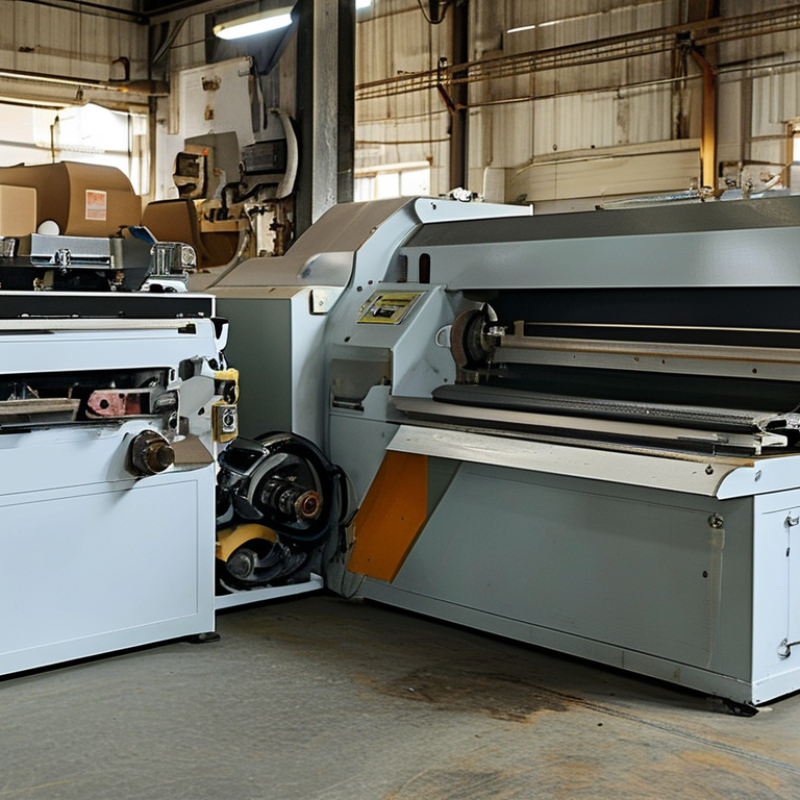
Overview of Rotary Die-Cutting All-in-One Machines
Rotary die-cutting all-in-one machines offer a versatile solution for crafters and businesses alike. These machines streamline the die-cutting process, allowing users to create intricate designs quickly and efficiently. They can cut, emboss, and sometimes even print designs in a single pass. This feature saves time and enhances productivity, making it essential for those who produce various crafted items.
Despite their capabilities, these machines can overwhelm beginners. Users may find the settings complex. Learning how to set up and operate the machine effectively takes time and practice. Also, while many machines are user-friendly, each has unique quirks. Understanding these nuances is crucial.
Choosing the right machine often involves considering specific needs. Some users prefer machines with larger cutting capacities for bigger projects. Others may prioritize portability for easy transport. Evaluating these factors ensures the selected machine meets expectations, yet it may also lead to some regrettable purchases if not researched thoroughly. Understanding both strengths and weaknesses of rotary die-cutting technology can lead to a more satisfying crafting experience.
Key Features to Look for in Rotary Die-Cutting Machines
When searching for the top rotary die-cutting machines, understanding key features is crucial. These machines are essential for anyone involved in crafting, packaging, or manufacturing. Look for durability in the structure and components. A sturdy frame ensures long-lasting performance. Also, check the user interface; simple controls make operation easier.
Consider the die-cutting capacity. Machines should handle various materials like paper, cardboard, and plastic. This versatility allows you to explore different projects. Additionally, think about the speed of production. A faster machine saves time and increases productivity, essential in busy environments.
Tip: Regular maintenance is key. A well-maintained machine performs better. Clean the cutting surfaces after every use to prevent residue buildup.
Look for machines with adjustable pressure settings. This feature lets you customize cuts for different material thicknesses. It can be frustrating when cuts aren't clean or precise. Choosing a machine that provides this flexibility enhances your results.
Tip: Always read reviews and user feedback. This information helps identify potential issues and improves your decision-making process. Remember, the right machine can significantly impact your projects and workflows.
Top 10 Recommended Rotary Die-Cutting All-in-One Machines
Rotary die-cutting is essential in various industries, from packaging to textiles. Selecting the right all-in-one machine can boost efficiency and productivity. Data from recent industry reports indicates that the demand for rotary die-cutting machines is projected to grow by 5% annually. This highlights the importance of having reliable and versatile equipment.
When considering these machines, look for key features. Pay attention to cutting precision, ease of use, and maintenance needs. Industry experts recommend machines that combine both rotary and flatbed cutting for flexibility. This combination can be crucial for projects requiring intricate designs or varied materials.
**Tips:** Always check for user reviews to gauge performance and reliability. Understanding technical support options can also save you time and resources. Lastly, reassess your production needs regularly; an unutilized machine is an unwelcome expense.
Comparative Analysis of Performance and Efficiency
When it comes to rotary die-cutting all-in-one machines, performance and efficiency are paramount. These machines vary significantly in design, speed, and capabilities. Users should look for models that offer reliable cutting precision. Some machines may excel at intricate designs, while others focus on speed. Understanding these differences helps users choose the right machine for specific needs.
Evaluating performance also means considering user experience. Some machines come with complex interfaces, making operation difficult. Ease of use matters, especially for small businesses. Training staff on advanced functions can be time-consuming. Moreover, maintenance should not be overlooked. Frequent issues or complicated repairs can hinder productivity. Machines that require too much upkeep may become a liability.
Efficiency is reflected in waste reduction and energy consumption. Advanced models offer better material utilization, saving costs in the long run. However, not all machines are energy-efficient. Some may consume excessive power, resulting in higher bills. Users should weigh these factors carefully. Balancing performance, usability, and cost-effectiveness is essential for making an informed decision.
Performance Comparison of Top 10 Rotary Die-Cutting All-in-One Machines
Maintaining Your Rotary Die-Cutting Machine: Best Practices
Maintaining a rotary die-cutting machine is crucial for optimal performance. Regular checks can prevent costly downtimes. Start by cleaning the machine after each use. Dust and debris can lead to clogs and malfunctions. Ensure that the feed rollers are free from any residue. A clean machine runs smoother and more efficiently.
Lubrication is another important aspect. Use the recommended oil for the moving parts. Too much or too little can cause wear and tear. Assess the machine's manual for specific guidelines. This attention to detail can extend the life of your device. Moreover, inspect the cutting dies regularly. A dull die can compromise the quality of your cuts. Replace or sharpen them as necessary.
Consider scheduling routine inspections with a qualified technician. They can identify issues that might not be visible to the untrained eye. However, it’s essential to be aware of your own machine’s quirks. Every device has its unique needs. Document any irregularities you notice; this can help in troubleshooting future problems. Remember, maintaining your rotary die-cutter is an ongoing process that requires your attention and care.