Why Choose LED Panel Lights for Your Home Lighting Needs?
Lighting plays a crucial role in creating a comfortable home environment. According to John Smith, a lighting expert at Bright Innovations, "LED panel lights can transform any space into a modern oasis." These lights offer a sleek design and efficient brightness. They cater to various needs, whether in a cozy living room or a spacious office.
The advantages of using LED panel lights are numerous. They provide even illumination and reduce shadows. Moreover, they consume less energy, leading to lower electricity bills. Homeowners often find themselves overwhelmed by choices. Yet, LED panel lights stand out due to their durability and longevity.
However, not all LED panel lights are created equal. Some may not deliver on their promises. Quality is essential to ensure longevity and performance. Investing in reputable brands is wise. Consumers must do their homework to avoid disappointments. With the right information, choosing LED panel lights for your home can be a satisfying journey.
Understanding LED Panel Lights and Their Functionality
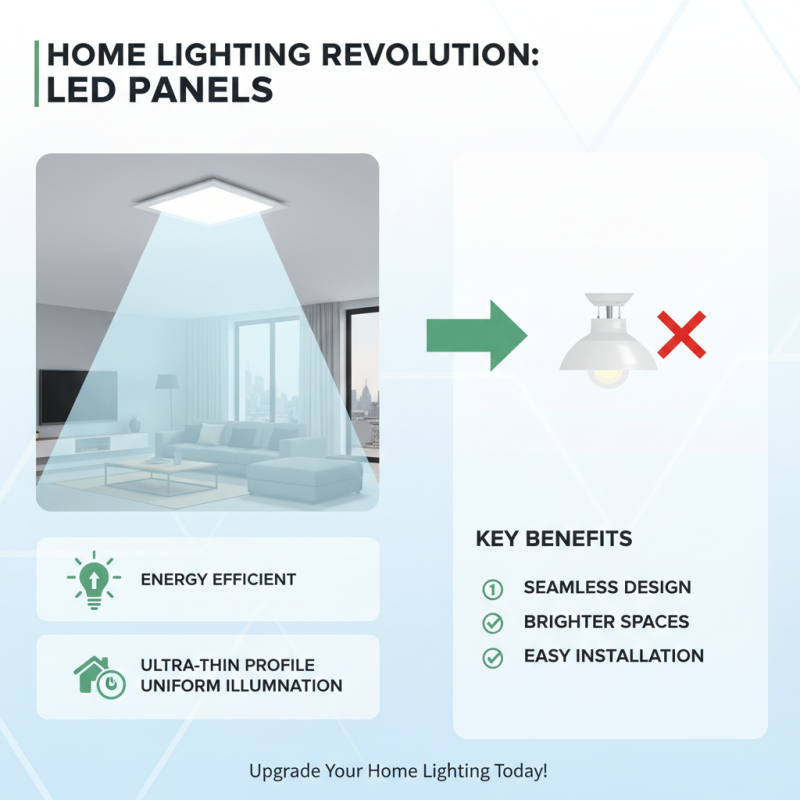
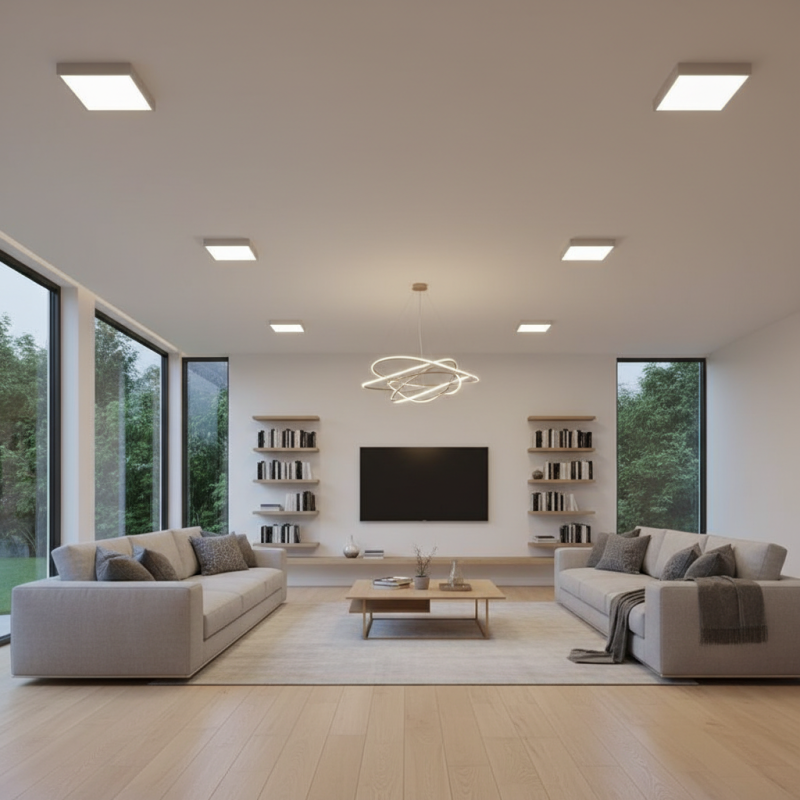
LED panel lights are becoming popular for home lighting due to their sleek design and efficiency. These lights fit seamlessly into ceilings, providing a modern look. They illuminate large areas with uniform brightness. Their thin profile allows for easy installation in various spaces.
**Tip:** Consider the color temperature when selecting LED panel lights. Warmer tones create a cozy atmosphere. Cooler tones can enhance focus and productivity.
Their functionality is notable. LED panel lights are energy-efficient, consuming less power than traditional bulbs. They have a longer lifespan, reducing the frequency of replacements. However, not all LED lights are created equal. Some may flicker or produce an unnatural hue.
**Tip:** Check for high Color Rendering Index (CRI) values. A CRI above 80 is advisable for home settings. This ensures colors appear accurate and vibrant.
Utilizing LED panel lights can significantly impact your home's ambiance. But it's essential to assess your specific lighting needs. Reflect on the areas you want to illuminate. Are there dark corners that need attention? Each room has its unique requirement. Don't rush. Plan your lighting carefully.
Advantages of LED Panel Lights over Traditional Lighting Options
LED panel lights have become a popular choice for home lighting due to their numerous advantages over traditional lighting options. One significant benefit is energy efficiency. Reports indicate that LED lights use up to 75% less energy than incandescent bulbs. This efficiency translates directly into lower electricity bills. A household switching to LED panel lights could save around $225 over the lifespan of just one bulb, which is around 25,000 hours.
Moreover, LED panel lights produce less heat compared to traditional bulbs. This means they are safer to use and reduce the burden on air conditioning systems. A study from the U.S. Department of Energy highlighted that lighting accounts for approximately 10-20% of energy use in homes. By opting for LED technology, homeowners can effectively decrease this percentage and contribute to reducing their carbon footprint.
The aesthetic appeal of LED panel lights is noteworthy. They offer a sleek, modern look that complements various interior styles. However, some users have reported issues with light flickering or dimming at times. This inconsistency can be frustrating. It's essential to choose the right fixtures and pay attention to compatibility with existing setups. Addressing these minor drawbacks can enhance the overall experience of using LED panel lights in home environments.
Comparison of LED Panel Lights and Traditional Lighting Options
How LED Panel Lights Enhance Home Aesthetics and Comfort
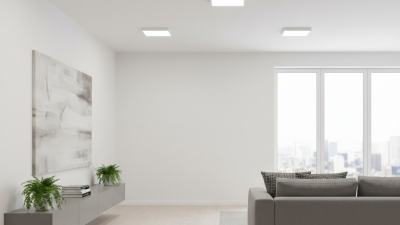
LED panel lights are a fantastic choice for enhancing home aesthetics and comfort. They offer a sleek, modern design that blends well with any interior style. Their minimalist look creates a clean, spacious environment, making rooms feel larger and more inviting. Soft, diffused lighting provides a warm ambiance, ideal for relaxation after a long day.
These lights also allow for versatile placements. You can install them in kitchens, living rooms, or even home offices. Properly positioned LED panels can highlight artwork or architectural features, adding character to your space. However, one must be mindful of brightness levels. Too bright can feel harsh; too dim might lose charm. Finding the right balance takes time and adjustments, but it’s worth the effort.
The energy efficiency of LED panels is another plus. They consume less power while producing the same brightness as traditional lights, helping to lower energy bills. However, the upfront cost can be challenging for some budgets. Transitioning fully to LED lighting might require planning and occasional compromises. Overall, LED panel lights represent a modern solution that can significantly improve your home’s feel and appearance.
Why Choose LED Panel Lights for Your Home Lighting Needs? - How LED Panel Lights Enhance Home Aesthetics and Comfort
| Feature |
Description |
Benefits |
| Energy Efficiency |
LED panel lights consume up to 80% less energy compared to traditional incandescent bulbs. |
Lower energy bills and reduced carbon footprint. |
| Longevity |
LED lights have a lifespan of up to 50,000 hours. |
Fewer replacements and reduced maintenance costs. |
| Aesthetics |
Slim and sleek design that fits seamlessly into any decor style. |
Enhances modern home interiors and provides uniform lighting. |
| Light Quality |
Offers a wide range of color temperatures from warm to cool white. |
Creates a comfortable and inviting atmosphere. |
| Safety |
LED lights produce less heat and contain no harmful substances like mercury. |
Safer for homes and the environment. |
Energy Efficiency and Cost Savings with LED Panel Lighting
When lighting your home, energy efficiency is key.
LED panel lights excel in this area. They consume significantly less energy than traditional bulbs, which means
lower electricity bills for you. Many families have
noticed a drop in monthly costs.
These lights also last much longer. An average LED panel can last over
25,000 hours. This reduces the need for frequent
replacements. Fewer bulbs mean less waste in landfills.
Imagine not having to change a light every few months. However, some
people may find the initial cost higher. It's important to weigh the
long-term benefits against upfront expenses.
LED panel lights offer consistent illumination, creating a pleasant atmosphere without flickering. Yet, the
quality varies. Some panels may produce harsh lighting. It's worth researching different options.
Consider what fits your lifestyle and needs.
Embracing LED panel lights can lead to
significant cost savings and comfort in your home.
Installation and Maintenance Tips for LED Panel Lights in Homes
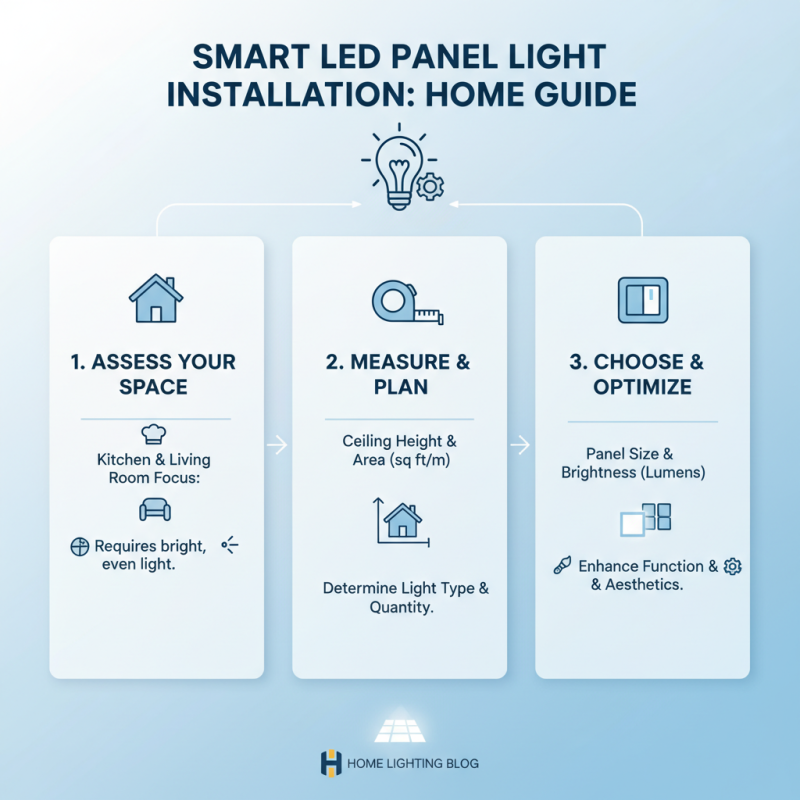
When it comes to installing LED panel lights in your home, careful planning is essential. Begin by assessing the areas that need proper lighting. Pay attention to spaces such as kitchens and living rooms. These spots often require bright, even illumination to enhance functionality and aesthetics. Measure the ceiling height and the area where you plan to install the panels. This will help determine the type and number of lights you need.
During the installation process, it’s important to follow safety guidelines. Ensure the power is off before you start. Using a measuring tape, mark the positions of the panels accurately. You might find it tricky to align them perfectly, so take your time. If you're not comfortable with wiring, consider hiring a professional. This could save you from potential mistakes that may compromise safety.
Maintenance is relatively simple but often overlooked. Regularly check for dust buildup on the panels. This can diminish their brightness. Clean them gently with a soft cloth. It’s also wise to check the wiring annually. Inadequate checking can lead to issues later on. Reflecting on these aspects can help you enjoy the full benefits of LED panel lights in your home.