2026 Best LED High Bay Lights for Warehouses?
A warehouse high bay is easy to underestimate. It hangs above steel racks, loading lanes, and concrete floors, yet it shapes visibility, energy use, and maintenance work across the building. In 2026, choosing led high bay lights means looking beyond wattage and advertised lumens. Beam distribution, mounting height, glare, controls, and temperature ratings all matter. The wrong optic can leave dark aisles, even when the fixture looks powerful on paper.
The U.S. Department of Energy’s Energy Saver guidance reports that LEDs use up to 90% less energy than traditional incandescent lighting and can last up to 25 times longer. Those figures are broad comparisons, not a guaranteed warehouse outcome. Actual savings depend on operating hours, existing fixtures, controls, and installation quality. Amory Lovins, an energy-efficiency expert and co-founder of Rocky Mountain Institute, is often quoted: “The cheapest energy is the energy you don’t use.” It is a useful reminder, but efficiency claims still need a site-specific calculation.
This guide compares 2026 high bay options through practical questions: How high is the ceiling? Are the aisles narrow? Will occupancy sensors work reliably? What does the warranty actually cover? A sample layout and measured lighting levels can reveal problems a product sheet misses. No fixture is perfect. Even a strong model may be a poor fit for a dusty, cold, or unusually tall space. The goal is not to chase the brightest specification, but to find dependable light, sensible controls, and a realistic total cost.
Define warehouse high bays by 20–45 ft mounting heights and application zones
2026 Best LED High Bay Lights for Warehouses?
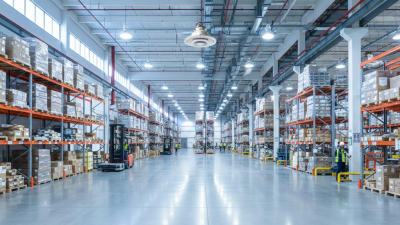
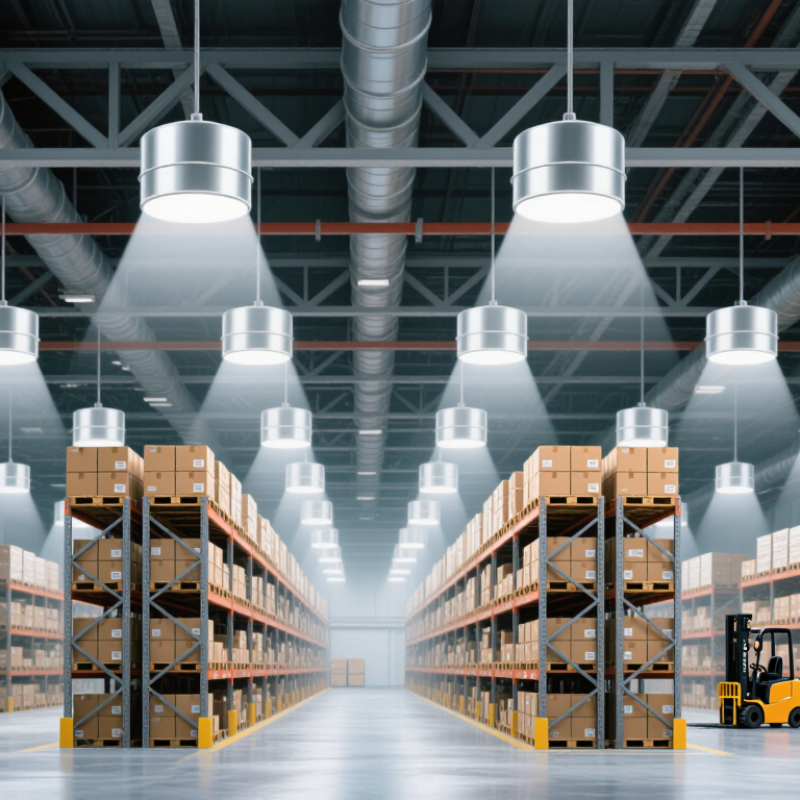
Warehouse high bays are designed for mounting heights between 20 and 45 feet. At 20–25 feet, medium-output fixtures often suit packing areas, workstations, and smaller storage aisles. At 30–35 feet, higher-output units can support wide aisles and pallet racks. Mounting heights near 40–45 feet need careful beam control, stronger illumination, and verified photometric data.
Application zones matter as much as ceiling height. Narrow aisles benefit from focused beams that place light on rack faces and floor paths. Open storage zones usually need wider distributions for more even coverage. Loading areas may require better vertical illumination, especially around dock doors and vehicle movement. A lighting assessment should check measured foot-candles or lux, glare, shadows, color quality, and emergency-lighting requirements. Real warehouse conditions often differ from drawings.
Tips: Measure the actual mounting height, aisle width, rack height, and floor reflectance. Request a layout before selecting wattage. Check temperature ratings in cold rooms. Review flicker performance near cameras and moving equipment. I have seen overpowered fixtures create glare while leaving rack faces dim. That result looks bright, but it works poorly. A small trial installation can reveal problems before a full retrofit. Even experienced planners should revisit assumptions after the first night inspection.
Set illuminance targets with IES guidance: about 10 fc for storage, 30 fc for picking
For warehouse lighting, set illuminance targets before comparing LED high bay fixtures. IES guidance commonly points to about 10 foot-candles for storage and 30 foot-candles for picking. These are practical starting points, not guarantees for every building. Rack height, aisle width, ceiling structure, and task detail can all change the amount of light workers need.
Storage areas need usable, even light across floors and rack faces. A reading near 10 fc may suit general movement and locating labeled goods, but deep shelving can create dark pockets. Picking tasks demand more detail. Around 30 fc can help workers read labels, check quantities, and handle small items. Test at work height, not only beneath a fixture. Measure several points, including aisle edges and spaces between racks.
Real warehouses are rarely perfect rectangles. Dust, aging lenses, blocked beams, and changing inventory can reduce light over time. I’ve seen a layout look adequate on paper, then leave shadows where cartons extend beyond the rack. That is worth revisiting. Use a photometric layout as a planning tool, then verify conditions on site after installation and adjust spacing or aiming where needed.
Compare LED efficacy at 140–200 lm/W and match lumen output to ceiling height
For a 2026 warehouse retrofit, compare delivered lumens per watt, not chip claims alone. A practical shortlist spans 140–200 lm/W, but verify the fixture’s tested system efficacy, including its driver and optics. The U.S. Department of Energy’s 2022 Solid-State Lighting R&D Opportunities report identifies efficacy as a central performance measure for LED systems. Ask suppliers for test data, photometric files, and lumen-maintenance information. A bright spec sheet is not a lighting plan.
Match lumen output to mounting height and aisle layout. At roughly 6–8 metres, a 15,000–20,000-lumen high bay may suit some open areas; taller ceilings often need higher-output fixtures or tighter spacing. Treat those figures as starting points, not prescriptions. IES industrial-lighting guidance emphasizes designing for the visual task, so check maintained light levels at the floor and work surfaces. Look for dark gaps between racks. A simple point-by-point layout can reveal them before installation. Reflective floors, narrow aisles, and shelving can change results, and I have seen uniformity suffer when installers choose wattage by ceiling height alone. Be willing to revise the first layout.
Assess 4000–5000 K color temperature, CRI 80+, glare control, and occupancy sensors
2026 Best LED High Bay Lights for Warehouses?
Choosing high bay lighting for 2026 requires more than comparing wattage and lumen output. In a warehouse, 4000–5000 K light usually creates a clean, neutral appearance. It helps workers read labels and distinguish package colors. A CRI of 80 or higher supports clearer visual checks. I have found that 5000 K can feel productive, but it may appear harsh in offices or break areas. A balanced 4000 K option often feels more comfortable.
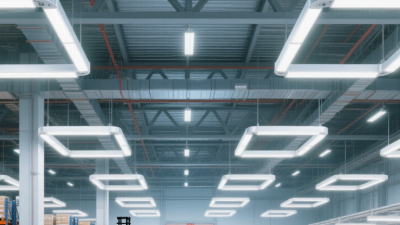
Glare control deserves equal attention. Look for diffusers, optical lenses, and carefully directed beams. Bright reflections on shrink wrap or polished floors can cause eye strain. Mounting height also changes the result. A narrow beam may leave dark aisles, while a wide beam can waste light near walls. Occupancy sensors reduce energy use in quiet storage zones. However, sensor delays must be adjusted carefully. Lights switching off during brief tasks can frustrate workers and create safety concerns.
Tips: Test one aisle before upgrading the entire facility. Measure light at floor level and near shelving faces. Check sensor response during forklift movement. Keep maintenance records, too. Dust changes performance.
One detail is easy to overlook. Cleaner fixtures usually perform better. A practical review should include worker feedback, not only technical data.
Verify DLC qualification, UL 1598 listing, and 0–10 V dimming compatibility
2026 Best LED High Bay Lights for Warehouses?
A high bay light should pass three checks before price comparisons begin. Verify its exact model on the DesignLights Consortium Qualified Products List. DLC qualification supports rebate eligibility and documents tested performance, but it does not replace field evaluation. The U.S. Department of Energy’s 2023 Solid-State Lighting R&D Opportunities report identifies more than 200 lumens per watt as a development benchmark. That figure is not typical for every installed fixture. Treat unusually high claims carefully.
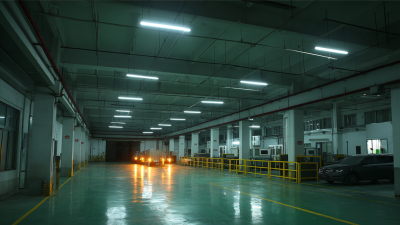
UL 1598 listing confirms evaluation for luminaires used in fixed installations. Check the certification directory, not only a printed mark on the housing. Confirm the model, mounting method, ambient temperature rating, and emergency options. A warehouse aisle can reach a dusty 35°C above a loading dock. Heat matters. So does maintenance access.
Confirm 0–10 V dimming compatibility with the driver and the control system. Some fixtures accept sinking controls, while others require sourcing controls. The interface may look identical, yet performance can differ. Request wiring diagrams and test a sample at 10%, 50%, and 100% output. DLC SSL Technical Requirements include control-related performance expectations, but installation quality still decides the result. I have seen commissioning teams trust a product sheet and discover flicker during low-level dimming. That mistake is avoidable, though not always obvious. Record measured illuminance, standby behavior, and restart performance before approving a full warehouse rollout.