What Is the Best LED Light Bulb for Buyers in 2026?

Choosing the best LED light bulb in 2026 is not about finding one winner for every home. It means matching a bulb to the room, fixture, and daily routine. Start with brightness, measured in lumens, rather than wattage alone. Color temperature matters, too. Warm white can make a bedside corner feel calmer, while cooler light may suit a kitchen work area. Check the base, bulb shape, dimmer compatibility, and stated lifespan before buying. Small details matter. A bulb that sticks out from a lampshade or dims unevenly can disappoint, even when its packaging looks impressive.

This guide explores how to compare an LED light bulb by brightness, color quality, energy use, expected life, and price. It also considers where each feature matters in real rooms: a hallway needs dependable everyday light, while a desk benefits from comfortable, clear illumination. Product labels and manufacturer claims are useful starting points, but they do not perfectly predict how a bulb will look in your fixture. No chart captures every room. That is worth remembering. We’ll explain which specifications deserve attention, which trade-offs may be acceptable, and what to check before replacing an old bulb. The best choice may be less exciting than a headline promises; it should simply provide suitable light, fit correctly, and meet your needs without unpleasant surprises.
What Is the Best LED Light Bulb for Buyers in 2026?

Understanding LED Bulb Types and Key Specifications

What Is the Best LED Light Bulb for Buyers in 2026?

Understanding LED Bulb Types and Key Specifications

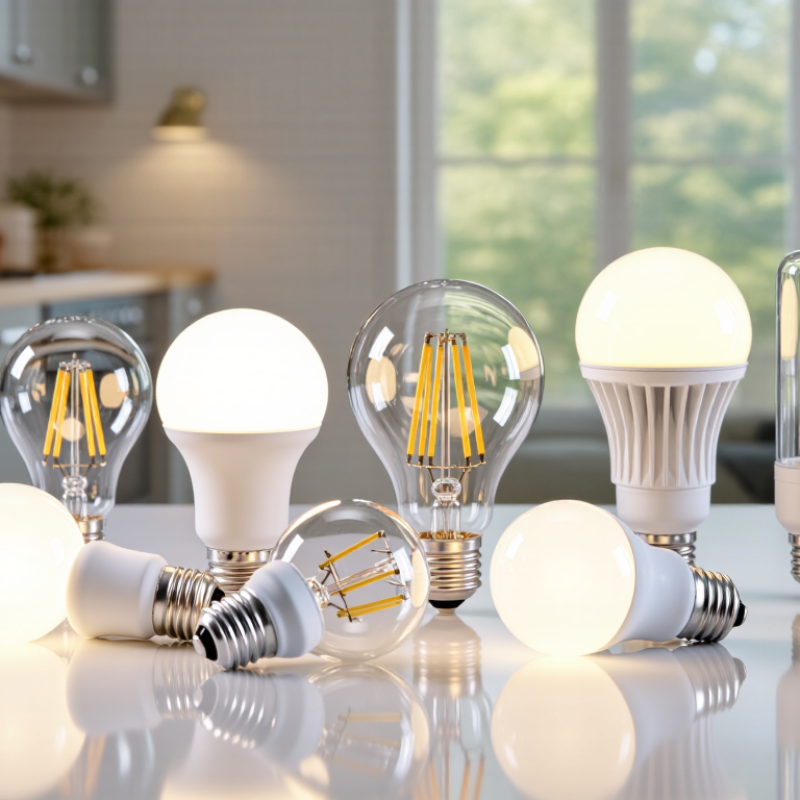
The right LED bulb depends on its fixture and task, not just its price. Standard A-shaped bulbs suit most table lamps and enclosed ceiling fixtures. Reflector bulbs direct light downward, making them useful in recessed cans. Candle-shaped bulbs fit many decorative fixtures.

Check the fixture’s socket and clearance before buying; a bulb can be technically compatible yet too large.

Compare brightness by lumens, not watts. Watts measure energy use, while lumens describe visible light output. For a warm, relaxed feel, look near 2700 kelvin. Around 4000 kelvin appears cooler and can suit work areas. Color rendering index, or CRI, describes how naturally colors appear; a rating of 90 or higher can help in kitchens or near clothing. Small details matter.

Also check whether a bulb is dimmable and compatible with the existing dimmer. Some combinations flicker or buzz. Beam angle affects whether light spreads widely or highlights one spot. Rated life is useful, but actual performance depends on heat and operating conditions. The package can feel crowded with numbers, and no single specification tells the whole story. A quick check of the fixture, desired light color, and dimmer often narrows the options.

Matching Bulb Shape, Base, and Brightness to Your Fixtures

Choosing an LED bulb starts with the fixture, not the package. Match the bulb’s shape to the space: an A-shaped bulb suits many open lamps, while a narrow candle shape fits some decorative fixtures. Check the fixture label and the old bulb before buying. Small details matter. A bulb that is too wide may touch a shade or look awkward.

The base must fit the socket exactly. E26 is common in many North American household fixtures; smaller bases appear in some sconces and decorative lamps. Standards vary by region, so confirm the marking rather than guessing from a photo. If the bulb sits in an enclosed fixture, check that its packaging says it is suitable for enclosed use. Heat buildup can shorten the life of an unsuitable bulb.

Choose brightness by lumens, not watts. Around 800 lumens often provides light similar to an old 60-watt incandescent, though room size and shade design change how bright it feels. For a desk, brighter, focused light may help; a bedside lamp usually benefits from gentler output. Check color temperature, too: warm white often feels softer in living spaces. Dimmers need compatible LED bulbs. A small oversight here can mean flickering. I’d still compare the fixture label with the bulb package twice; it is an easy step to rush.

Choosing LED Brightness for Your Fixtures

Use lumens to compare brightness: common 40-, 60-, 75-, and 100-watt incandescent equivalents are approximately 450, 800, 1,100, and 1,600 lumens. These are typical values; check the bulb packaging for its actual lumen output, shape, and base, and confirm each fits your fixture.

Comparing Color Quality, Dimming, and Smart Features

A good LED bulb should make a room feel right, not merely bright. ENERGY STAR’s lamp criteria set a minimum color rendering index (CRI) of 80, but that is a baseline, not a guarantee that skin, food, or wood will look natural. For richer color, compare bulbs with CRI ratings of 90 or higher, and check the light in the room where you will use it. I still find CRI alone a blunt tool. The Illuminating Engineering Society’s TM-30 method adds fidelity and gamut measures, giving buyers a fuller picture of how colors may shift.

Dimming deserves a real-world test. The U.S. Department of Energy’s guidance on LED lighting controls notes that bulb and dimmer compatibility matters; mismatches can cause flicker, buzzing, or a narrow dimming range. Start with one bulb, then lower it slowly in the actual fixture. Smooth at full brightness, perhaps rough at the bottom. That small check can prevent a whole room from feeling harsh at night.

Smart features are useful when they solve a specific routine. App control can set a warm evening scene, while schedules can switch lights off when a room is usually empty. Before buying, check whether the bulb supports your preferred control system and whether basic switching still works without internet access. Connected features add convenience, but they also add setup steps and another point of failure. The best choice is often the one everyone at home can operate without hunting through menus.

What Is the Best LED Light Bulb for Buyers in 2026? - Comparing Color Quality, Dimming, and Smart Features
Bulb type Typical light output and power Color quality Dimming Smart features Typical rated life Best suited for
Standard soft-white LED About 800 lumens; commonly 8–10 W Usually CRI 80+; commonly 2700–3000 K Available in dimmable and non-dimmable versions; check fixture and dimmer compatibility None built in Often rated around 15,000–25,000 hours Everyday home lighting and value-focused replacement
High-CRI LED About 800 lumens; commonly 9–11 W CRI 90+ is common in this category; available in several white color temperatures Dimmable options are common; smooth performance depends on the bulb-dimmer pairing None built in Varies by product; check the published rating Rooms where more faithful color appearance matters, such as kitchens or dressing areas
Warm-dimming LED About 800 lumens at full brightness; commonly 8–10 W Typically shifts from a brighter white toward a warmer glow as it dims; exact range varies Designed to dim; verify compatibility with the installed dimmer None built in Varies by product; check the published rating Living rooms and bedrooms where a warmer low-light setting is preferred
Tunable-white LED About 800 lumens; commonly 9–12 W Adjustable white color, often spanning warm white to cool white; CRI varies by product Brightness and color adjustment may require a compatible controller or app May offer app control, schedules, or voice-assistant integration; requirements vary Varies by product; check the published rating Buyers who want adjustable white light for different activities or times of day
Smart full-color LED Often around 800 lumens; commonly 9–12 W, with output varying by color setting Offers selectable colors and white-light settings; white-light CRI and brightness vary by product Usually controlled through an app or compatible smart-home system; ordinary wall dimmers may not be suitable May include app control, scenes, schedules, and voice control; connectivity and hub needs differ Varies by product; check the published rating Buyers who want remote control, automation, or decorative color effects

Figures are representative ranges, not guarantees. Actual brightness, power use, color rendering, dimming behavior, connectivity, and rated life vary by product. Check the bulb’s specifications and confirm that its base, size, enclosed-fixture rating, and dimmer compatibility suit your installation.

Evaluating Energy Use, Lifespan, Safety, and Warranty

For buyers in 2026, the best LED bulb is not automatically the cheapest or the one with the highest advertised lifespan. Compare lumens with watts: lumens describe brightness, while watts show electricity use. A bulb that provides enough light with fewer watts can reduce everyday consumption, especially in rooms used for hours. Check the package’s estimated energy cost, but treat it as a comparison, not a promise; electricity rates and usage vary. Warm light around 2700K may suit relaxed rooms, while cooler options can feel clearer at a workbench. Small details matter.

Lifespan claims are useful when read alongside operating hours and fixture conditions. Heat trapped in an enclosed fitting can shorten service life, even when the label looks impressive. For safety, look for recognized third-party testing marks relevant to your market, and check the bulb’s shape, wattage, and dimmer compatibility before installation. Never force a bulb into a mismatched fitting. Read the warranty for coverage length, exclusions, and proof-of-purchase requirements. A long warranty does not guarantee an easy replacement. Keeping the receipt seems trivial, but it can make a claim less frustrating when a bulb starts flickering.

Choosing an LED Bulb for Your Budget and Lighting Needs

Choosing the best LED bulb starts with the room, not the price tag. For a bedside lamp, warm light around 2700 kelvin feels softer; a kitchen work area may benefit from a cooler 3000–4000 kelvin bulb. Check lumens for brightness and confirm the bulb fits the fixture. Small details matter: a dimmer may require a dimmable bulb, and enclosed fixtures can trap heat.

Budget the purchase over its lifetime. The U.S. Department of Energy’s LED lighting guidance says LEDs use at least 75% less energy and can last up to 25 times longer than incandescent bulbs. As a practical example, replacing a 60-watt bulb with a 9-watt LED used three hours daily saves about 56 kilowatt-hours per year. Your actual savings depend on local electricity rates and use. Look for clear packaging with lumens, wattage, color temperature, and expected life. A low-cost bulb may suit a rarely used closet; for a reading lamp used every evening, reliable color and comfort may matter more. Not every room needs the same bulb. And the cheapest option can disappoint if its light feels harsh.

has been added to your cart.
Checkout