10 Best LED Panel Lights for Global Buyers?

Choosing the right LED panel lights is no longer a simple brightness decision. Global buyers must compare efficacy, glare control, color accuracy, lifespan, driver quality, and installation requirements. A panel that performs well in a Singapore office may disappoint in a cold warehouse or a European classroom. Voltage, ceiling systems, emergency options, and local compliance also matter.

The U.S. Department of Energy reports that LED products can use at least 75% less energy and last up to 25 times longer than incandescent lighting. That benchmark explains the market’s rapid shift toward efficient commercial fixtures. The International Energy Agency also identifies efficient lighting as an important part of reducing building electricity demand. Still, efficiency numbers can mislead. Some manufacturers publish laboratory results that do not reflect heat, dust, dimming, or daily operating conditions.

James Brodrick, formerly associated with the U.S. Department of Energy’s solid-state lighting program, described LEDs as “not a technology; they are a platform.” That idea is useful here. LED panel lights combine optics, chips, drivers, housing, controls, and thermal design. Each part changes the user experience. This guide examines ten leading options through practical criteria, including measured lumens, wattage, UGR performance, CRI, warranty terms, and replaceable components. It also considers certification documentation and regional support, rather than trusting attractive packaging alone. No ranking is flawless. Product availability changes, and independent testing remains limited for some models. Buyers should verify current specifications before ordering.
10 Best LED Panel Lights for Global Buyers?

What Are LED Panel Lights and How Do They Work?

LED panel lights are flat luminaires designed for offices, schools, hospitals, and retail ceilings.

They usually contain LED chips, a driver, a light guide, a diffuser, and a metal frame. The driver converts incoming AC power into controlled DC current. The chips then produce light through electroluminescence, not heated filaments.

Panels use either edge-lit or direct-lit designs. Edge-lit models send light through a thin guide plate, while direct-lit models place LEDs behind the diffuser.

A good diffuser reduces harsh points and helps produce an even ceiling glow. However, poor thermal control can shorten LED life. Heat still matters.

The U.S. Department of Energy states that LED products can use at least 75% less energy than incandescent lighting and last up to 25 times longer. The International Energy Agency’s Energy Efficiency 2023 report also identified LEDs as more than half of global lighting sales in 2022.

These figures support LED adoption, but they should not replace product testing. Actual savings depend on wattage, operating hours, controls, and installation quality.

Global buyers should check efficacy, measured in lumens per watt, along with color rendering, flicker performance, glare rating, and driver certification.

A panel producing 4,000 lumens may still feel uncomfortable if glare is excessive. Specifications can look impressive. Field conditions may disagree.

Request independent test reports, warranty terms, and photometric files before comparing prices. A lower purchase cost can become expensive when drivers fail early or installers replace incompatible controls.

Which Features Matter When Comparing LED Panel Lights?

When comparing LED panel lights, look beyond wattage and price. A bright panel may still create glare, uneven illumination, or uncomfortable reflections on office screens. Check delivered lumens, not only advertised power. Measure useful light at the working surface when possible. Small differences matter.

Color quality deserves careful attention. A CRI above 80 suits general offices, while healthcare, retail, and design spaces may need higher performance. Select a suitable color temperature, such as 3000K for warm areas or 4000K for focused workspaces. Flicker also matters. Ask for test data, driver specifications, and compliance documentation from recognized laboratories. Marketing language is not enough.

Thermal design influences service life. Examine the aluminum frame, heat dissipation, and rated lifetime at a stated ambient temperature. A panel rated for 50,000 hours may perform differently in a hot ceiling void. Check voltage range, dimming compatibility, emergency options, and installation depth for the destination market. Warranty terms should explain exclusions, replacement procedures, and expected maintenance. Poor access can make a cheap panel expensive later. I would also compare glare ratings, especially in classrooms and open offices. Yet even a low-glare design can disappoint if installed at the wrong angle. That detail is easy to miss. Suppliers should provide photometric files, safety certifications, sample units, and clear technical drawings before bulk purchasing.

How to Evaluate the 10 Best LED Panel Lights

To evaluate the 10 best LED panel lights, start with the room, not the product page. Measure ceiling height, work surfaces, and daylight direction. A bright panel can still create glare above a glossy desk. Check lumen output, wattage, and efficacy, but read the testing conditions carefully. Numbers from different laboratories may not be directly comparable. Look for a wide, even beam and low visible flicker. Test it in place.

In offices, classrooms, and clinics, I compare panels at the same distance and color setting. I use a light meter, then inspect printed text beneath the fixture. The page should look clear, without harsh patches or gray corners. Color rendering matters near skin, fabric, food, and product samples. A high CRI rating helps, yet it does not replace a real-room check. Select adjustable color temperature only when users need it. Extra controls can increase failure points and training time. My own mistake was trusting a showroom ceiling.

Review the diffuser, frame, driver, and heat management. A thin panel may look elegant, but poor thermal design can shorten service life. Confirm the rated lifetime, warranty terms, replacement process, and compatibility with local voltage and controls. Check installation depth and access above the ceiling. A perfect fixture is useless if technicians cannot reach its driver. For public projects, verify applicable safety and efficiency certifications in the destination market. Keep test reports and invoices. Leave room for doubt. “Best” depends on glare, maintenance, budget, and the people using the space.

Which LED Panel Lights Suit Different Global Applications?

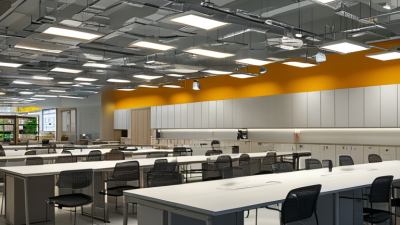
Choosing the right LED panel light depends on the application, not only the wattage. Offices usually need low-glare panels with neutral white light around 4000K. This reduces screen reflections and supports comfortable desk work. Classrooms need even illumination, reliable drivers, and good color rendering for reading. A panel with flicker control is also important, although buyers sometimes overlook it during product comparisons.

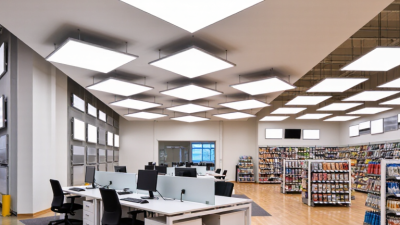
Retail spaces require accurate color rendering, especially for clothing, food, and artwork. In hospitals and clinics, cleanable surfaces, stable output, and suitable brightness are more valuable than decorative designs. Warehouses may benefit from higher-output panels, but ceiling height must be measured carefully. A bright panel can still create dark zones when spacing is poor. For humid rooms, verify the required protection rating rather than assuming every panel is suitable.

Tips: Check the ceiling size, mounting method, color temperature, glare rating, and local electrical requirements before ordering. Request test samples when possible. I once selected a panel by lumen output alone, and the room still felt uncomfortable. That mistake taught me to assess beam distribution, glare, and real working conditions together. Also compare warranty terms, driver replacement options, and expected maintenance access. A small installation trial can reveal problems that product data sheets cannot.

10 Best LED Panel Lights for Global Buyers? - Which LED Panel Lights Suit Different Global Applications?
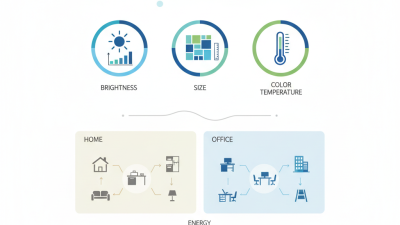
A practical comparison of common LED panel-light configurations for offices, education, healthcare, retail, hospitality, industrial, and outdoor-related applications.

Comparison of ten LED panel light configurations for global applications
No. LED Panel Light Type Typical Wattage Common Size Typical CCT CRI Typical Efficacy Mounting Method Recommended Applications Key Selection Advantage
1 600 × 600 mm Edge-Lit Panel 36–40 W 600 × 600 mm 3000 K, 4000 K, 5000 K, 6500 K ≥80 90–110 lm/W Recessed, surface-mounted, or suspended Offices and classrooms Uniform light distribution with a slim profile and broad ceiling compatibility.
2 1200 × 300 mm Edge-Lit Panel 36–40 W 1200 × 300 mm 3000 K, 4000 K, 5000 K ≥80 90–110 lm/W Recessed, surface-mounted, or suspended Linear office layouts Matches long ceiling grids and supports continuous-looking lighting layouts.
3 600 × 600 mm Back-Lit Panel 36–48 W 600 × 600 mm 4000 K or 5000 K ≥80 95–120 lm/W Recessed or surface-mounted Commercial interiors LED boards are distributed across the rear of the panel, supporting consistent brightness.
4 Low-Glare Micro-Prismatic Panel 30–40 W 600 × 600 mm or 1200 × 300 mm 3000 K, 4000 K, 5000 K ≥80; ≥90 available 85–105 lm/W Recessed or suspended Computer workspaces Optical control helps reduce discomfort glare and screen reflections.
5 High-CRI LED Panel 30–40 W 600 × 600 mm or 1200 × 300 mm 3000 K, 3500 K, 4000 K CRI ≥90 80–100 lm/W Recessed, surface-mounted, or suspended Healthcare and retail Improves color rendering where accurate product, material, or skin-tone recognition matters.
6 Tunable-White LED Panel 36–45 W 600 × 600 mm or 1200 × 300 mm 2700–6500 K adjustable ≥80; ≥90 available 80–105 lm/W Recessed, surface-mounted, or suspended Hotels and smart buildings Allows users to change color temperature for different schedules, activities, or ambience.
7 Dimmable and Sensor-Ready Panel 30–40 W 600 × 600 mm or 1200 × 300 mm 3000 K, 4000 K, 5000 K ≥80 90–110 lm/W Recessed or surface-mounted Energy-managed buildings Can support daylight harvesting, occupancy control, and lower operating energy.
8 Emergency-Backup LED Panel 36–40 W normal lighting 600 × 600 mm 4000 K or 5000 K ≥80 85–105 lm/W Recessed or surface-mounted Public buildings Includes an emergency-lighting option for maintaining illumination during power interruptions.
9 Moisture-Resistant LED Panel 36–48 W 600 × 600 mm or 1200 × 300 mm 4000 K or 5000 K ≥80 85–105 lm/W Surface-mounted or recessed with suitable protection Utility and semi-humid areas Suitable for locations requiring better resistance to humidity; verify the actual IP rating before installation.
10 High-Output Panel for Large Spaces 48–60 W 600 × 600 mm or 1200 × 600 mm 4000 K, 5000 K, 6500 K ≥80 95–120 lm/W Surface-mounted or suspended Warehouses and large halls Higher lumen output can reduce the number of fixtures required in high-ceiling spaces.
Buyer note: Actual performance varies by LED package, driver, diffuser, ambient temperature, dimming system, and installation method. Confirm lumen output, power factor, THD, lifetime rating, photometric files, safety certifications, and local voltage requirements before purchase.

How to Choose, Install, and Maintain an LED Panel Light?

How to Choose, Install, and Maintain an LED Panel Light

Choosing an LED panel light starts with the room, not the catalogue. For offices, 3,000–4,000K usually supports comfortable visual work. Check the UGR rating, flicker performance, colour rendering, and emergency compatibility. The U.S. Department of Energy’s 2023 Solid-State Lighting R&D Opportunities report records laboratory LED packages above 200 lumens per watt, but complete fixtures perform lower. Compare delivered lumens and system watts, not impressive chip figures.

Measure the ceiling opening carefully. A few millimetres matter. Confirm the driver voltage, mounting method, and local electrical requirements before ordering. Surface frames suit solid ceilings, while recessed panels need secure support above the grid. Switch off the circuit, use suitable protection, and leave ventilation around the driver. Never suspend a panel from fragile ceiling tiles alone. That mistake is common.

Maintenance is simple, but not optional. Dust the diffuser with a dry, soft cloth every six to twelve months. Inspect loose connectors, dark spots, buzzing, and colour changes. The International Energy Agency reports that lighting still represents roughly 10% of global electricity use, so efficient operation matters over years. A 2022 U.S. Department of Energy lighting report also notes that controls can create substantial additional savings when occupancy patterns are suitable. I would still test sensors carefully; poorly adjusted controls annoy users and waste energy. Keep replacement drivers documented. Compatibility is often overlooked.

has been added to your cart.
Checkout