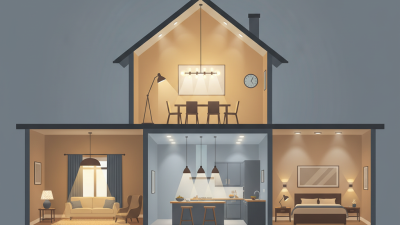
Why Choose LED Fixtures for Commercial Lighting?
Commercial buildings need lighting that performs reliably across long operating hours, changing tasks, and large floor areas. That is why led fixtures deserve careful consideration. The U.S. Department of Energy’s Energy Saver guidance reports that LED lighting uses at least 75% less energy and lasts up to 25 times longer than incandescent lighting. These figures use incandescent products as the comparison, not every commercial fluorescent system. That distinction matters.
For facility managers, the practical case involves more than electricity use. A warehouse aisle, hotel lobby, and open-plan office each need different light levels, distributions, and color qualities. Well-selected fixtures can help reduce maintenance visits, improve visibility, and support controls such as occupancy sensors and daylight dimming. In a high-ceiling space, fewer lamp replacements can also mean less lift equipment and less disruption. Small details count.
Yet savings are not automatic. Poor glare control, mismatched color temperature, or incompatible dimming can undermine an otherwise efficient installation. Upfront costs may also be higher, and actual payback depends on operating hours, utility rates, and existing equipment. The DOE figures provide useful context, not a project-specific guarantee. A lighting audit and a review of product specifications are sensible starting points.
This guide examines why commercial buyers choose LED fixtures, where the benefits are strongest, and what to check before installation. The technology is compelling, but selection still takes judgment. That part is easy to underestimate.
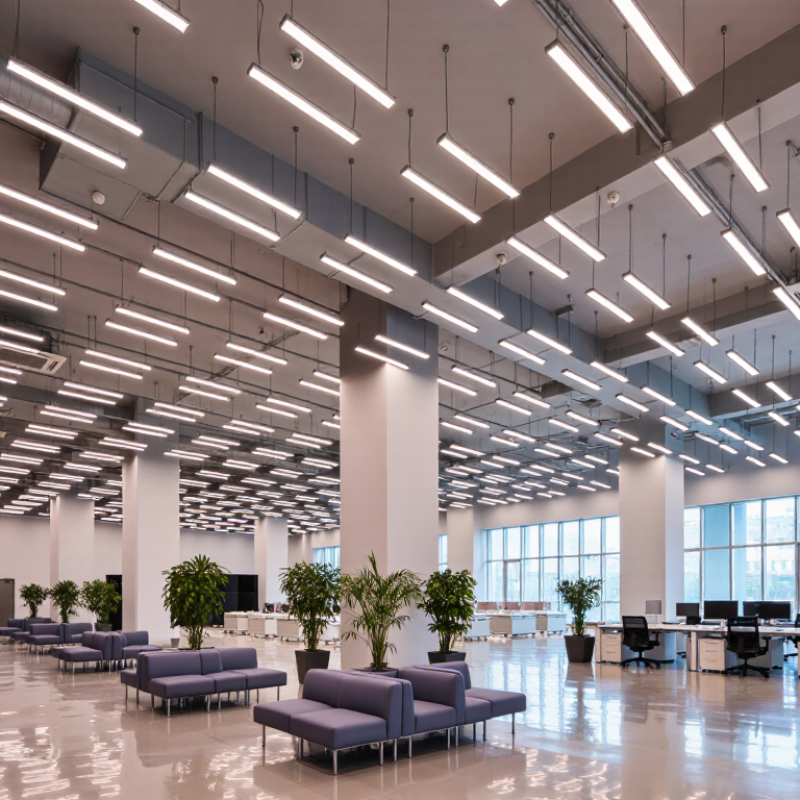
What LED Fixtures Are and How They Produce Light
An LED fixture is a complete lighting unit, not just a replaceable bulb. It typically includes LED chips, a driver, heat-dissipating parts, and a housing with a lens or reflector. In a warehouse, the fixture might hang above an aisle; in an office, a flat panel may sit flush with the ceiling. Its shape helps direct light where people need it.
The LED chips produce light when electrical current passes through semiconductor material. This process is called electroluminescence. Many white-light fixtures use a blue LED chip with a phosphor coating, which converts some of the blue light into broader wavelengths that appear white. The driver regulates incoming power so the LEDs receive a suitable current. Optics then spread or focus the light, while the fixture’s body moves heat away from the chips. Small parts matter. Excess heat can shorten component life, even when the fixture looks well made. Color appearance, glare, and light distribution also vary by design, so “LED” alone does not guarantee comfortable lighting. It is easy to focus on energy use and overlook the quality of the light on a desk or work surface.
How LED Fixtures Meet Commercial Lighting Needs
Why Choose LED Fixtures for Commercial Lighting?
How LED Fixtures Meet Commercial Lighting Needs
Commercial spaces need lighting that works across long shifts, changing tasks, and varied room layouts. LED fixtures offer controllable output, quick start-up, and options such as recessed panels, linear runs, and high-bay units. The U.S. Department of Energy’s Energy Saver guidance reports that LEDs use at least 75% less energy and can last up to 25 times longer than incandescent lighting. Those comparisons are useful, but actual savings depend on the existing system, operating hours, and controls. A warehouse with tall racks has different needs from a clinic hallway. Light quality matters, too. Poor placement can create glare on screens or leave work surfaces unevenly lit.
Tips: Match fixture optics and brightness to ceiling height and task. Use occupancy sensors in intermittently used rooms, and dimming where daylight changes. Check color consistency and glare on site before ordering for a whole floor. Small trial areas can reveal problems that a specification sheet misses.
For facility teams, longer service life can mean fewer lift rentals and less disruption in hard-to-reach areas. Still, LEDs are not automatically the best fit in every space. Existing dimmers, heat, dust, and maintenance access can affect performance. A careful review of fixture compatibility and light levels helps prevent disappointing results. Keep the assumptions visible; energy estimates are not guarantees.
Energy, Maintenance, and Operational Benefits
Commercial lighting affects utility bills, service calls, and daily work. LED fixtures often use less electricity than older fluorescent or HID systems for similar light output. Actual savings depend on layout, controls, and operating hours. In a warehouse, replacing a fixture above a loading aisle can reduce wasted light and make labels easier to read. LEDs start quickly and pair well with occupancy sensors and daylight controls. That helps in spaces with changing schedules. Check color temperature and glare, too; brighter is not always more comfortable.
Tips: Compare delivered lumens, not wattage alone. Check warranty terms, driver access, and dimmer compatibility before ordering. Keep spare drivers if downtime is costly. Small detail, often missed.
Long rated life can mean fewer lamp changes, especially where ceilings are high or lifts are needed. Less frequent servicing may reduce labor disruption and help keep work areas consistently lit. Still, LEDs are not maintenance-free. Dust on lenses lowers output, while heat or poor connections can shorten component life. Review fixture placement, cleaning intervals, and control settings after installation. A pilot area helps, but may not represent every room; the first plan can be wrong. Compare energy use and work-order records over several months before expanding.
Choosing Fixtures for Different Commercial Spaces
Choosing fixtures for commercial spaces starts with the work people do, not the catalog. In offices, broad, low-glare light helps staff read screens and paper without harsh reflections. The Illuminating Engineering Society’s Lighting Handbook stresses matching light levels and distribution to visual tasks. A bright ceiling alone is not good design. Dimming near windows can reduce wasted output, while simple meeting-room controls are easier to use. Small details matter. Glare gets noticed fast.
Retail spaces often need flexible accent lighting to distinguish product displays from aisles. Warehouses benefit from durable fixtures with controlled beams that light shelves and work surfaces without dark gaps. In kitchens or treatment rooms, cleanable housings and accurate color rendering may matter more than decorative effects.
The U.S. Department of Energy’s Energy Saver guidance reports that LEDs use at least 75% less energy and last up to 25 times longer than incandescent lamps.
That benchmark is not a promise for every retrofit; savings depend on operating hours, controls, and the equipment being replaced. A lighting audit can reveal awkward shadows or overlit corners before fixture choices are finalized. That step is easy to skip—and sometimes worth reconsidering.
Installation, Controls, and Lighting Compliance Considerations
Installing LED fixtures well starts with the space, not the product sheet.
Measure ceiling height, note existing junction boxes, and check whether older wiring can support the proposed drivers and dimming controls. A common site issue is a fixture that fits physically but does not dim smoothly with the installed control. Test compatibility before ordering in quantity. Allow access to drivers and connections; a sealed ceiling can make later servicing awkward. Small detail. Big difference.
Controls should match how people use each area. Offices may benefit from occupancy sensors and daylight response, while storage rooms often need simple, reliable switching. Set time delays carefully: overly short settings can leave workers in the dark. Commission sensors after installation, then test them from different positions in the room. Compliance needs equal care. Confirm local energy, electrical, emergency-lighting, and accessibility requirements with qualified professionals. Check light levels and distribution against the actual layout, not just fixture output. A photometric review can reveal dark aisles or glare on computer screens before installation. Requirements vary by location and building use. Even a careful plan can miss a control interaction, so document settings and revisit them after occupants use the space.