Why Choose LED Wall Displays for Your Business Needs?
In today’s fast-paced business world, companies seek effective ways to capture audience attention. LED wall displays have emerged as a powerful tool to achieve this. According to a report by MarketsandMarkets, the global LED display market is expected to reach $26.3 billion by 2025. This growth highlights the increasing reliance on LED technology in various industries.
LED walls provide vibrant visuals that can significantly enhance brand messaging. For instance, they can display dynamic content, attracting more foot traffic and engagement. A study from InfoComm International indicated that digital signage, including LED walls, can increase sales by up to 32%. This evidence underscores the value of investing in high-quality displays to improve business outcomes.
However, businesses should critically evaluate both the advantages and limitations of LED walls. Brightness, color accuracy, and installation costs can vary widely among products. Not every application might justify the investment. Hence, a thoughtful approach is essential when integrating LED wall technology into marketing strategies. This ensures alignment with overall business goals while maximizing the potential impact of LED walls.
Advantages of LED Wall Displays Over Traditional Advertising Methods
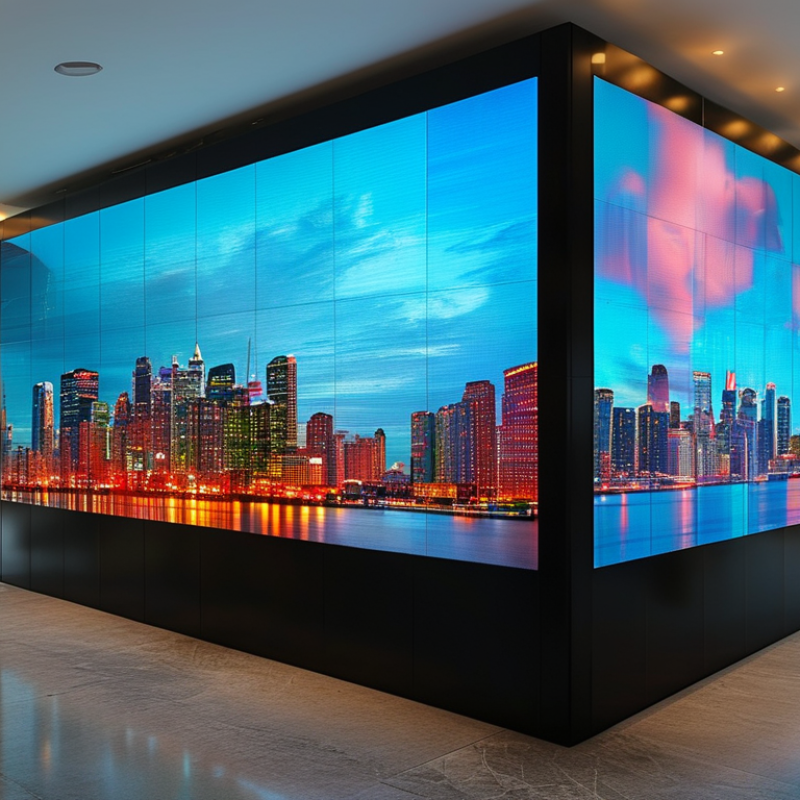
LED wall displays offer several advantages over traditional advertising methods, making them an attractive option for businesses. One major benefit is their vibrant color and brightness. Unlike static posters, LED displays attract attention even in well-lit areas. Their dynamic content can be changed easily, allowing businesses to adapt their message based on real-time needs or seasonal changes.
Another key aspect is cost-effectiveness over time. Initially, LED displays may require a larger investment. However, their durability and low energy consumption lead to significant savings in the long run. Businesses can also save on printing costs associated with traditional advertising materials. Additionally, LED displays often have a longer lifespan compared to printed posters, which can fade and become outdated quickly.
Notably, while LED displays provide many advantages, they are not without flaws. Some businesses may feel overwhelmed by the rapid technology changes. Keeping up with the latest software updates and features can become a challenge. Additionally, if not strategically placed, these displays can become ineffective. Companies must consider their target audience and location carefully. Balancing innovation with practical application is key to maximizing the benefits of LED wall displays.
Key Features of LED Wall Displays Beneficial for Businesses
LED wall displays are becoming essential for businesses. Their bright, vivid colors capture attention and enhance customer engagement. These displays are perfect for advertising and showcasing promotions. The high-definition image quality is constantly improving, making visuals more compelling than ever. Flexibility in size and shape allows businesses to find the perfect fit for their space.
One major feature is their durability. Unlike traditional screens, LED displays can withstand harsh conditions. This is especially useful for outdoor advertising. Moreover, energy efficiency is a significant benefit. Businesses can reduce costs with lower power consumption. Additionally, many LED displays offer easy scheduling and content updates, making management a breeze.
Consider your audience when choosing an LED wall display. Think about the location and brightness needed. Sometimes, it might not be easy to find the right fit. You may need to experiment with angles and positioning to achieve the best visibility. Always gather feedback from customers about their experiences. This can help refine your approach and improve overall effectiveness.
Applications of LED Wall Displays in Various Industries
LED wall displays have become essential tools across various industries, transforming how businesses engage with audiences. Their vibrant colors and high-resolution images capture attention effectively. In retail, for example, LED displays showcase products dynamically, boosting sales and enhancing customer experience. Event organizers use these displays for live updates, enhancing audience participation and event excitement.
In the corporate sector, LED wall displays serve multiple purposes. They are used for presentations, displaying key metrics, and promoting brand identity. The flexibility to change content quickly adapts to different messages or campaigns. Educational institutions also benefit from LED technology, using displays to engage students interactively and facilitate learning.
When considering an LED wall display, reflect on your space. A larger display may overwhelm a small room, while a small screen might get lost in a grand setting. Regular maintenance is crucial; neglect can lead to diminished image quality. Don’t forget to assess the viewing angle. Poor placement can make visuals hard to see for part of your audience.
Cost-Effectiveness and ROI of Implementing LED Wall Displays
LED wall displays present a compelling choice for businesses seeking cost-effectiveness and a solid return on investment (ROI). These displays consume less energy compared to traditional options, which can lead to significant savings over time. The initial investment may seem high, but the durability and longevity of LED technology often surpass other display types, reducing the need for frequent replacements.
Furthermore, LED wall displays can enhance customer engagement. Their vibrant visuals catch attention quickly, which can result in increased foot traffic and sales. Businesses often report higher conversion rates when using LED walls for promotions and advertisements. However, it is important to consider the technical challenges of integrating these displays. Installation may require professional expertise, and ongoing maintenance is essential to keep the visuals crisp.
Evaluating ROI involves looking beyond simple financial returns. Though LED walls can be more expensive upfront, successful usage in marketing campaigns can amplify brand visibility. Continuous evaluation and adjustment of content are necessary to maximize impact. Businesses must remain vigilant about how these tools fit within broader marketing strategies and the overall customer experience. Awareness of these factors can guide a more effective deployment of LED wall displays.
Cost-Effectiveness and ROI of Implementing LED Wall Displays
Future Trends in LED Wall Display Technology for Business Use
LED wall displays are rapidly transforming the way businesses present information and engage with customers. As technology evolves, future trends indicate more dynamic capabilities and enhanced user experience. One notable trend is the integration of artificial intelligence. AI can analyze audience engagement, optimizing content delivery in real time. These smart displays will generate personalized experiences, increasing viewer retention.
Another emerging trend is the utilization of modular designs. This flexibility allows businesses to create custom shapes and sizes to fit unique spaces. As a result, audiences can engage in immersive experiences that traditional displays can’t provide. Enhanced resolution and brightness levels will further improve visual impact, ensuring content stands out in various environments.
When selecting an LED display, consider how seamlessly it integrates with existing systems. Ensure compatibility with current software to avoid unnecessary upgrades. Contemplate the location of the display as well. Outdoor models require higher brightness due to sunlight impact. Reflect on the long-term return on investment; upfront costs can be high, but durability and effectiveness will pay off.