What Is the Best Type of Lighting Accessories to Buy?
Choosing the best type of lighting accessories starts with the room, not the product label. A desk lamp that feels perfect in a showroom may create harsh glare beside a laptop. I have seen this happen during late-night work, when a bright bulb reflected across a glass desk. Small details matter: beam angle, color temperature, dimming range, cable length, and mounting position. These features shape comfort more than fashionable finishes. Reliable guidance should consider practical experience and established lighting principles. For reading, a focused task light usually works well. For living rooms, layered illumination often feels softer and more adaptable. There is no universal winner. That matters.
This guide examines common lighting accessories, including lampshades, diffusers, smart dimmers, extension components, and replacement bulbs. Each option will be judged by purpose, safety, durability, maintenance, and visual comfort. A diffuser may soften shadows, but it can also reduce brightness. A smart control can improve convenience, yet compatibility problems may frustrate users. Check voltage ratings and manufacturer instructions before installation. Qualified electricians should handle fixed wiring. Product certifications can offer useful reassurance, but they do not replace careful setup. I will also consider renters, families, small workspaces, and energy-conscious buyers. My own preferences may influence the discussion, so they deserve examination. The “best” lighting accessories are those that fit the space, support the activity, and remain dependable over time. Good light should feel natural. Not merely impressive.
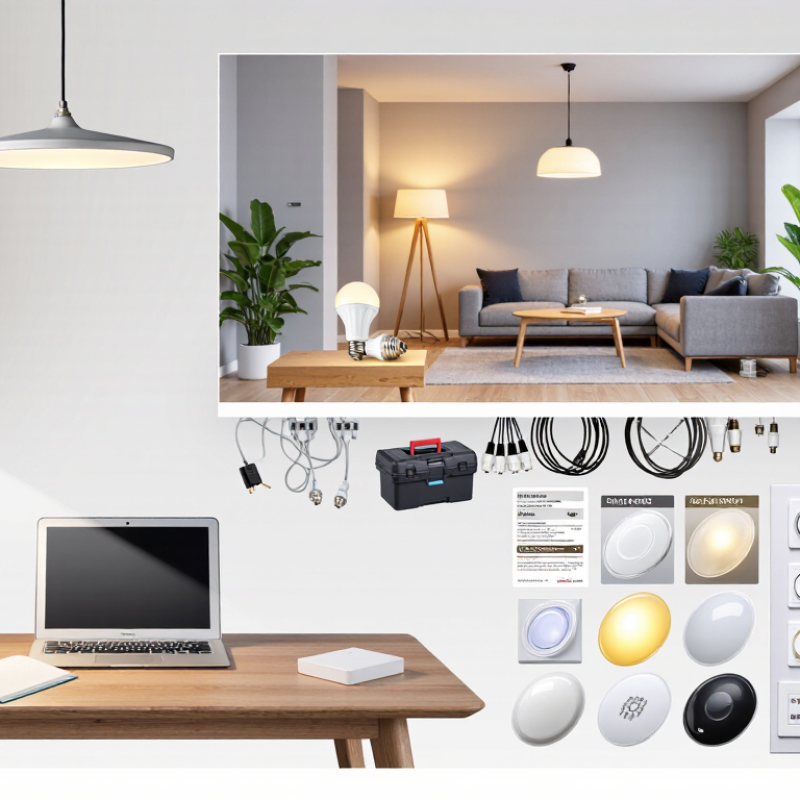
Types of Lighting Accessories and Their Main Functions
What Is the Best Type of Lighting Accessories to Buy?
Types of Lighting Accessories and Their Main Functions
Choosing lighting accessories depends on the fixture, room, and installation surface. The right parts improve safety, comfort, and visual balance. A ceiling canopy hides wiring and creates a cleaner finish. A dimmer switch controls brightness for reading, dining, or relaxing. Use one rated for the lamp’s electrical load. Cable grippers keep pendant lights steady and prevent strain on the wires. Small fittings matter.
Shades control how light spreads across a room. Fabric shades soften glare above a bedside table. Opaque shades direct light downward, while clear diffusers create wider illumination. Reflectors help focus light on worktops, desks, or artwork. Track adapters support adjustable fixtures in flexible layouts. In humid rooms, sealed accessories offer better protection against moisture. Never ignore installation ratings.
Extension rods adjust the height of hanging fixtures. Swivel joints help lights align with sloped ceilings. Wall plates cover mounting points and protect the surface around them. Before buying, measure the ceiling box, screw spacing, and cable length. For fixed wiring, a qualified electrician should check the connection. I once chose a beautiful oversized shade for a narrow hallway. It blocked movement and made the space feel smaller. The fixture looked better in the shop. That mistake changed how I judge proportion, not just appearance.
| Lighting Accessory | Primary Function | How It Improves Lighting | Best For | Key Selection Considerations | Typical Installation or Use |
|---|---|---|---|---|---|
| Light Bulbs and Replacement Lamps | Produce light when installed in a compatible fixture. | Determine brightness, color appearance, energy consumption, and service life. | General room lighting, task lighting, accent lighting, and decorative fixtures. | Check lamp base, voltage, wattage limit, lumen output, color temperature, dimming compatibility, and suitable operating environment. | Installed directly into ceiling fixtures, wall lights, table lamps, floor lamps, and outdoor-rated fixtures. |
| Lamp Shades | Cover and shape the light source while providing visual comfort. | Reduce glare, soften harsh light, and direct light upward, downward, or outward. | Table lamps, floor lamps, pendant lights, bedrooms, living rooms, and hospitality spaces. | Consider shade diameter, height, material, heat resistance, light transmission, and compatibility with the lamp holder. | Attached to a lamp using a harp, fitter, clip, or other fixture-specific mounting system. |
| Diffusers | Distribute light more evenly across a surface or room. | Minimize bright spots, shadows, and direct glare from LED or fluorescent sources. | Ceiling panels, linear fixtures, offices, kitchens, schools, and commercial interiors. | Evaluate optical clarity, light-transmission level, impact resistance, cleaning requirements, and fixture dimensions. | Placed over or integrated into the front of a lighting fixture. |
| Reflectors | Redirect light from the source toward a selected area. | Improves beam control and can increase useful illumination on a target surface. | Downlights, spotlights, work areas, retail displays, and outdoor floodlighting. | Match the reflector to the lamp size, beam angle, fixture design, material, and required light distribution. | Installed inside or around a fixture behind or beside the light source. |
| Lenses | Control the direction, spread, or visual quality of emitted light. | Can create narrow beams, wide beams, elliptical patterns, or softer illumination. | Spotlights, architectural lighting, stage lighting, display lighting, and outdoor fixtures. | Consider beam angle, optical material, heat tolerance, UV exposure, impact resistance, and compatibility with the fixture. | Mounted in front of the light source or inside a dedicated optical housing. |
| Dimmers | Adjust the brightness level of compatible lighting loads. | Supports mood control, task-specific brightness, and potential energy savings when lights are dimmed. | Living rooms, dining areas, bedrooms, theaters, restaurants, and presentation spaces. | Verify load type, minimum and maximum load, dimming method, neutral-wire requirements, and lamp compatibility. | Installed in place of a standard wall switch or integrated into a lighting control system. |
| Motion Sensors | Activate or deactivate lights when movement is detected. | Improves convenience and can reduce unnecessary operating time. | Hallways, bathrooms, garages, storage rooms, entrances, and security lighting. | Check detection range, viewing angle, time-delay settings, ambient-light settings, mounting height, and load compatibility. | Ceiling-mounted, wall-mounted, or built into a fixture or switch. |
| Photocells and Daylight Sensors | Respond to natural light levels or automatically control exterior lighting. | Turns lights on at low light levels and off during daylight, reducing manual operation. | Outdoor entrances, pathways, parking areas, security lights, and daylight-responsive interiors. | Consider sensor orientation, switching threshold, weather resistance, control voltage, and installation location. | Mounted where the sensor can measure ambient light without being affected by the controlled fixture. |
| Timers and Programmable Controls | Operate lighting according to a preset schedule. | Provides predictable control and helps prevent lights from remaining on unnecessarily. | Outdoor lighting, holiday lighting, security systems, offices, and public facilities. | Review scheduling flexibility, power backup, switching capacity, indoor or outdoor rating, and installation requirements. | Installed in a wall box, electrical panel, control cabinet, or connected control system. |
| Lighting Mounts and Brackets | Secure a fixture or accessory to a ceiling, wall, pole, track, or other surface. | Provides stable positioning and helps achieve the intended lighting direction. | Wall lights, floodlights, pendant fixtures, track systems, and outdoor luminaires. | Check load capacity, mounting surface, corrosion resistance, hardware compatibility, adjustment range, and safety requirements. | Fixed with suitable anchors, screws, bolts, or fixture-specific mounting hardware. |
| Pendant Cords, Chains, and Rods | Suspend pendant or hanging fixtures at a selected height. | Allows height adjustment and supports comfortable, effective light distribution. | Dining tables, kitchen islands, high ceilings, entryways, and decorative lighting. | Consider fixture weight, length, ceiling height, electrical rating, finish, and required adjustment range. | Connected between the ceiling outlet or canopy and the hanging fixture. |
| Track Lighting Components | Provide a mounting and power distribution system for adjustable light heads. | Allows multiple fixtures to be positioned and aimed along one track. | Galleries, retail displays, kitchens, offices, and adaptable accent lighting. | Match track type, circuit configuration, connector style, total load, head compatibility, and mounting method. | Installed on ceilings or walls with compatible track sections, connectors, and heads. |
| Extension Cords and Cable Assemblies | Provide temporary or remote power connections for compatible lighting equipment. | Extends placement options when a fixture cannot be positioned close to a fixed outlet. | Portable lamps, temporary displays, event lighting, and approved outdoor applications. | Check conductor size, voltage rating, current capacity, length, grounding, jacket type, and indoor or outdoor suitability. | Used between an approved power outlet and a compatible lighting device; avoid overloading or concealed permanent use. |
| Emergency Lighting Batteries and Backup Units | Supply temporary power when normal electrical service fails. | Maintains essential illumination for evacuation routes and safety areas during outages. | Commercial buildings, public facilities, stairwells, corridors, and exit routes. | Consider rated duration, charging method, battery type, testing requirements, temperature range, and code compliance. | Integrated into emergency fixtures or connected to approved emergency lighting equipment. |
| Outdoor Weatherproof Covers and Gaskets | Help protect lighting connections and fixtures from moisture, dust, and weather exposure. | Reduces the risk of water ingress, corrosion, and premature component failure. | Patios, gardens, exterior walls, pathways, wet locations, and exposed electrical connections. | Verify ingress-protection rating, material durability, temperature range, sealing method, and compatibility with the enclosure. | Installed around fixture housings, junction points, outlet covers, or cable entries as specified by the equipment design. |
Related Posts
-
Top 10 LED Landscape Lights for Your Garden and Outdoor Space?
-
What Are the 2026 Top Types of Grow Lights Globally?
-
Top 10 Led Lighting Solutions for Global Buyers in 2026
-
Exploring LED Spotlights Trends at the 138th Canton Fair 2025 in China
-

How to Choose the Best Industrial LED Lighting Solutions?
-
Discover the Best LED Chandeliers for Modern Spaces?