What Are the 10 Best Outdoor Lights to Buy?

Outdoor lights do more than brighten a path. They help people find the front step, make a patio usable after sunset, and reveal the shape of a garden. The best choice depends on the space, the job, and the conditions each fixture must handle. A motion-sensing wall light may suit a side entrance, while a warm, shielded fixture can make a small seating area feel calmer. Looks matter. So does glare.

Lighting designer Randall Whitehead is often associated with this useful principle: “Lighting is the jewelry of architecture.” The idea is simple: a fixture should complement a home, not compete with it. Still, style alone is not enough. Check the light’s brightness, color temperature, weather resistance, mounting method, and power source. Consider where the beam falls, too. A lamp aimed toward a neighbor’s window can be frustrating, even when the fixture itself looks perfect.

This guide compares ten outdoor lights across practical uses, from welcoming entryways to illuminating garden paths. It considers installation, controls, upkeep, and value, rather than treating one design as right for every home. Small details count. A dark corner, a slick step, or a cable that is hard to reach can change what works in daily use. No list can replace seeing your own space at night; sometimes the first choice needs rethinking. The goal is a dependable shortlist, with clear trade-offs, so you can choose outdoor lights that fit your home and routine.
What Are the 10 Best Outdoor Lights to Buy?

How Outdoor Lights Work: Lumens, Color Temperature, and IP Ratings

Choosing among the 10 best outdoor lights starts with matching brightness to the space. Lumens measure the amount of visible light a fixture produces. For a front path, modest, evenly spaced lights can make steps easier to see without creating harsh glare. A bright security light may suit a driveway, but it can shine into a neighbor’s window. More is not always better. Picture a wet stone walkway: soft pools of light often reveal its edges more comfortably than one glaring beam. Compare lumen output, beam direction, and mounting height together, rather than relying on a single number.

Color temperature, measured in kelvins, describes whether light looks warm or cool. Warm white, around 2700–3000K, can feel welcoming on a porch or patio. Cooler light may help details stand out near a work area, though it can look stark in a garden. IP ratings describe protection against solid particles and water. The first digit relates to solids; the second relates to water exposure. An IP44 fixture resists splashing, while IP65 offers stronger dust and water-jet protection under test conditions. Neither rating means a light can be submerged. It is easy to overvalue the rating and forget placement: a sheltered eave faces different exposure from an open gate. Check the fixture’s instructions and installation requirements before buying.

How to Compare the 10 Best Outdoor Lights by Purpose and Performance

Compare outdoor lights by the job they must do, not by appearance alone. Path lights should mark edges without shining into eyes. Step lights need a low, even beam across each tread. Wall fixtures suit entrances, while floodlights cover wider areas and may need motion sensors. For patios, softer, warmer light usually feels more comfortable. A bright fixture is not automatically a useful one.

Check output, beam direction, colour temperature, weather protection, and control options. The U.S. Department of Energy’s Energy Saver guide says LEDs use at least 75% less energy and can last up to 25 times longer than incandescent lighting. That makes efficient LEDs a practical choice for lights used nightly. Still, poor placement can waste even efficient light. Not always obvious.

For exposed locations, compare ingress protection ratings. IEC 60529 defines IP codes for resistance to dust and water; an IP65 fixture is dust-tight and protected against water jets. Match the rating to the site, not just the product description. Solar lights may suit sunny paths, but shade and short winter days can reduce their runtime. Check stated battery capacity and test performance at dusk. IES guidance also emphasizes controlling glare and directing light where it is needed, so shielded fixtures can improve comfort while limiting spill. Personally, I would compare beam coverage on the ground before choosing by lumen claims alone.

Ten Top Outdoor Light Types, from Pathway LEDs to Security Floodlights

What Are the 10 Best Outdoor Lights to Buy?

Ten Top Outdoor Light Types, from Pathway LEDs to Security Floodlights

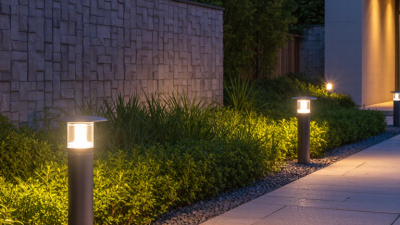
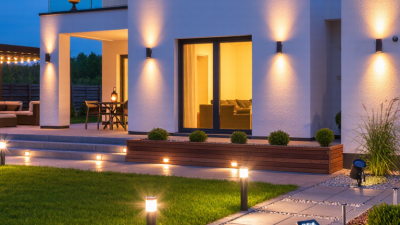
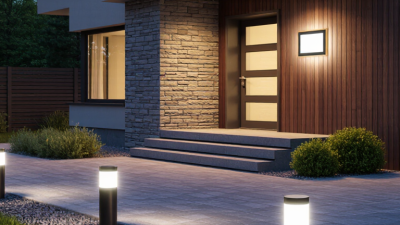
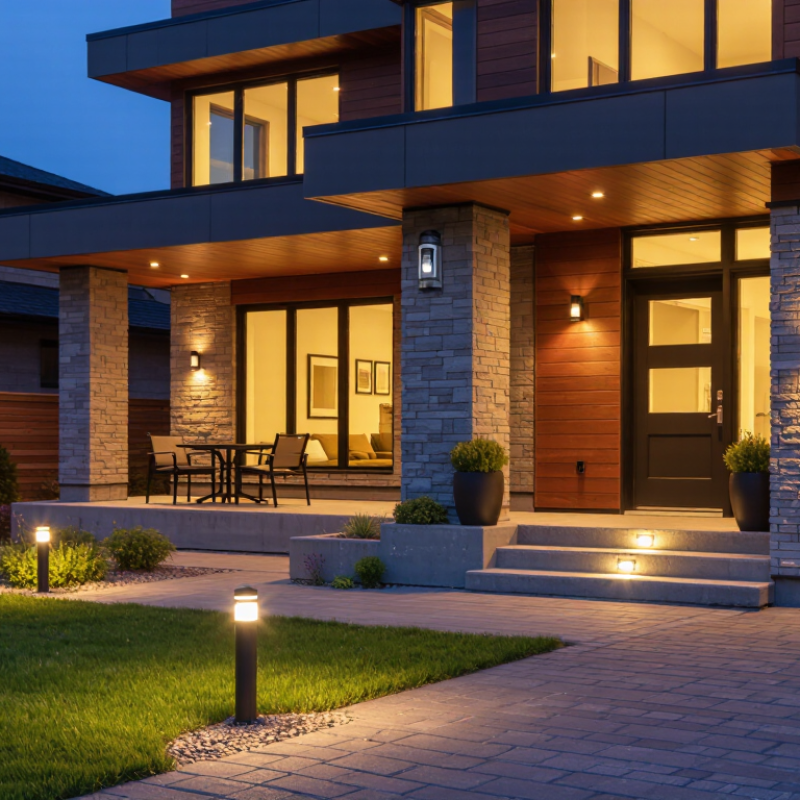
Outdoor lights work best when each fixture has a clear job. Pathway LEDs guide feet along a garden walk, while step lights reduce dark edges on stairs. Post lights add a soft glow near gates. Wall sconces and porch ceiling lights brighten entrances. String lights create a relaxed feel over a patio, though they may not light a work area well. Landscape spotlights pick out trees or stonework. Deck lights mark seating areas without dominating them. Motion-sensor security floodlights cover driveways, and dusk-to-dawn lights turn on automatically after sunset. Ten types, ten different purposes.

Tips: Check that fixtures suit outdoor exposure, and aim beams away from windows and neighbors. Warm light often feels calmer near seating; brighter, wider beams suit paths and driveways. Place motion sensors where people approach, not where branches constantly move. If wiring or mounting feels uncertain, ask a qualified professional.

A layered setup can feel safer and more welcoming than one powerful lamp. Start with the spots you actually use after dark, then add light gradually. It is easy to over-light a small yard. I’d reconsider any fixture that shines straight into your eyes, even if it looks impressive in daylight.

What Are the 10 Best Outdoor Lights to Buy? — Ten Top Outdoor Light Types, from Pathway LEDs to Security Floodlights
Outdoor Light Type Best Use Typical Light Output Common Power Source Typical Color Temperature Weather-Rating Guidance
Pathway lights Mark walkways, garden paths, and driveway edges About 10–100 lumens per light Solar or low-voltage wired Usually 2700–3000 K For exposed locations, look for a suitable outdoor rating such as IP44 or higher
Landscape spotlights Highlight trees, walls, signs, or architectural details About 100–500 lumens per light Low-voltage wired or line-voltage wired Usually 2700–4000 K IP65 is a useful target for fixtures exposed to rain and dust
Security floodlights Illuminate entrances, garages, and larger areas; motion-sensor models can activate when needed About 700–4000 lumens, depending on coverage needs Usually line-voltage wired; some models are solar-powered Often 3000–5000 K Choose a weather-rated fixture; IP65 is common for exposed positions
Wall lanterns and sconces Provide welcoming light beside doors, patios, and porches About 400–1200 lumens per fixture Usually line-voltage wired Usually 2700–3000 K IP44 may suit sheltered areas; consider IP65 for more exposed locations
Step and stair lights Improve visibility on outdoor steps, stairs, and changes in level About 10–100 lumens per light Low-voltage wired or line-voltage wired Usually 2700–3000 K Select a rating appropriate to the location; IP65 is useful where rain can reach the fixture
Outdoor string lights Create ambient lighting over patios, decks, and outdoor dining areas Often about 10–100 lumens per bulb Plug-in or solar-powered Commonly 2200–3000 K Check the product’s outdoor-use rating and follow its installation instructions
Bollard lights Light paths and shared outdoor spaces with a taller, downward-directed fixture About 100–500 lumens per light Low-voltage wired or line-voltage wired Usually 2700–4000 K Choose a rating suited to exposure; IP65 is a practical option for many open areas
Deck and post-cap lights Add low-level light to deck railings, posts, and seating areas About 10–100 lumens per light Solar, battery-powered, or low-voltage wired Usually 2700–3000 K Look for an outdoor rating appropriate to the deck’s exposure to rain
In-ground well lights Uplight trees, façades, or landscape features from ground level About 100–500 lumens per light Low-voltage wired or line-voltage wired Usually 2700–4000 K For fixtures set into the ground, look for a purpose-built design and a rating such as IP67
Solar garden lights Offer easy-to-install accent lighting in sunny garden locations Often about 5–100 lumens per light; output varies with design and charging conditions Solar panel and rechargeable battery Commonly 2700–4000 K Check the stated weather rating; performance depends on sunlight and battery condition
Note: Light-output figures are typical approximate ranges, not guaranteed specifications. Actual output, color temperature, and weather resistance vary by fixture. IP ratings describe ingress protection; choose a rating suited to the installation location and follow local electrical requirements.

Why Choose LEDs: DOE Reports at Least 75% Less Energy Use Than Incandescent Bulbs

When comparing ten outdoor-light styles—path lights, wall fixtures, floodlights, step lights, and more—start with the bulb, not just the housing. LEDs use far less electricity than incandescent bulbs. That matters when a porch light stays on until morning. Small detail, big difference.

The U.S. Department of Energy reports that LEDs use at least 75% less energy and can last up to 25 times longer than incandescent lighting. For a simple comparison, replacing a 60-watt incandescent bulb with a roughly 9-watt LED saves about 93 kilowatt-hours over five hours of daily use for a year. Actual savings vary with usage and local electricity rates. ENERGY STAR guidance also emphasizes checking light output and color appearance, not wattage alone. A bright bulb can still feel harsh.

For outdoor fixtures, match the beam to the task: broad light for an entry, narrower light for steps or a garden feature. Motion sensors and timers can reduce unnecessary operating hours. Check that the fixture is rated for outdoor conditions, and aim security lights downward to limit glare. Warm-toned light often feels calmer near a doorway. I would not choose by energy use alone; a poorly aimed LED can waste light, too.

How to Install Outdoor Lights Safely for Weather, Visibility, and Efficiency

Outdoor lights work best when they improve visibility without creating glare. Before installing any fixture, switch off the circuit at the breaker and confirm the wires are dead with a voltage tester. Choose fixtures marked for wet locations where rain can reach them; covered porches may need damp-location fixtures instead. Seal mounting points as directed, and keep connections inside weather-rated boxes. If wiring is damaged or unclear, stop and call a qualified electrician. A small mistake can become a real hazard.

Aim lights at steps, paths, and entrances, not toward neighbors’ windows or drivers’ eyes. The International Dark-Sky Association’s lighting guidance recommends useful, targeted, controlled light. Motion sensors and timers can reduce unnecessary nighttime use. For efficiency, the U.S. Department of Energy says LEDs use at least 75% less energy and can last up to 25 times longer than incandescent lighting. Still, a bright lamp is not always a safer lamp; glare can hide the edge of a step.

Tips: Test the sensor after dark, then adjust its angle and range. Keep ladders on firm, level ground. Check seals and fasteners after the first heavy rain. I have found that aiming takes patience; the first setting may light the fence more than the walkway.

has been added to your cart.
Checkout