2026 Best LED Spotlights for Global Buyers?

The 2026 search for the best led spotlights is not simply a contest in brightness. A narrow beam can make a framed painting glow, while the same beam may create harsh glare above a kitchen island. The right choice depends on the room, installation, and local power supply. For global buyers, voltage compatibility, dimming method, and product certification deserve close attention. Details vary by market, so check the manufacturer’s documentation before ordering.

Light affects more than what we see. Photobiology researcher Dr. George C. Brainard has described light as “a drug,” underscoring its influence on people. For practical spotlight comparisons, buyers should also examine beam angle, color temperature, color rendering, lumen output, and heat management. A high lumen figure alone does not promise comfortable, accurate light. Not quite. A sample tested on a showroom wall may look different in a home with dark paint or glossy surfaces.

This guide will compare led spotlights for residential, retail, and commercial use, with attention to performance, durability, and value. It will also explain which specifications matter most, and which claims deserve a second look. No single model fits every project. That is an inconvenient truth, but a useful one. A dependable shortlist starts with the space, then matches the fitting to its real conditions.
2026 Best LED Spotlights for Global Buyers?

What LED Spotlights Are and How They Produce Focused Light

An LED spotlight creates a focused beam by directing light through a lens, reflector, or both. Inside, a semiconductor chip produces light when electric current passes through it. The optic shapes that output into a narrower or wider beam. A 24-degree beam, for example, can highlight a framed picture, while a wider beam spreads across a kitchen counter.

Focus matters.

Lumens describe total light output; beam angle describes its spread. Candela helps indicate intensity in a particular direction. These measures answer different questions, and comparing wattage alone can mislead.

The U.S. Department of Energy’s Energy Saver guidance says LEDs use at least 75% less energy and last up to 25 times longer than incandescent lighting. Those are broad LED comparisons, not a guarantee for every spotlight. Check the product’s beam angle, lumen output, color temperature, and dimmer compatibility for the actual fixture.

DOE’s 2022 U.S. Lighting Market Characterization also shows how widely LED technology has entered installed lighting, but adoption alone does not tell buyers whether a beam suits a specific room. Specifications can still feel incomplete.

A beam may look crisp on paper yet create glare on a glossy surface. Test placement and viewing angle when possible.

Key Specifications That Define Spotlight Performance in 2026

2026 Best LED Spotlights for Global Buyers?

Key Specifications That Define Spotlight Performance in 2026

A spotlight’s performance starts with useful light, not a large wattage claim. Compare delivered lumens with input watts to assess fixture efficacy. Beam angle matters just as much: a narrow beam can highlight a shelf, while a wider beam spreads light across a counter. Check candela or an intensity distribution chart when aiming accuracy matters.

Numbers need context.

The U.S. Department of Energy’s 2022 Solid-State Lighting R&D Opportunities report describes LED package efficacy above 200 lumens per watt in leading products. That is a package figure, not a finished spotlight rating. Optics, drivers, and heat reduce system output.

Color quality deserves equal attention. Check CRI, and consider IES TM-30 metrics for a fuller view of color rendering. Choose correlated color temperature for the space; warm light often suits hospitality areas, while neutral white can help reveal detail in work zones.

Heat matters, too. A compact spotlight with poor thermal management may lose output over time. Review flicker data and dimming compatibility, since a fixture can look excellent on paper yet behave poorly with the installed control system.

I would still test a sample in the actual ceiling. Specifications rarely show every installation compromise.

LED Spotlight Types and Their Common Applications

LED Spotlight Types and Their Common Applications

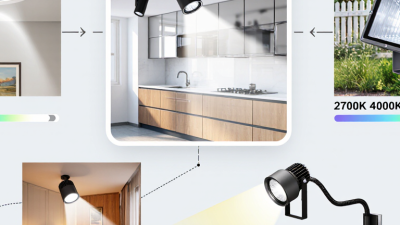
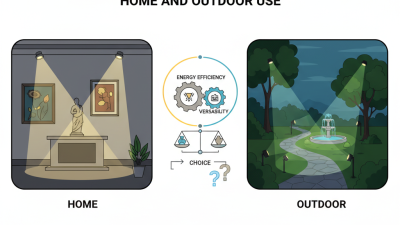
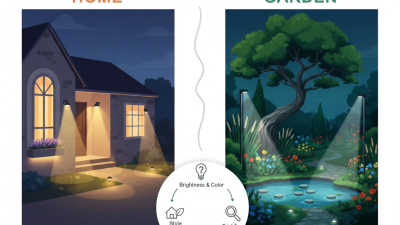
LED spotlights differ by mounting style, beam shape, and protection from dust or moisture. Recessed downlights create focused pools on kitchen counters, retail displays, and hotel corridors. Adjustable gimbal spotlights tilt toward paintings or shelving, helping reduce wasted light. Track spotlights suit galleries and shops where layouts change. Outdoor spotlights can highlight trees, signs, or building entrances; check their weather-resistance rating before installation.

Beam angle matters. A narrow beam emphasizes one object, but may create harsh shadows on nearby walls. Wider beams spread light across seating areas or work surfaces. For accurate color, compare color-rendering information, especially when lighting food, fabrics, or artwork. The U.S. Department of Energy’s LED Lighting guidance reports that residential LEDs use at least 75% less energy and can last up to 25 times longer than incandescent lighting. Actual savings depend on usage and product quality.

Tips: Match the beam to the task, then test it at night. Measure the ceiling height and target area before choosing a narrow or wide beam. For adjustable fixtures, aim the light away from eye level.

One detail is easy to miss: a powerful spotlight can still make a room feel uncomfortable.

How Global Buyers Can Compare Models for Different Projects

Global buyers should compare LED spotlights against the job they must do, not just the wattage printed on a specification sheet. For a warehouse aisle, a narrow beam may reach tall shelves, while a wider beam can reduce dark gaps in a small retail display. Check lumen output, beam angle, and color temperature together. Details matter.

For product inspections or galleries, color rendering can matter as much as brightness. Compare the stated CRI and request photometric files when available; these help planners assess light distribution before installation. Also check operating voltage, dimming compatibility, housing material, and ingress protection against the project environment. A damp loading area needs different protection from a dry showroom. Ask suppliers for test reports and sample units, then evaluate them under the intended mounting height and surface conditions.

A comparison table helps, but it can make unlike models look more equal than they are. A higher lumen figure does not automatically mean better visibility, especially if glare is uncomfortable. Review warranty terms, spare-part availability, and delivery schedules for each destination. Small omissions can delay a project. I would also record assumptions, such as ceiling height and expected operating hours; buyers sometimes overlook these, and that can lead to a poor match.

2026 Best LED Spotlights for Global Buyers: Compare Beam Angles by Project

Typical beam-angle examples for comparing spotlight optics across common applications.

Narrow beams concentrate light for accents, while wider beams cover broader areas. These representative angles are starting points, not universal specifications; confirm the required illuminance, mounting height, spacing, and fixture photometric data for each project.

Safety Standards, Sourcing, and Long-Term Maintenance Considerations

For global buyers, a spotlight’s safety file matters as much as its beam angle. Ask for model-specific test reports against the relevant parts of IEC 60598, plus photobiological safety information under IEC 62471. Confirm that electrical, ingress-protection, and conformity documents match the exact fixture and driver being purchased. Requirements vary by destination market. Paperwork is not performance.

Efficiency claims deserve careful reading. The IEA’s Energy Efficiency 2023 report puts lighting at about 15% of global electricity use. The U.S. Department of Energy’s 2019 forecast estimated that LED adoption could save roughly 569 terawatt-hours annually by 2035 in the United States. These figures describe broad potential, not the savings of one spotlight. Compare delivered lumens, beam spread, color consistency, and measured power—not efficacy claims alone.

Long-term cost often hides in the driver, seals, and replacement parts. Request lumen-maintenance data, warranty exclusions, and confirmation that compatible drivers remain available. Check how dust and heat affect the rated service life; a hot, enclosed ceiling can shorten it. Small details matter. I would still treat lifetime figures cautiously, because test conditions rarely match every installation. A spare driver and clear maintenance instructions can prevent a small failure from becoming a full fixture replacement.

2026 Best LED Spotlights for Global Buyers? Safety Standards, Sourcing, and Long-Term Maintenance Considerations

Spotlight Type Best-Fit Application Key Selection Criteria Safety and Compliance Checks Sourcing Questions for Buyers Long-Term Maintenance Considerations
Fixed recessed spotlight Homes, hotels, and indoor retail ceilings Confirm cut-out size, ceiling depth, beam angle, dimming compatibility, and whether the driver is replaceable. Select color temperature and color-rendering performance to suit the space. Check the applicable luminaire requirements, including IEC 60598-1 and, where relevant, IEC 60598-2-2 for recessed luminaires. Confirm that insulation-contact and fire-cover instructions match the installation. Request dimensioned drawings, driver details, photometric data, installation instructions, and destination-market conformity documents. Verify that dimmers and control systems have been tested with the supplied driver. Allow access to the driver where practical. Keep ventilation clear, clean the trim and lens with suitable materials, and replace failed components only with compatible parts.
Adjustable recessed spotlight Accent lighting in galleries, shops, and residential interiors Compare tilt and rotation range, glare control, beam distribution, and aiming stability. Check that adjustment does not cause the product to exceed its permitted temperature limits. Check IEC 60598-1 and the relevant luminaire-part requirements for the design. Review photobiological safety information under IEC 62471 where applicable, especially for high-intensity sources and close viewing. Ask for photometric files such as IES or LDT data, aiming and installation limits, product-change notification procedures, and samples from the production configuration. Inspect aiming mechanisms and retain the specified cleaning and replacement instructions. Recheck aiming after ceiling or display work.
Track spotlight Flexible retail, hospitality, and exhibition lighting Match the luminaire to the track system and electrical rating; track systems are not automatically interchangeable. Compare glare control, beam options, and driver replacement arrangements. Check the applicable IEC 60598 requirements and the track-system instructions. For North American sales, confirm the required listing and compatibility for the exact track and luminaire combination. Obtain written confirmation of track compatibility, circuit limits, connector type, dimming protocol, and spare-part availability. Request samples or test evidence for the complete combination. Isolate power before moving or servicing heads. Clean track contacts and fittings only as instructed, and replace damaged connectors or heads with compatible components.
Outdoor ground or landscape spotlight Gardens, paths, façades, and outdoor display areas Specify the actual exposure conditions, including rain, dust, soil contact, UV exposure, and risk of impact. Choose the optical distribution and mounting method for the target area. Use the IP code under IEC 60529 as an enclosure-protection rating, not as proof of suitability for every outdoor condition. Check applicable luminaire safety requirements, earthing or Class III details, and installation instructions. Request the IP test evidence for the complete assembled product, cable-entry details, permitted installation orientation, material specifications, and any required external power supply. Inspect seals, cable entries, lens condition, mounting stability, and drainage at intervals suited to the site. Replace damaged seals and follow the maker’s instructions after opening the enclosure.
Outdoor floodlight or façade spotlight Building exteriors, yards, and broad-area accent lighting Compare beam shape, glare control, mounting adjustment, surge protection, and thermal design. Select output and aiming to suit the area rather than relying on wattage alone. Check IEC 60598-1 and IEC 60598-2-5 where the product falls within the floodlight scope. Verify the stated IP rating and local electrical and installation requirements. Request photometric files, surge-protection specifications, driver data, corrosion-related material information, and documentation for the intended sales market. Keep lenses and heat-dissipation surfaces clean, inspect fixings and seals, and check for water ingress or corrosion. Schedule inspection based on exposure and operating conditions.
Low-voltage spotlight with separate driver Display cases, gardens, and installations requiring remote power supplies Confirm system voltage, polarity, cable length limits, connector type, driver capacity, and compatibility between the driver and LED load. Check luminaire and controlgear requirements relevant to the product and destination market. Verify that the driver’s electrical ratings and installation conditions match the complete system. Ask suppliers to identify the exact driver model, provide wiring diagrams, and confirm approved replacement drivers and cable specifications. Keep the driver accessible and dry where required. Label system voltage and polarity, and replace the driver only with a compatible, correctly rated unit.

Buyer note: Standards and approval routes depend on the product design and destination market. Request current test reports, declarations, markings, and installation instructions for the exact model being purchased. A CE marking is the manufacturer’s declaration of conformity with applicable EU requirements; it is not, by itself, a third-party product certificate. Lifetime figures such as L70 describe lumen-maintenance performance under stated conditions and should not be treated as a guaranteed service life or warranty period.

has been added to your cart.
Checkout