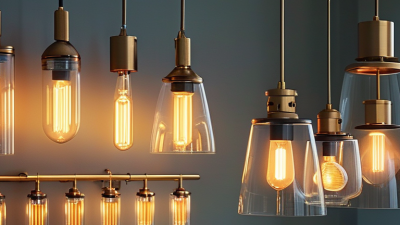
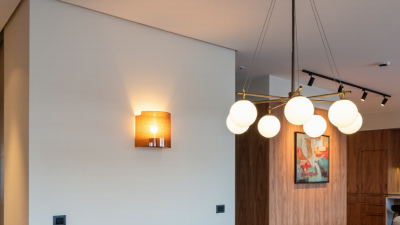
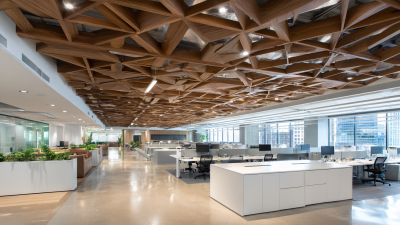
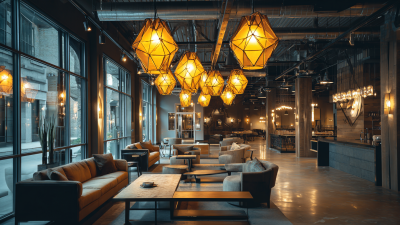
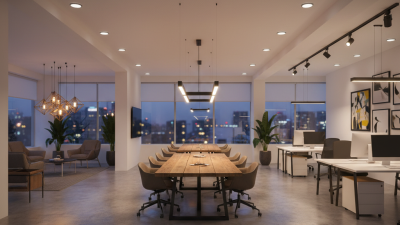
Choosing lighting fixtures in 2026 means balancing visual comfort, practical performance, and the character of each room. “Lighting is the jewelry of the home,” a phrase often associated with lighting designer Randall Whitehead, captures one important idea: a fixture can shape a space, not merely brighten it. But appearance is only part of the decision.
A useful plan starts with what people do in the room. A kitchen may need clear task lighting over counters, softer ambient light, and focused illumination above an island. In a bedroom, dimmable bedside fixtures can make late reading gentler on the eyes. Check the fixture’s light output, color rendering, and color temperature, then confirm that its dimmer and bulbs are compatible. Small details matter. A beautiful pendant can still create glare or leave a work surface in shadow.
LED options offer long service life and flexible color choices, though product quality varies. Look for clear specifications and a warranty, and consider how a fixture will be cleaned, installed, and used every day. Smart controls may add convenience, but they are not essential for every household. There is no perfect formula. A warm bulb that feels inviting at night may seem too dim during daytime work. Before committing, compare samples in the actual room and notice how the light changes across the day. That extra check can prevent an expensive, very visible regret.
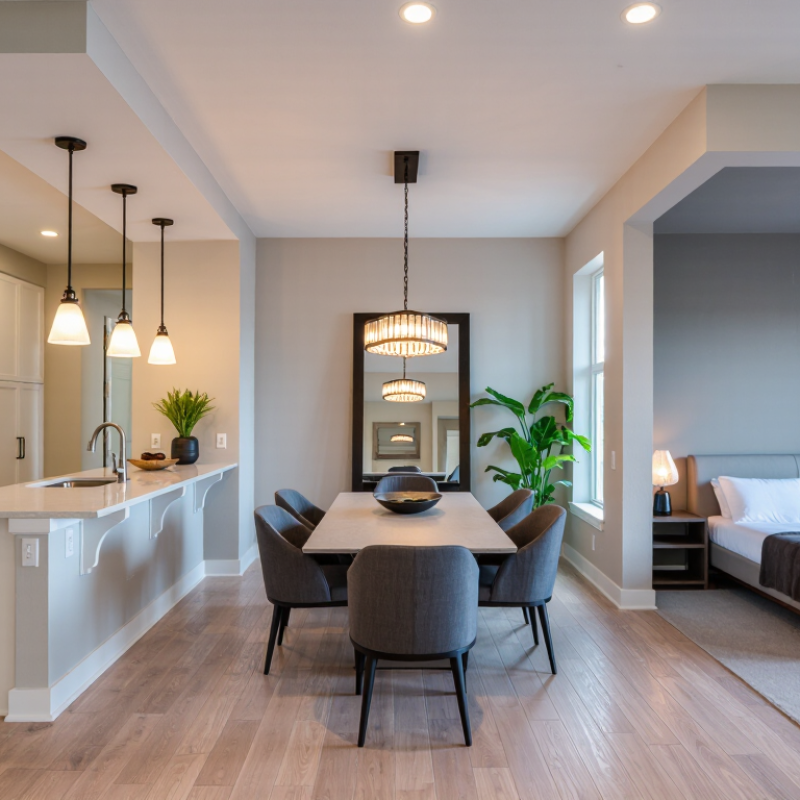
A useful lighting plan starts with what the room needs you to do. In a kitchen, you may chop vegetables, read a recipe, and share a meal in the same hour. A bedroom needs softer light for winding down, plus enough brightness to find clothes. Write down the room’s main activities before choosing fixtures. Small detail, big difference. A beautiful pendant can still leave a work surface in shadow.
Next, study the layout and the light already present. Note window direction, ceiling height, dark corners, mirrors, and large furniture that blocks daylight. Watch the room in the morning and again after sunset; its character can change more than expected. A north-facing room may feel cool, while pale walls can bounce light farther than dark ones. Existing ceiling lights may cover the center but miss a desk or reading chair. Measure those gaps rather than guessing.
Build layers around the gaps. Use general light for moving safely, focused light for tasks, and softer accents where you want depth. In a narrow hallway, a low-glare fixture can feel more comfortable than a bright point aimed at eye level. If possible, test bulbs or temporary lamps before installing several fixtures. Test it at night. I once assumed a corner needed more brightness, then realized a nearby lamp was simply aimed at the wall. The room still felt uneven, and that was a useful reminder to reassess before adding more light.
How to Choose Lighting Fixtures in 2026?
Choose Fixture Types and Light Quality for Each Space
Choose fixtures by what each room needs, not by appearance alone. In a kitchen, combine a broad ceiling light with focused pendants or under-cabinet lighting. Aim task light at counters, reducing shadows from your body while you work. For living rooms, use a mix of floor lamps, wall lights, and dimmable ceiling fixtures. One bright overhead light can feel harsh. Bedrooms usually benefit from warm, lower-level light near the bed, with a brighter option for dressing. In bathrooms, place suitable fixtures near the mirror to reduce facial shadows, and check their safety rating for the intended location.
Tips: Compare light quality before choosing a fixture. A color temperature around 2700–3000 K often feels warm in living spaces, while neutral white can help with detailed tasks. Look for a high color-rendering index when accurate colors matter, such as beside a mirror or over a work surface. Dimmers add flexibility, but confirm that the bulbs and controls work together.
Measure the room and note ceiling height before buying. A pendant that looks balanced in a showroom may hang too low over a small dining table. I’ve found that plans can miss how light changes across a room; test a bulb or temporary lamp in the actual space when possible. Check glare from seated eye level, too. A small adjustment can matter.
Choosing lighting fixtures starts with the room, not the catalogue. Measure the space and note ceiling height, furniture positions, and daily activities. A dining pendant should illuminate the tabletop without blocking sightlines; hang it roughly 30–36 inches above a standard-height table, then adjust for your ceiling and fixture size. For a quick scale check, add the room’s length and width in feet. That number, in inches, can suggest a starting diameter for a central fixture. It is only a guideline, not a rule.
Tips: Tape a paper outline of the fixture to the ceiling before buying. Check door swings, cabinet openings, and where people walk. For bedside reading, place the light where the page is bright but the bulb stays out of your eyes. Small change. Still useful.
Layer light at different heights. Combine ambient light for general visibility, task lighting for focused work, and softer accent light to bring out a textured wall or shelf. A kitchen may need even ceiling light, under-cabinet strips, and a pendant over an island. Use compatible dimmers where possible, and check bulb color temperature before mixing sources; otherwise, one corner can look oddly blue beside a warm lamp. I would not aim for perfect symmetry in every room. A fixture that looks balanced on paper may feel awkward once chairs and people are in place. Test the placement at night, then adjust.
Start with the light source, not the app.
The U.S. Department of Energy reports that LEDs use at least 75% less energy and last up to 25 times longer than incandescent lighting. That matters in a hallway where lights stay on for hours, or above a kitchen counter where color and brightness affect daily tasks. Compare lumens, color temperature, and dimming compatibility—not just wattage. A low-energy fixture that flickers with your dimmer is still a poor choice.
Controls can deliver additional savings, but only when they suit the room.
A Lawrence Berkeley National Laboratory meta-analysis found average savings of 24% with occupancy sensors and 28% with daylighting controls in commercial buildings; actual results vary by space and use. Motion sensing fits a pantry or laundry room. Near a desk, manual dimming may feel less intrusive.
Smart schedules, app control, and occupancy detection can add convenience, but they also bring setup and maintenance. Small details matter. Check whether controls work locally if Wi-Fi drops, and whether guests can operate the lights without an app.
I still think smart features are easy to overvalue; a reliable wall switch often wins at 2 a.m.
Check safety before style. Look for a recognized safety certification, and match the fixture’s rating to its location. A bathroom ceiling light may need a damp-location rating; a shower fixture may need a wet-location rating. Check the electrical box, mounting method, and clearance from insulation.
Compatibility matters too. Confirm the bulb base, voltage, and dimmer type before buying. A dimmer that does not work with an LED can cause flickering or buzzing. Small details, big frustration.
Then consider how the light will feel in the room. A warm color temperature can soften a bedroom, while a brighter, cooler tone may suit a work area. Measure the ceiling and table before choosing a fixture; a wide shade can overwhelm a narrow hallway.
There is no single perfect style.
I once underestimated how much a clear glass shade would show the bulb. I would check that again.
Budget for more than the purchase price. The U.S. Department of Energy says residential LEDs use at least 75% less energy and last up to 25 times longer than incandescent bulbs. The International Energy Agency estimates lighting accounts for about 15% of global electricity use.
Compare expected energy use, bulb replacement, and installation costs. A lower-priced fixture can become expensive if it needs frequent replacements or an electrician to correct a mismatch. Check the numbers.