Best LED High Bay Lights in 2026 for Warehouses
Choosing the best LED high bay lights in 2026 takes more than comparing wattage or price. A warehouse aisle, loading bay, and packing area each place different demands on a fixture. Ceiling height, rack layout, dust, and operating hours all affect the result. Small details matter.
This guide looks at led high bay lights through practical criteria: light output, efficiency, beam angle, color quality, durability, and installation needs. A narrow beam may suit tall, tightly spaced racks, while a wider distribution can help cover open work zones. Check the fixture’s photometric data and rated performance rather than relying on a product headline alone. Compare warranty terms, replaceable components, and compatibility with controls such as occupancy sensors. These details can shape long-term costs.
There is no single best fixture for every warehouse. A model that performs well in a clean distribution center may be a poor fit for a humid or dusty space. I would also treat advertised energy savings as estimates, not promises; actual results depend on existing lighting, controls, and use patterns. That deserves a second look. The sections ahead explain what to compare, which features matter for common warehouse layouts, and how to narrow a shortlist without overlooking maintenance or installation constraints. A careful selection can improve visibility across work surfaces and aisles, but good lighting design still depends on the building itself.
Understanding LED High Bay Lights and Their Role in Warehouses
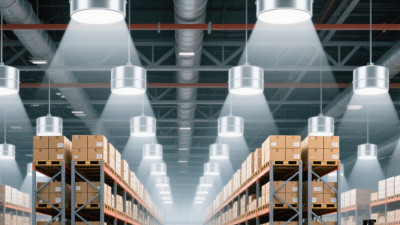
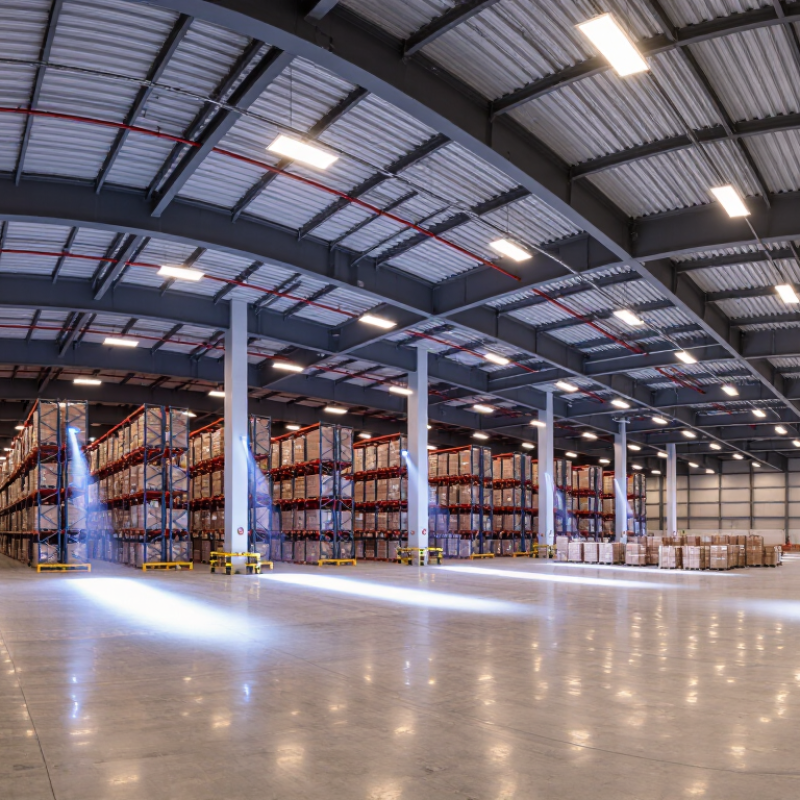
LED high bay lights are designed for ceilings commonly found in warehouses, where ordinary low-mounted fixtures may leave wide gaps or create uneven illumination. Their optics direct light across work areas from above, helping illuminate aisles, loading zones, and storage racks. The fixture’s output matters, but so does its beam distribution. More lumens alone do not guarantee a useful result. That difference matters.
In a warehouse, lighting affects how clearly workers can read labels, spot obstacles, and handle goods. Tall shelving can cast shadows, especially in narrow aisles. A well-planned layout considers mounting height, aisle width, rack placement, and the tasks performed below. It also checks light levels at the working surface, not just on the floor. Small details count. Glare can be tiring, while poor spacing can leave dark patches between fixtures.
When evaluating high bays, compare light distribution, efficiency, color quality, and compatibility with dimming or occupancy controls. Check whether the fixture is suited to the site’s temperature, dust, or moisture conditions. A lighting plan based only on room area is a useful starting point, but it can miss rack shadows and changing layouts. I may be giving those details extra weight; still, they often shape whether a warehouse feels consistently lit or merely bright overhead.
Key Performance Factors for Comparing Warehouse High Bay Lights
Best LED High Bay Lights in 2026 for Warehouses
Compare warehouse high bays by delivered light, not wattage alone. Check luminaire efficacy in lumens per watt, tested light output, beam distribution, and glare. A narrow aisle needs light directed onto racks and floor, while an open loading area may need broader coverage. Review an LM-79 photometric report and confirm the layout against the task’s illuminance needs. DOE’s 2020 U.S. Lighting Market Characterization estimated LEDs made up about 47% of installed U.S. lighting stock. That adoption figure is not a quality score; products still vary widely.
Also compare rated lifetime, lumen maintenance, driver warranty, color rendering, and controls compatibility. In a dusty, warm ceiling space, heat management and access for maintenance matter. Ask for the operating-temperature range and documented lumen-maintenance data, rather than relying on a lifetime claim alone. IES guidance stresses matching lighting levels to work tasks, so verify the design on site. Numbers need context. A polished specification sheet cannot reveal every shadow between tall racks.
Tips: Map aisle heights and rack positions before choosing optics. Compare tested photometric files, then check for dark patches with a temporary installation. Review sensor settings too; poorly placed sensors can leave work areas dim or keep lights on unnecessarily.
Common LED High Bay Designs and Where Each Works Best
UFO high bays use a compact, round housing and usually spread light across open floor areas. They suit loading zones, workshops, and warehouses with few tall racks. Their broad distribution can help limit dark patches between fixtures, but spacing still matters. Aisle layouts may need a different approach.
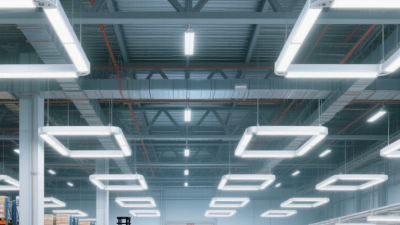
Linear high bays fit long, narrow aisles more naturally. Their rectangular shape can direct light along rack rows, helping workers read labels and spot products. For taller storage, narrow-beam optics may focus more light down the aisle. Check the fixture’s distribution data, mounting height, and rack arrangement before choosing; a bright-looking sample does not reveal every shadow.
Ceiling height and work tasks should guide the final selection. Lower ceilings often benefit from wider distributions and carefully controlled output, while high ceilings may call for stronger optics. Glare matters near glossy packaging or elevated work platforms. Small details count. Measure the space, note aisle widths, and compare a lighting layout with the actual floor plan. Even a neat chart can miss a beam blocked by a sign or conveyor. That is an easy oversight, and worth checking on site.
How to Choose the Best LED High Bay Lights in 2026
Choosing the best LED high bay lights starts with the warehouse, not the fixture catalog.
Measure mounting height, aisle width, shelf height, and existing light levels. A 9-meter ceiling needs a different beam spread than a 5-meter ceiling. Request photometric files and check whether light reaches aisle floors and work surfaces evenly. Bright spots can cause glare, while dark gaps make labels harder to read. Measure twice.
Compare delivered lumens and efficacy, but do not choose by wattage alone. Check color rendering if staff inspect product labels or distinguish similar materials. A neutral white color temperature often suits general storage, though task areas may need a different setting. Consider dimming and occupancy controls where traffic varies. They can reduce energy use, but only when sensor placement matches real movement.
Dust, moisture, and temperature also matter. Match the fixture’s environmental rating to the actual conditions, especially near loading doors or washdown areas. Confirm the warranty terms, driver replacement process, and expected operating hours in writing. A lighting calculation is useful, but it can miss racks added later. Walk the aisles after installation, note shadows on lower shelves, and adjust aiming or spacing where needed. Have a qualified professional verify electrical compatibility and applicable safety requirements.
Installation, Controls, and Maintenance for Warehouse Lighting
For warehouse lighting in 2026, a high-bay fixture is only as effective as its placement. Check mounting height, aisle direction, racking, and the work performed below. A narrow beam can brighten a tall aisle but leave shadows on lower shelves. Use a lift to verify aiming and glare from the operator’s viewpoint.
IES Recommended Practice RP-7-21 provides guidance for lighting industrial facilities; use its task-based approach rather than choosing fixtures by wattage alone.
Controls need commissioning, not just installation. Divide fixtures into practical zones, then set occupancy sensors to account for slow-moving work and forklift traffic. Daylight sensors near skylights should dim gradually, not leave workers in sudden darkness.
The U.S. Department of Energy’s Energy Saver guidance reports that LEDs use at least 75% less energy than incandescent lighting and can last up to 25 times longer.
That comparison is not a high-bay fixture guarantee, so measure actual circuit use and operating hours. Small details matter.
Add maintenance to the site schedule. Record initial light levels, clean lenses, inspect sensors, and replace damaged fittings promptly.
Dust still wins.
A handheld meter can help identify dim aisles before workers report them. One imperfect habit is relying on memory; keep a simple log with dates, readings, and repairs. Recheck after rack changes, since a new shelf layout can block light even when every fixture still works.