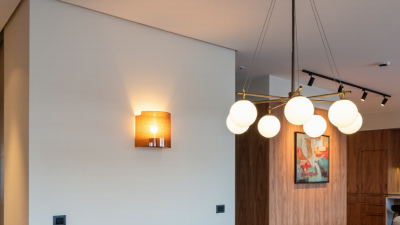
Choosing the top lighting fixtures for 2026 is not just a matter of style. It means balancing visual comfort, energy use, flexibility, and the character of a room. The International Energy Agency reports that lighting accounts for about 15% of global electricity consumption and 5% of global greenhouse gas emissions. That makes efficiency more than a selling point. The U.S. Department of Energy’s Energy Saver guidance says LED bulbs can use up to 90% less energy than traditional incandescent bulbs and last up to 25 times longer. Yet a fixture’s real value also depends on where its light lands: a focused pendant over a kitchen island feels different from a bright downlight reflected across a glossy counter.
For a useful perspective, pioneering lighting designer Richard Kelly is often quoted as saying, “Lighting is the magic ingredient that makes or breaks a space.” That idea still holds as connected controls, slim profile fixtures, and warmer, adjustable light gain attention. But specifications deserve a close look. Dimming compatibility, color rendering, glare control, and replacement parts can matter more than a dramatic product photo. Small details count. A well-placed wall light can soften a narrow hallway; a poorly aimed one can expose every uneven patch of paint. This guide examines the lighting fixtures worth considering for 2026, using practical design criteria and published energy guidance rather than trend claims alone. Some choices will remain personal, and that is worth admitting: no fixture makes every room feel right.
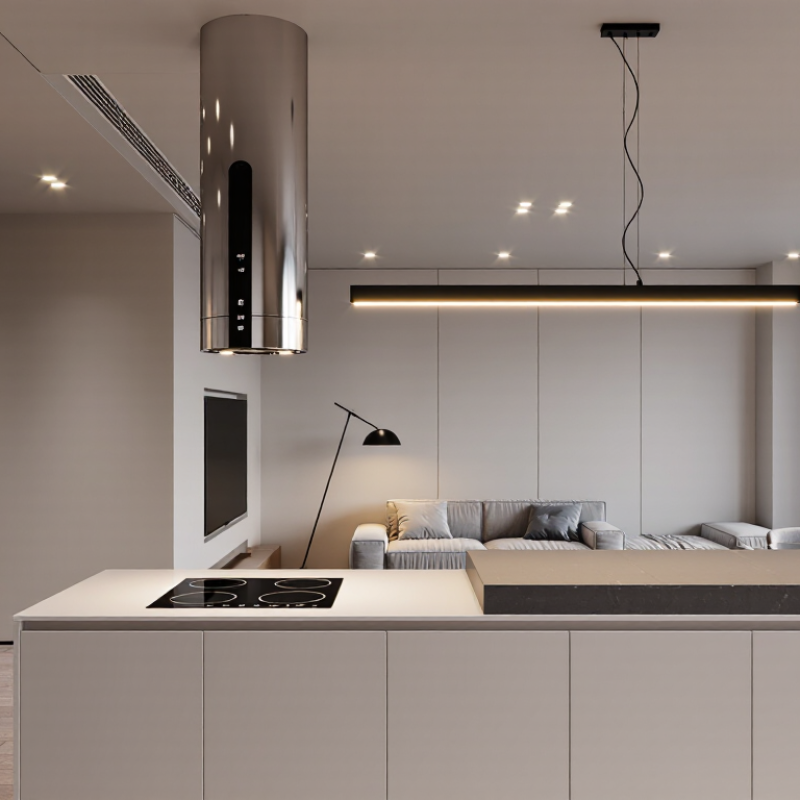
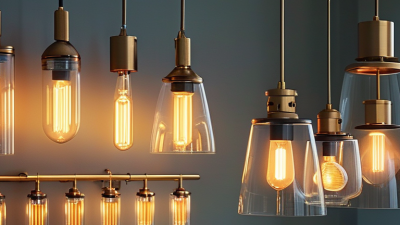
In 2026, a standout lighting fixture balances useful light, visual character, and flexible control. A sculptural pendant may catch the eye, but its beam should also reach the table without shining directly into anyone’s face. Check the fixture’s size against the room: a small shade can disappear above a long dining table, while an oversized one may crowd a low ceiling. Warm, adjustable light suits evenings; brighter, neutral light can help with cooking or detailed work. Look for dimming options and clear information about light output and color rendering. These details matter more than a dramatic product photo.
Tips: Test the light at home if possible. Notice glare from seated eye level, not just while standing. Use separate light sources for reading, general illumination, and display areas.
Materials and construction also help a fixture stand out. A well-finished metal shade, stable joints, and accessible components can make cleaning and upkeep less frustrating. Still, attractive materials do not guarantee good lighting. I have found that a fixture can look perfect in a showroom and feel too harsh in a smaller room. Consider ceiling height, wall color, and existing daylight before choosing. A restrained design with thoughtful light distribution may serve daily life better than the trendiest silhouette.
The main lighting fixture types for 2026 still begin with ambient light: flush-mount ceiling fixtures, chandeliers, and recessed downlights. Flush mounts spread soft light across low ceilings. A pendant creates a brighter pool above a kitchen island, while recessed fixtures keep sightlines uncluttered. The U.S. Department of Energy reports that LED lighting uses at least 75% less energy than incandescent lighting and can last up to 25 times longer. That makes efficient LED sources a practical baseline, not a guarantee of good lighting.
Task fixtures handle close work. Under-cabinet strips brighten a countertop, and adjustable desk lamps direct light onto paper without flooding the room. Wall sconces add softer, eye-level light in hallways or beside a bed. Track fixtures suit spaces where artwork or furniture changes; their heads can be redirected, though exposed tracks may look busy. Outdoor wall and path fixtures improve visibility around entrances and walkways. Small details matter.
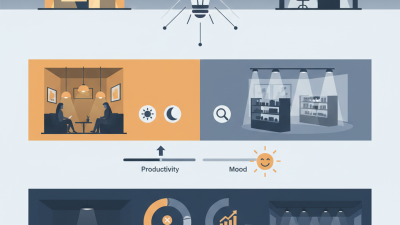
Controls and color temperature also shape fixture choices. Dimmable and tunable-white fixtures let one room shift from crisp daytime light to warmer evening light. The International Energy Agency estimates lighting accounts for about 15% of global electricity use, underscoring the value of efficient fixtures and controls. Still, a highly efficient fixture can disappoint if it creates glare or leaves dark corners. Check beam direction, dimmer compatibility, and replacement options before choosing.
Typical efficacy ranges for common LED fixture types
Bars show the midpoint of representative efficacy ranges, measured in lumens per watt (lm/W). Higher efficacy means more light output for the same amount of electricity. Actual performance varies with fixture design, optics, light output, and operating conditions.
In 2026, fixture design is shaped by efficient LEDs, responsive controls, and improved thermal management. Well-designed LED modules use less energy than many older light sources, while careful heat control helps maintain output over time. Look for smooth dimming and a stated color-rendering value, especially where food, fabric, or artwork should look natural. Tunable-white systems can shift from cooler task lighting to warmer evening light. Useful, not magic. Controls should suit the room: occupancy sensors work well in corridors, while daylight response can reduce output near bright windows. Poorly placed sensors may leave a desk dim or switch lights unexpectedly.
Connected fixtures can support schedules, remote adjustment, and room-by-room control, but connectivity is only useful when setup is straightforward. Check whether controls can be operated without a phone, and ask how fixtures handle network interruptions. That trade-off is easy to underestimate. For work areas, test a fixture at the actual desk height; glare on a screen can matter more than a specification sheet suggests. Consider replaceable drivers and accessible components, too. A fixture that is difficult to service may become wasteful even if its light source is efficient. Real rooms are imperfect, and lighting plans sometimes need adjustment after installation.
For 2026, compare lighting fixtures by the job they must do. A kitchen ceiling fixture should spread even light across counters, while a reading lamp needs a directed beam that avoids glare. Start with the task. Check brightness in lumens, then consider color temperature and dimming range. A fixture can look beautiful in a showroom but feel harsh over a work surface.
Efficiency deserves equal attention. The International Energy Agency’s Energy Efficiency 2023 report estimates that lighting uses about 15% of global electricity. The U.S. Department of Energy’s Energy Saver guidance says LED lighting uses at least 75% less energy than incandescent lighting and can last up to 25 times longer. Compare actual wattage and expected operating hours, not just the efficiency label. Controls such as dimmers and occupancy sensors can also reduce wasted light in rooms that are not used constantly.
Design affects comfort as much as appearance. Look for shades that hide the bulb from seated eye level, and check whether the fixture casts shadows where you work. Warm light may suit a bedroom; a more neutral tone can help with detailed tasks. Still, color temperature alone does not guarantee good color rendering. Check the fixture’s color-rendering information, and if possible, test a sample at home. Lighting choices are imperfect; room finishes can make the same fixture feel surprisingly different.
What Are the Top Lighting Fixtures for 2026?
Choosing the right fixture starts with how a room is used. In kitchens, combine bright, even ceiling light with focused task lighting over counters. Under-cabinet fixtures help illuminate chopping areas and reduce shadows from your body. Small details matter. Choose diffused covers to soften glare, especially on glossy countertops.
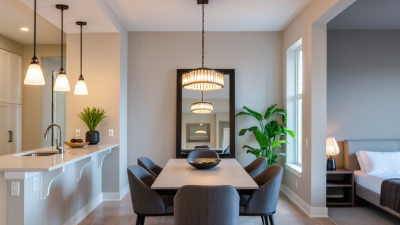
Dining areas benefit from a pendant or chandelier positioned above the table. Check its scale against the table, and hang it high enough to keep sightlines open. A dimmer makes it easier to shift from homework to dinner. In living rooms, layer a ceiling fixture with floor or table lamps. This gives you useful light for cleaning and softer pools of light for relaxing. It is easy to over-light this room; I have found that several moderate sources often feel more comfortable than one very bright fixture.
For bedrooms, bedside sconces or adjustable lamps keep reading light close without flooding the whole room. In bathrooms, pair a general ceiling fixture with vertical lights near the mirror, where they can reduce facial shadows. Look for fixtures rated for the room’s moisture conditions, and follow the installation instructions. Before buying, measure the space and check where wiring and furniture sit. A beautiful fixture can still disappoint if it blocks a cabinet door or shines directly into your eyes.
| Room or Purpose | Recommended Fixture | Primary Lighting Role | Typical Light Output | Useful Color Temperature | Selection and Placement Tips |
|---|---|---|---|---|---|
| Kitchen — general lighting | Recessed LED downlights or a surface-mounted ceiling fixture | Ambient illumination across the room | About 700–1,200 lumens per fixture; plan for room size and spacing | 3,000–4,000 K | Use several evenly distributed fixtures rather than relying on one bright point. Choose dimmable lights where compatible. |
| Kitchen — worktops and food preparation | Under-cabinet LED bars or linear fixtures | Task lighting that reduces shadows on counters | About 300–600 lumens per linear metre | 3,000–4,000 K | Position the light near the front of the cabinet underside and use a diffuser to limit glare. A high color-rendering index (CRI 90 or above) helps reveal food colors. |
| Dining area | Pendant light or chandelier | Focused light over the table and a visual centrepiece | About 1,500–3,000 lumens total, preferably dimmable | 2,700–3,000 K | Centre the fixture over the table. As a starting point, hang it about 75–90 cm above the tabletop, then adjust for ceiling height and sightlines. |
| Living room — flexible ambient light | Floor lamp with an uplight or shaded diffuser | Soft, adjustable illumination for relaxing and conversation | About 800–1,800 lumens | 2,700–3,000 K | Use alongside other light sources for more even coverage. Choose a stable base and a shade that conceals the lamp from seated eye level. |
| Living room — reading | Adjustable floor lamp or swing-arm wall light | Directed task lighting | About 450–800 lumens | 2,700–3,500 K | Place the light beside or slightly behind the reader, aiming it at the page rather than directly at the eyes. An adjustable head improves control. |
| Bedroom — general lighting | Flush-mount or semi-flush ceiling fixture | Even ambient light, especially in rooms with low ceilings | About 1,500–3,000 lumens total, adjusted to room size | 2,700–3,000 K | Look for a diffused shade and dimming capability. Layer the ceiling light with bedside fixtures instead of using it for every activity. |
| Bedroom — bedside reading | Table lamp, wall sconce, or pendant beside the bed | Reading and low-level evening light | About 400–800 lumens per side | 2,200–3,000 K | Choose a shade or adjustable head that keeps the light out of a partner’s direct line of sight. Put switches within easy reach. |
| Bathroom — mirror and vanity | Vertical wall lights on both sides of the mirror, or a wide vanity light | Even face illumination for grooming | About 700–1,200 lumens total at the mirror | 3,000–4,000 K | Side lighting near face height helps reduce harsh shadows. Select fixtures with an appropriate damp- or wet-location rating for their installation position. |
| Home office — desk tasks | Adjustable desk lamp with a shielded head | Focused task lighting for reading and writing | About 400–800 lumens; aim for roughly 300–500 lux on the work surface | 3,000–4,000 K | Position the lamp to avoid screen reflections; for most right-handed users, placing it on the left can reduce hand shadows, and vice versa. |
| Hallway or entry | Flush-mount ceiling light or evenly spaced recessed downlights | Safe circulation and welcoming ambient light | About 400–800 lumens per fixture, depending on spacing | 2,700–3,500 K | Keep illumination consistent along the route. In a narrow hallway, compact fixtures help preserve headroom and reduce visual clutter. |
| Stairs and landings | Wall sconces or low-glare ceiling fixtures | Visibility of steps, edges, and changes in level | About 300–700 lumens per fixture, depending on layout | 2,700–3,500 K | Prioritize even, glare-controlled light. Place fixtures so they illuminate stair treads without creating strong shadows or obstructing movement. |
| Covered outdoor entrance | Outdoor wall lantern or ceiling fixture | Entry visibility and approach lighting | About 600–1,200 lumens per fixture | 2,700–3,500 K | Check the fixture’s wet- or damp-location rating against its exposure. Use a shielded design to reduce glare and light spill toward neighbours. |
| Planning note: Lumens describe light output, but the amount of light reaching a surface also depends on room size, ceiling height, fixture distribution, finishes, and shade design. Treat the figures above as starting ranges, layer ambient, task, and accent lighting where practical, and follow local electrical and installation requirements. | |||||